
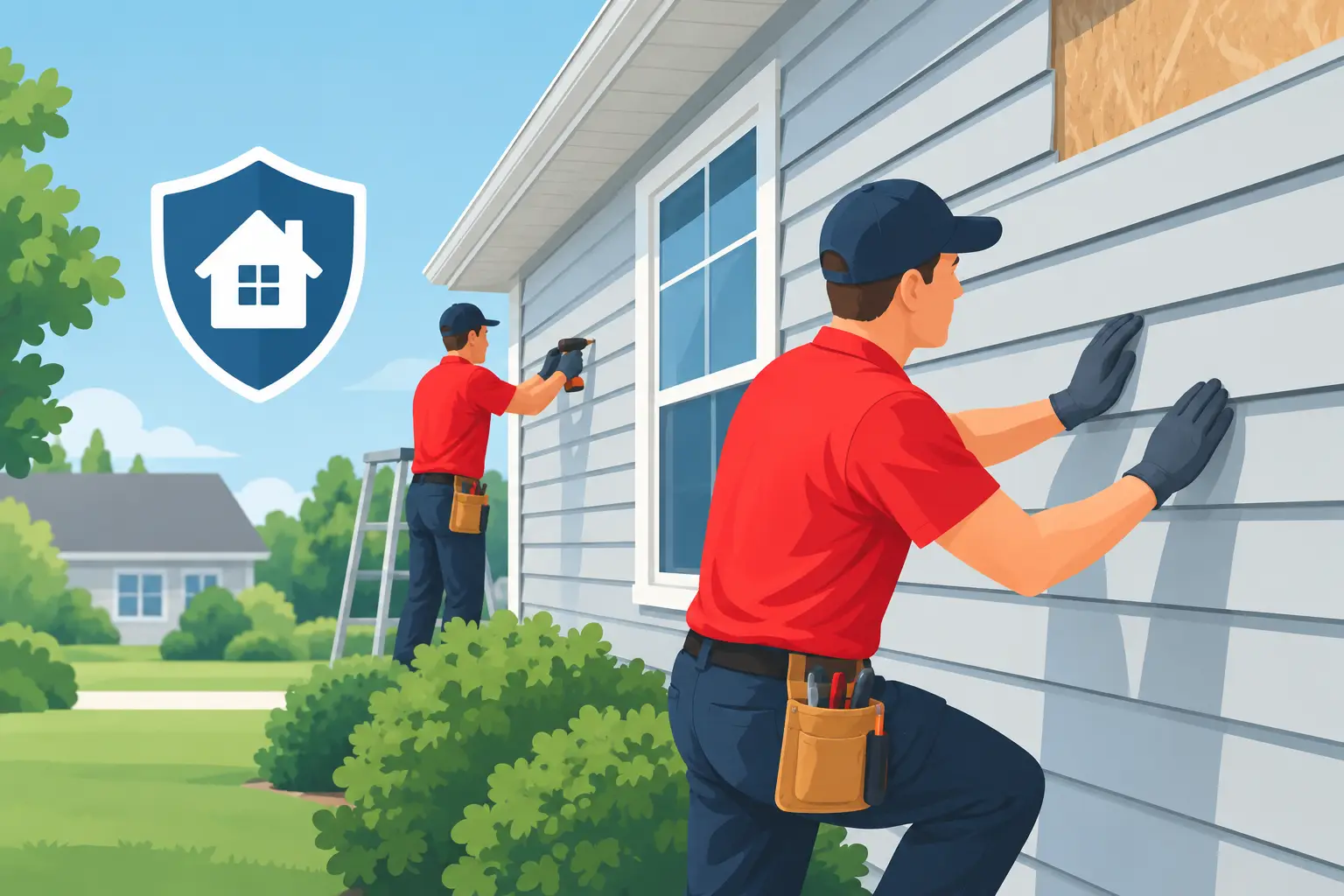
A loose panel near a window or a crack along the bottom edge of your siding can look like a small cosmetic problem. In East Tennessee, it can quickly become a pathway for wind-driven rain, insects, and moisture behind the exterior wall. Timely Concord siding repair helps protect the structure of your home before a visible flaw turns into a larger repair project.
Siding has an important job beyond curb appeal. It shields your home’s sheathing and framing from the weather while helping keep unwanted moisture and pests outside. When damage is caught early, a targeted repair can often restore that protection without disturbing the rest of the exterior.
When Concord Siding Repair Should Not Wait
Some siding problems are obvious after a storm, fallen limb, or impact from yard equipment. Others develop gradually from years of sun exposure, moisture, and seasonal temperature changes. The key is knowing which signs call for prompt attention.
Cracked, split, warped, or missing sections should be repaired soon, especially when the damage exposes an edge, seam, or area around a window or door. Vinyl siding can become brittle over time, while wood siding may swell, crack, or decay when moisture gets into the material. Fiber cement and engineered wood products are durable, but they can still be damaged by impact, failed caulking, or water intrusion at joints.
You may also notice siding that appears loose, bowed, or uneven. A panel can sometimes shift because of improper fastening or natural expansion and contraction. But if several sections are loose, or if the issue is concentrated near a roofline, corner, window, or foundation, it is worth having the area inspected. Those locations often depend on properly installed flashing and trim to direct water away from the wall.
Inside the home, peeling paint, a musty smell near an exterior wall, or staining around a window may point to moisture getting past the siding system. These symptoms do not always mean the siding is the source, but they should not be ignored. Finding the entry point matters more than simply covering the visible damage.
What a Proper Siding Repair Involves
Effective siding repair starts with identifying why the material failed. Replacing a cracked piece without addressing the source of water or movement may make the exterior look better for a while, but it does not solve the underlying issue.
A careful repair may involve removing damaged panels or boards, checking the sheathing behind them, and looking for soft wood, staining, gaps, or signs of pest activity. If the wall behind the siding is dry and sound, the work may be limited to replacing the affected material and securing it correctly. If moisture has reached the sheathing or trim, those components may need repair before the new siding is installed.
The replacement material must also fit the existing siding profile and be installed with room for normal movement. Vinyl siding, for example, should not be nailed tightly against the wall. It needs space to expand and contract as temperatures change. Wood products need properly sealed edges and a finished surface that resists moisture. Details like these are what help a repair last through Knoxville-area rain, humidity, and changing seasons.
Matching color can be another consideration. Older siding may have faded from sunlight, so a new panel or board can look slightly different at first. A skilled repair approach places matching material thoughtfully and focuses on a clean, secure result. Sometimes a small section needs to be replaced rather than a single piece to create a more consistent appearance.
Do Not Overlook Caulk, Trim, and Flashing
Siding works as part of a system. Trim boards, caulked joints, house wrap, flashing, and exterior fixtures all help manage water. Damage around a hose bib, electrical box, vent, exterior light, or window can be especially vulnerable because those penetrations create breaks in the wall covering.
Caulk is helpful where it belongs, but it is not a substitute for proper flashing or a sound repair. Applying more caulk over a deteriorated joint may temporarily hide a gap while trapping moisture or masking rot underneath. The right solution depends on the siding type, the location of the damage, and how water moves across that section of the home.
Common Causes of Siding Damage Around Concord
Weather is a regular factor in exterior wear. Heavy rain can expose weak seams, while strong wind can loosen already compromised panels. Hail and wind-blown debris may crack vinyl, dent aluminum, chip fiber cement, or damage painted surfaces.
Moisture is another common culprit. Gutters that overflow, downspouts that discharge too close to the home, and roof runoff that repeatedly hits the same wall can shorten the life of siding and trim. Vegetation can contribute as well. Shrubs or vines pressed against the exterior hold moisture against the wall and make it harder to spot developing damage.
Occasionally, the issue is related to installation or an earlier repair. Missing fasteners, improperly sealed edges, damaged house wrap, or panels installed too tightly can lead to trouble over time. A professional assessment helps separate surface wear from a repair that needs more investigation.
Can You Repair Siding Yourself?
For a homeowner with the right tools and experience, a very small and clearly isolated repair may be manageable. Reattaching a single loose vinyl panel, for example, can be straightforward when no material is cracked and there is no sign of water behind it.
The trade-off is that siding can be easy to damage during removal, and hidden issues are difficult to evaluate from the surface. Improper fasteners, poorly matched replacement pieces, missing flashing, or sealed drainage paths can create new problems. Repairs near windows, doors, roof intersections, second-story walls, or visibly soft trim are better handled by an experienced professional.
It is also wise to call for help after storm damage, even if the siding appears mostly intact. Small cracks and loosened joints can be easy to miss, particularly on upper walls or behind landscaping. A prompt inspection gives you a clearer picture of what needs attention and what can simply be monitored.
Protect Your Siding Between Repairs
A little routine maintenance makes future problems easier to catch. Walk around your home a few times each year and look for gaps, cracks, loose pieces, peeling finish, or changes around trim. Check after severe weather and pay close attention to areas beneath roof valleys, near gutters, and around windows.
Keep gutters clear and make sure downspouts direct water away from the foundation and exterior walls. Trim branches that rub against the siding, and leave some space between shrubs and the house so the wall can dry after rain. If you wash the exterior, use a gentle method appropriate for the siding material. High-pressure washing can force water behind siding or damage finishes when used incorrectly.
For wood siding and trim, maintain the paint or protective coating before it fails. Paint is not only about appearance. A sound finish helps limit moisture absorption and makes early deterioration easier to spot.
Get Reliable Help for Exterior Repairs
Siding repairs are most successful when they address both the visible damage and the reason it happened. Whether you have a cracked panel after a storm, deteriorating trim near a window, or a section of siding that has started to pull away, professional attention can protect your home and prevent unnecessary disruption later.
Smart Home Fix provides dependable residential repair help for homeowners in Concord and the surrounding Knoxville area. As licensed and insured local professionals, we focus on practical workmanship and clear solutions that make home maintenance easier. A small exterior issue is worth addressing while it is still small – your siding is there to protect the home you have worked hard to maintain.