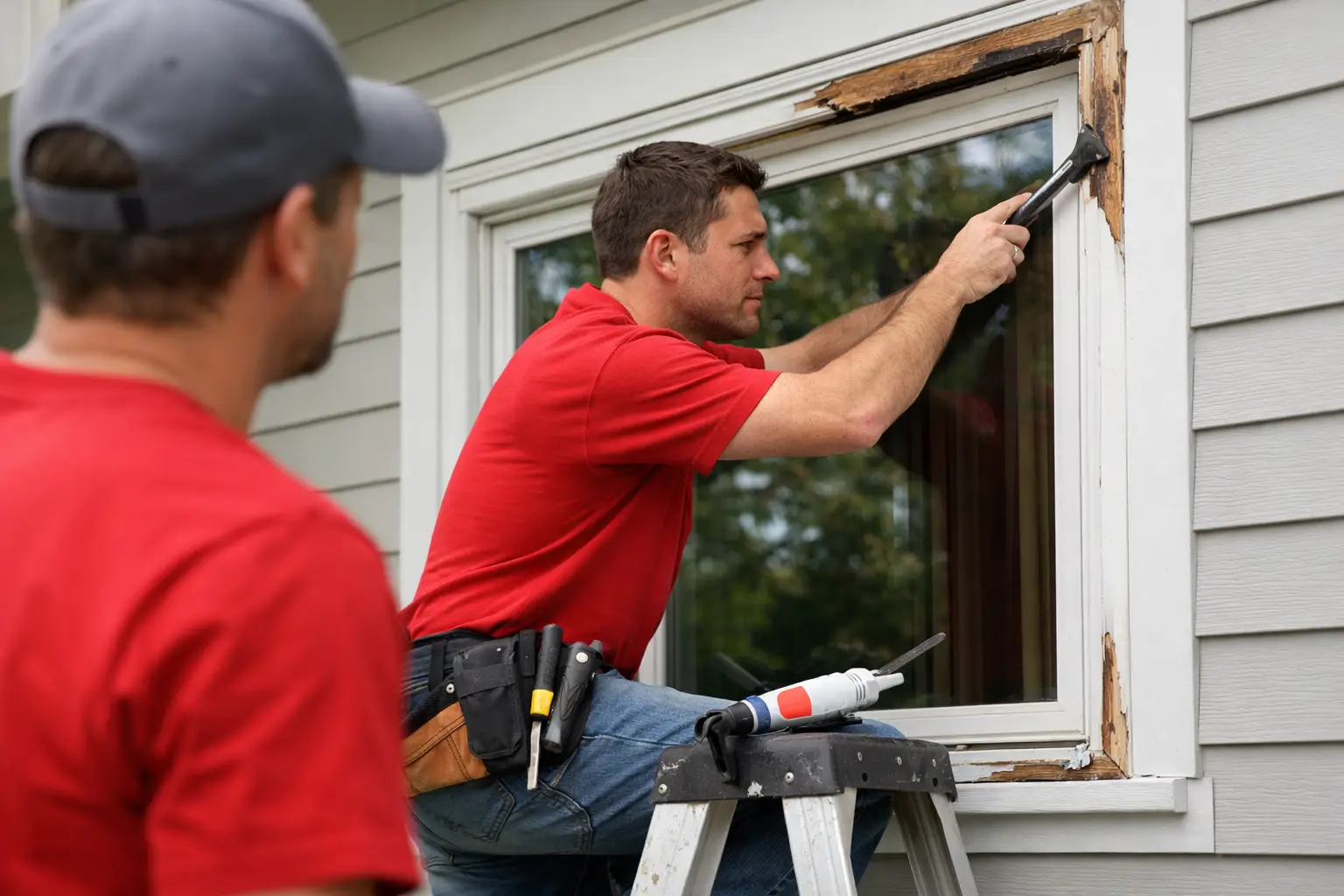
That peeling paint around your window is easy to ignore until the trim feels soft, the caulk starts pulling away, or you notice staining inside. A window trim repair service helps homeowners fix these early signs before they turn into moisture damage, draft problems, or a larger exterior repair.
Window trim does more than frame the view. It protects vulnerable edges around the window, helps block out water and air, and gives the exterior a finished, well-kept look. When trim starts to fail, the issue is not always cosmetic. In many cases, damaged trim is the first visible clue that moisture is getting where it should not.
What window trim damage usually means
Exterior trim sits in a tough spot. It takes direct sun, wind, rain, humidity, and seasonal temperature swings year after year. In East Tennessee, that mix can be especially hard on painted wood and older caulk lines. Even newer homes can develop trouble if water is allowed to sit near window corners or behind loose trim boards.
Sometimes the damage is limited to surface wear. Paint may flake, a joint may open slightly, or a section of caulk may shrink. That kind of repair is usually straightforward if it is handled early. Other times, visible trim damage points to deeper deterioration in the board itself or at the area where the trim meets the siding or window frame.
The key difference is whether the trim is still sound. If it is firm, properly attached, and only showing minor finish failure, repair may be simple. If it feels spongy, crumbles under light pressure, or has obvious rot at the bottom corners, the repair needs to go beyond paint and caulk.
Signs you need a window trim repair service
Most homeowners do not inspect window trim closely until something looks noticeably off. By then, the damage may have been developing for a while. A few warning signs deserve attention sooner rather than later.
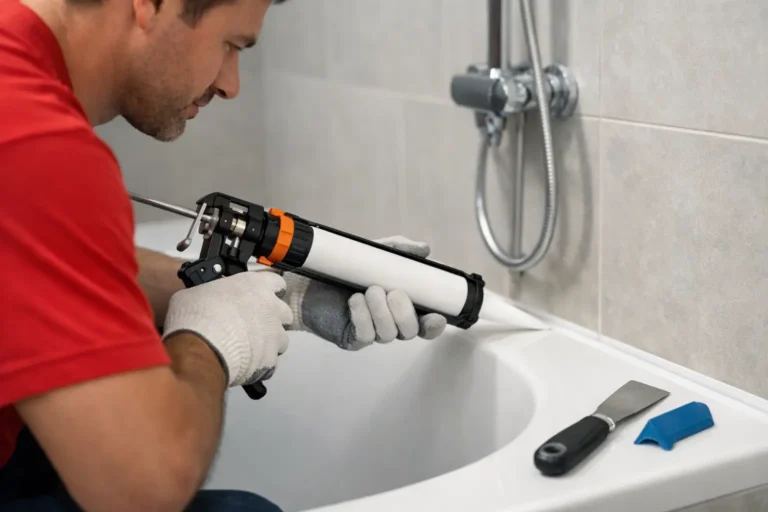
Cracked or separated caulk is one of the first. Caulk is a small detail, but it matters. When those joints open up, water can work behind the trim and stay trapped. The trim may still look mostly intact from a distance while moisture slowly weakens it.
Peeling paint is another common clue. Paint fails for normal reasons over time, but repeated peeling in the same area often means moisture is present. If the trim was repainted and the problem came back quickly, that is a sign the root issue was not addressed.
Soft wood, dark staining, and visible rot are more serious. Lower sections of trim are especially vulnerable because water tends to collect there. If a screwdriver presses easily into the board, it is time to stop treating it as a paint issue and start treating it as material failure.
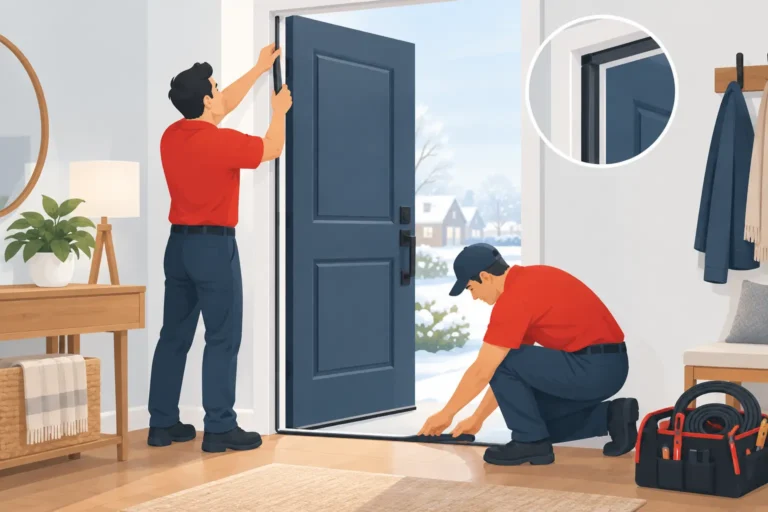
You may also notice drafts near the window, slight gaps where trim has pulled away, or interior signs like staining on adjacent drywall. Those symptoms do not always mean the window itself is bad. Sometimes the weak point is the surrounding trim and sealant.
Repair or replace? It depends on the damage
A good window trim repair service does not treat every problem the same way. Some windows need basic repairs and fresh sealing. Others need sections of trim removed and replaced so the assembly can protect the home properly again.
Repair makes sense when the damage is localized and the surrounding materials are still solid. That may mean removing a small rotted section, installing new material where needed, resealing joints, and repainting for a clean finish. This approach preserves what still works and avoids unnecessary work.
Replacement is often the better option when rot has spread across multiple boards, when trim has warped badly, or when water has affected adjoining materials. If a repair only covers the visible damage but leaves weakened areas in place, the same problem tends to return. In that case, replacement is the more durable choice.
There is also a middle ground. Sometimes only the bottom trim board or one side casing is compromised while the rest remains in good shape. Spot replacement can be the smartest solution because it addresses the failure without overbuilding the project.
Why this is not just a cosmetic fix
Trim damage often starts small, which is why many homeowners put it on the back burner. The trouble is that window areas are natural entry points for water. Once moisture gets behind deteriorated trim, the repair can expand beyond the board you can see.
That is where problems become more disruptive. Hidden moisture can affect sheathing, framing, paint adhesion, and interior finishes. It can also invite insects into softened wood. What began as a minor exterior repair can eventually involve more labor, more materials, and more interruption to your routine.
There is also the comfort factor. Gaps around window trim can contribute to air leakage, especially in older homes. That may not be the biggest source of energy loss in a house, but it still matters. Tight, well-sealed trim helps the window assembly perform the way it should.
Curb appeal matters too, especially if you take pride in your home or plan to sell in the future. Worn, rotting trim gives the impression that maintenance has been deferred, even when the rest of the property is in good shape. Clean, properly repaired trim makes the whole exterior look cared for.
What to expect from a professional window trim repair service
A professional approach starts with determining how far the damage goes. That means looking beyond the paint surface and checking whether the board is still sound, whether joints are sealed properly, and whether nearby materials show signs of water intrusion.
From there, the repair should match the actual condition. That may include removing failed caulk, replacing damaged trim sections, fastening loose boards securely, sealing joints, and preparing the surface for paint. If the surrounding area shows signs of moisture exposure, the repair should address that too rather than simply cover it up.
Good workmanship matters here because trim repair is as much about protection as appearance. Boards need to fit correctly, joints need to be sealed carefully, and the finished surface needs to hold up to weather. A rushed patch can look acceptable for a short time but fail again after the next wet season.
Working with a licensed and insured professional also gives homeowners peace of mind. Window areas are detail-oriented, and small mistakes can lead to recurring problems. Having the work handled by an experienced local team helps reduce that risk and makes the process easier from start to finish.
Window trim repair service for older homes and busy homeowners
Older homes often have more character around windows, but they can also have more vulnerable trim details. Thicker profiles, layered casing, and years of repainting can hide soft spots until the damage becomes obvious. In those homes, careful repair matters because the goal is not just to patch the area, but to restore function while keeping the finished look consistent.
For busy homeowners, the bigger value is often convenience. Window trim repair tends to sit in the category of jobs that are too important to ignore but easy to postpone. It may require exterior ladder work, material matching, surface prep, and weather-aware timing. That is exactly the kind of project many homeowners would rather hand off to a trusted local expert.
In Knoxville and nearby communities, seasonal moisture and changing temperatures can put extra stress on exterior finishes. Staying ahead of trim issues can help prevent a simple maintenance item from becoming a broader exterior repair.
How to know it is time to schedule the repair
If the trim is cracked, soft, separating, or repeatedly showing paint failure, it is time to have it looked at. You do not need to wait until the board is falling apart. In fact, earlier is usually better because it gives you more repair options and helps contain the issue.
This is especially true if the damage is at lower corners, under sills, or anywhere water naturally lingers. Those areas do not usually improve on their own. They tend to worsen slowly, then all at once.
A dependable handyman or repair professional can tell you whether the issue is mostly cosmetic, structurally limited to the trim, or part of a larger moisture problem. That clarity matters. It helps you make the right repair at the right time instead of guessing and hoping a fresh coat of paint will solve it.
If your windows are showing wear around the edges, treat that as a prompt, not a panic. Timely repair protects your home, preserves the look of the exterior, and saves you from chasing a bigger problem later. That is the smarter way to handle home maintenance.