A bathroom can look tired long before it actually stops working. That is why so many homeowners start with the shower. In this shower wall panel review, the real question is not just whether panels look good on day one. It is whether they still feel like a smart choice after daily use, regular cleaning, and a few years of real life.
Shower wall panels have become a popular alternative to traditional tile, and the reason is simple. Most homeowners want a clean, updated shower without adding more grout lines, more maintenance, or more chances for leaks. Panels promise a faster path to a fresh bathroom, but the results depend heavily on the material, the installation, and what you expect from the finished space.
Shower wall panel review: what matters most
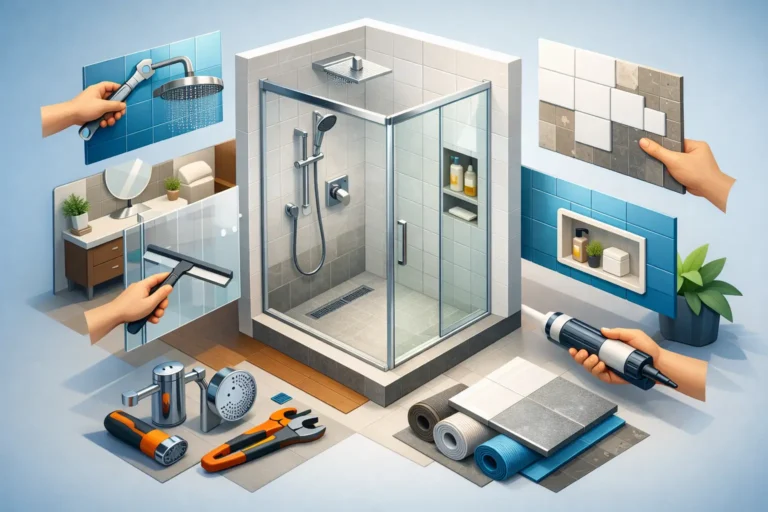
If you strip away the marketing language, most shower wall panel decisions come down to four things: appearance, water resistance, maintenance, and installation quality. A panel can look excellent in a showroom and still be the wrong fit for a busy family bathroom. On the other hand, a simpler panel system can be the better long-term choice if your priority is easy upkeep and dependable performance.
For many homeowners, the biggest advantage is the reduction in grout. Tile can be beautiful, but grout joints need attention. They can discolor, crack, or trap moisture if maintenance slips. Shower wall panels reduce those problem areas. That alone makes them appealing for primary bathrooms, guest baths, and aging-in-place updates where easier cleaning matters.
The trade-off is that not every panel system has the same finish quality or visual depth. Some look polished and high-end. Others can read more like a quick remodel shortcut. That does not make them bad products. It just means the best option depends on the look you want and how much wear the shower will see.
The main types of shower wall panels
There is no single panel product that works best for every bathroom. Material makes a major difference.
Acrylic and fiberglass panels
These are common because they are lightweight, water resistant, and relatively straightforward to install. They tend to work well when the goal is a practical, low-maintenance surround. They are especially appealing for secondary bathrooms or projects where simplicity is the priority.
The downside is that some acrylic and fiberglass options can feel less substantial than heavier materials. Lower-end products may scratch more easily or show wear sooner. Appearance also varies a lot. Some look clean and modern, while others can feel builder-grade.
PVC composite panels
PVC-based panels are often chosen for their water resistance and relatively easy maintenance. They usually come in a range of colors and patterns, including styles that mimic tile or stone. For homeowners who want a fresh look without committing to real tile, this category can make sense.
The main caution here is finish quality. Some printed designs look convincing from a distance but less so up close. In a smaller bathroom where every surface is visible, that matters.
Solid surface panels
Solid surface products generally sit higher in perceived quality. They have more weight, a more refined finish, and often a cleaner, more custom appearance. They are a strong option when you want durability and a more upscale result without dealing with grout-heavy tile work.
They do require careful handling and proper installation. If the walls are out of plane or the seams are poorly managed, the final result will not look nearly as good as it should.
Laminate-style wall panels
Some newer systems use a layered construction with decorative finishes designed to replicate stone, concrete, or tile. These can create a stylish look with fewer installation headaches than traditional tile.
Their performance depends on product quality and how well edges and seams are sealed. In a shower, details matter. A panel system is only as good as its weakest joint.
Where shower wall panels perform well
A good shower wall panel system performs best when the homeowner values convenience and consistency. If you want a surface that wipes down quickly and does not ask for much attention, panels are hard to ignore. They are especially useful in homes where the bathroom gets heavy daily use and no one wants to spend weekends scrubbing grout.
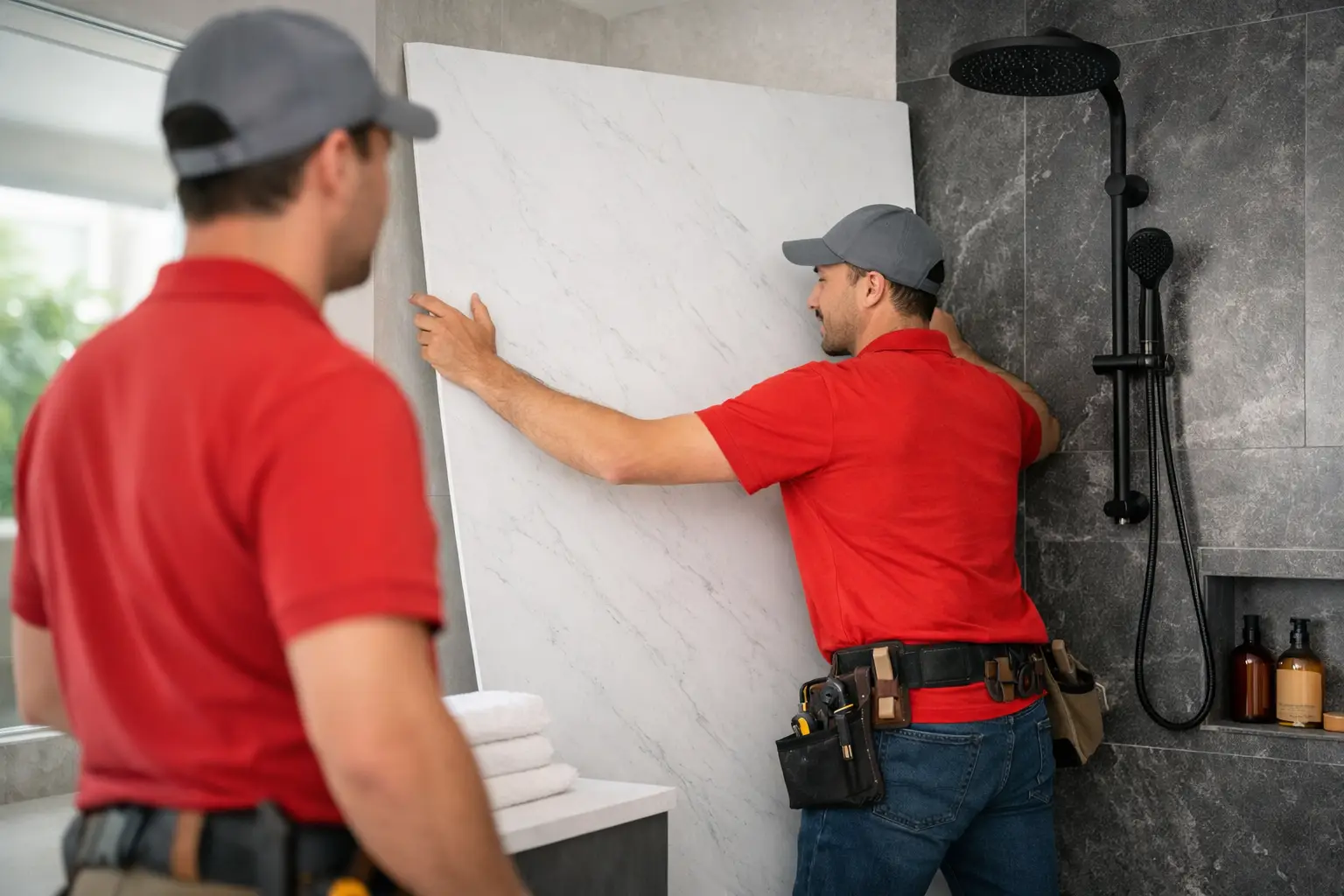
They also work well in remodels where speed and reduced disruption matter. A well-planned panel installation can often move more efficiently than a full tile job. That can make life easier for busy households that want the bathroom back in service sooner.
Another strong use case is accessibility. Panels can pair well with low-threshold showers and practical bathroom upgrades because they create a cleaner, simpler enclosure with fewer maintenance points. For older homeowners or families planning for long-term comfort, that is a real advantage.
Where panels may fall short
A fair shower wall panel review should also acknowledge where panels are not the perfect answer. If your top priority is a fully custom look with intricate patterns, niche detailing, or a handcrafted finish, tile still offers more design flexibility. Panels are cleaner and simpler, but sometimes that simplicity is exactly what a design-focused homeowner does not want.
Repair can also be more complicated in some cases. With tile, a single damaged tile may be replaceable. With panels, damage to one section can mean a larger repair process depending on the system. That is not always a dealbreaker, but it is worth understanding upfront.
There is also the issue of wall prep. Panels are often sold as an easy solution, but they still need a sound, properly prepared substrate. If the underlying walls are uneven, soft, or moisture-damaged, the install can fail no matter how good the panel material is. This is one of those areas where professional workmanship matters more than homeowners sometimes expect.
Installation quality changes everything
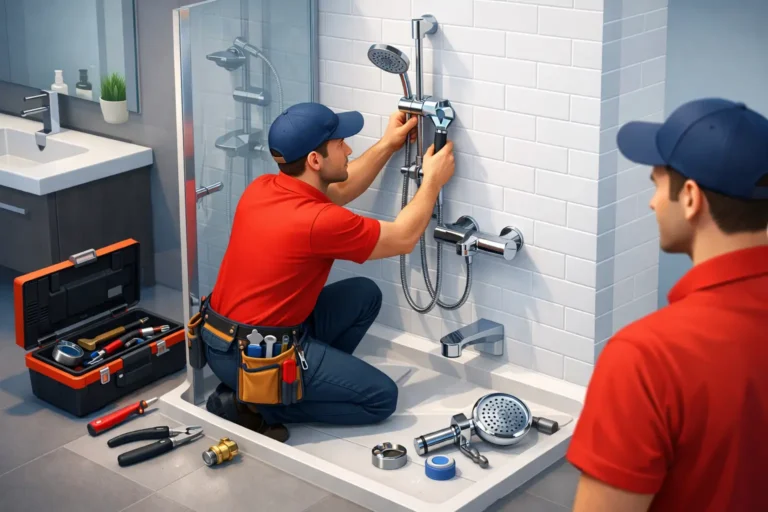
This is where many shower projects go right or wrong. A panel system may be marketed as simple, but shower areas are wet zones. Corners, seams, transitions, plumbing cutouts, and edge details all need to be handled correctly.
A panel that is slightly out of alignment, poorly sealed, or installed over a compromised surface can create problems that stay hidden until water gets where it should not. By then, the wall covering is no longer the only issue. The framing and substrate may be at risk too.
That is why homeowners often benefit from treating shower panels as a finish system, not just a wall covering. The visible surface is only part of the job. The substrate, waterproofing approach, and fit around fixtures all matter. Licensed and insured professionals bring value here because the installation is not just about appearance. It is about protecting the bathroom behind the finished surface.
How they compare to tile in everyday life
Tile usually wins on design variety and classic appeal. It has a long track record, and when installed well, it can be beautiful for years. But tile asks more from the homeowner. Cleaning grout, watching for cracks, and maintaining caulk lines are part of the deal.
Panels usually win on ease. They offer a smoother surface, faster cleanup, and fewer joints to monitor. For a family trying to reduce maintenance, that can be the smarter move. The trade-off is that panels may not deliver the same level of custom detail or visual texture that some homeowners associate with a high-end shower.
So which is better? It depends on whether you are designing around style flexibility or practical upkeep. Neither answer is wrong. It is really a matter of priorities.
Who should seriously consider shower wall panels
If you want a bathroom that feels updated without adding more maintenance, shower wall panels deserve a close look. They are a strong fit for homeowners who value function, clean lines, and easier cleaning. They also make sense when you want a dependable remodel result without turning the shower into a high-maintenance feature.
In homes around Knoxville, that often means primary bathrooms used every day, guest baths that need a fresh upgrade, or practical remodels for homeowners who want comfort and reliability over unnecessary complexity. That is where a well-chosen panel system can really prove itself.
Final take on this shower wall panel review
Shower wall panels are not a shortcut in the bad sense of the word. When chosen carefully and installed correctly, they can be a smart, durable, and low-maintenance solution for real homes. The best results come when the product matches the space, the design expectations are realistic, and the installation is handled with care.
If your goal is a shower that looks clean, works hard, and makes daily upkeep easier, panels are worth serious consideration. The smartest upgrade is usually the one that still feels like a good decision long after the remodel dust settles.