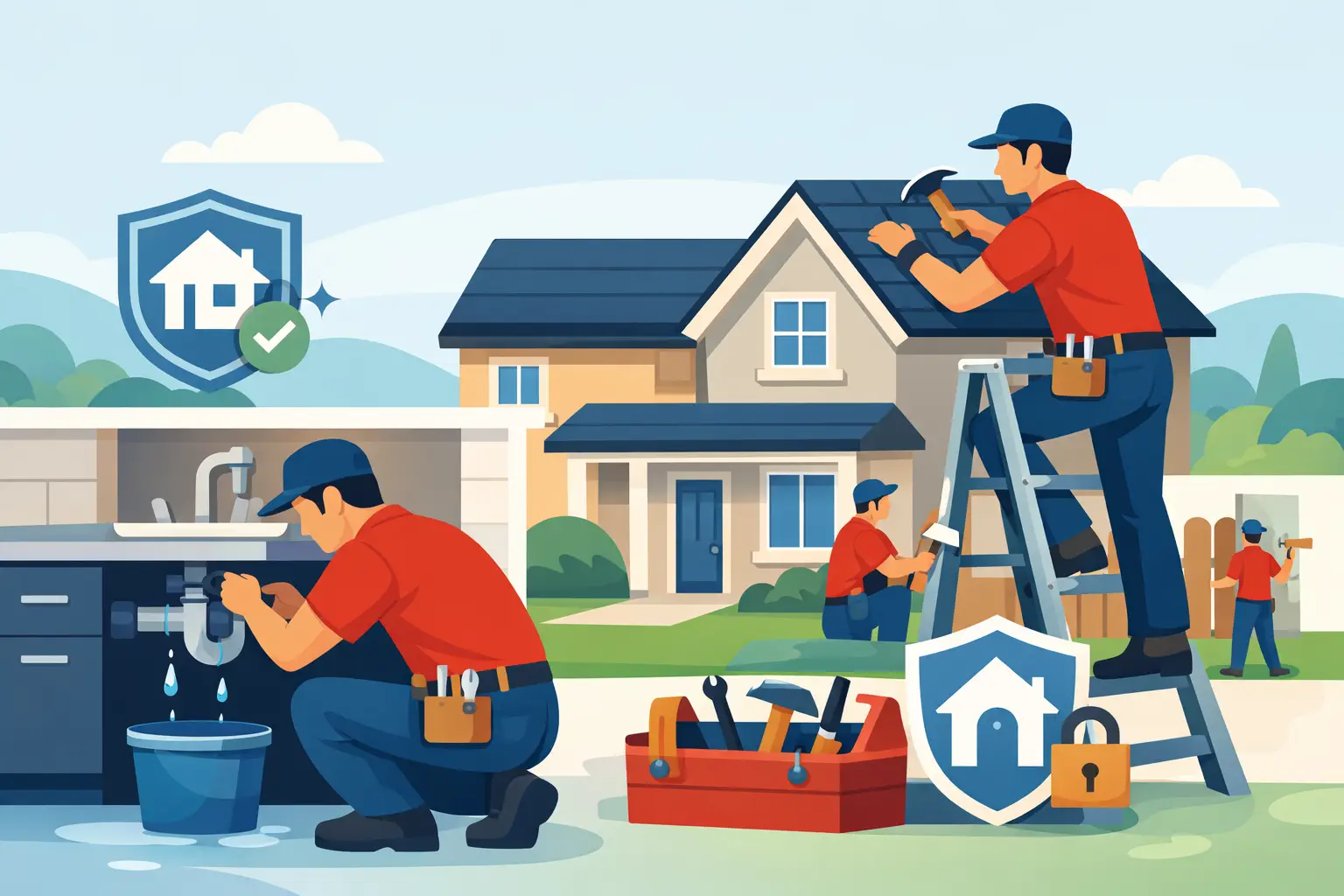
A leaking supply line under a bathroom sink can turn from a small service call into damaged flooring, swollen baseboards, and an unhappy tenant in a matter of hours. That is why Oak Ridge rental repairs should be handled with a clear plan, prompt communication, and workmanship built to last.
For rental property owners, repairs are not just another item on a to-do list. They protect the condition of the home, support tenant comfort, and help prevent minor issues from becoming disruptive projects. The right approach balances urgency with sound judgment: respond quickly to issues affecting safety or basic function, then use routine maintenance to reduce the number of unexpected calls later.
What Should Be Addressed First in a Rental Home?
The first question is not whether a repair is inconvenient. It is whether the issue threatens safety, causes active damage, or makes part of the home unusable. Water leaks, electrical concerns, broken exterior doors or locks, heating and cooling problems, and damaged handrails deserve fast attention. These problems can affect a tenant’s daily life and often get worse when left alone.
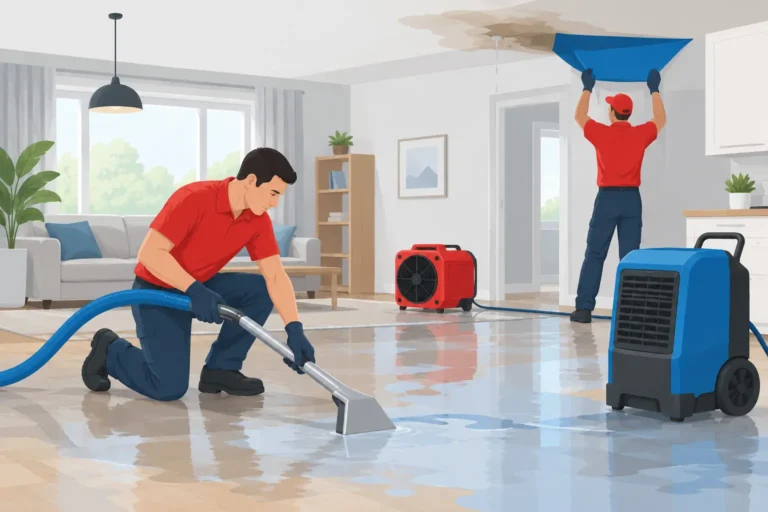
Water is especially unforgiving. A slow drip behind a vanity, a loose toilet, deteriorated caulk around a tub, or water entering around a window may look manageable at first. Over time, however, moisture can damage drywall, flooring, trim, and framing. Addressing the source early is usually simpler than repairing the materials affected by the leak.
Safety-related repairs need the same urgency. Loose porch steps, unstable railings, damaged deck boards, malfunctioning smoke or carbon monoxide alarms, and doors that do not lock properly should move to the front of the line. Requirements can vary by property and situation, so owners should make sure their homes meet applicable local and state standards. A qualified professional can help identify visible maintenance concerns, but legal compliance questions may call for guidance from the appropriate local authority.
Oak Ridge Rental Repairs That Prevent Bigger Problems
The most valuable repairs are often the ones tenants do not see once the work is complete. A properly secured handrail, repaired shutoff valve, sealed exterior penetration, or adjusted door may not be a dramatic upgrade, but each one helps preserve the home and reduces future disruption.
Exterior maintenance is a smart place to focus. Oak Ridge homes experience humid summers, seasonal rain, and temperature changes that can expose weak points around siding, trim, windows, and doors. Peeling exterior caulk, rotted fascia, loose gutters, and gaps around utility lines can allow moisture and pests into areas where damage is harder to spot.
Inside, bathrooms and kitchens deserve regular attention because they combine water, frequent use, and multiple moving parts. Watch for loose cabinet hinges, deteriorated grout or caulk, slow drains, dripping faucets, loose towel bars, and soft flooring near fixtures. Small corrections in these rooms can help preserve finishes and make the property feel cared for.
Doors and windows also have an outsized impact on a rental home’s condition. A sticking door can lead to damaged trim or frustrated tenants. A window that will not latch may create a security concern, while worn weatherstripping can contribute to drafts and higher utility use. These are practical repairs that improve everyday function without requiring a major renovation.
Repair Now, Improve Later
Not every issue needs to become a full replacement project. If a cabinet door is loose, a targeted repair may be the right answer. If moisture has repeatedly damaged the cabinet base, flooring, or surrounding wall, a more substantial correction may make better long-term sense.
That distinction matters for rental owners. A quick patch can be appropriate when the underlying component is sound and the repair is durable. It is less helpful when it only hides recurring water intrusion, structural deterioration, or a worn-out fixture. Good repair decisions start with finding the cause, not just covering the symptom.
A Better Process for Tenant Repair Requests
Clear communication helps protect both the property and the tenant relationship. Encourage tenants to report issues as soon as they notice them, especially leaks, unusual odors, electrical problems, or changes in how doors, appliances, and fixtures operate. Waiting for a routine inspection can turn a simple repair into a larger restoration job.
When a request comes in, gather the details that help determine urgency. Ask where the issue is located, when it started, whether it is getting worse, and whether there is active water, a loss of power, or a safety concern. Photos can be useful for planning, but they should not replace an on-site evaluation when there is a potential hazard or hidden damage.
It also helps to document completed work. Keep a record of the reported issue, the repair performed, and any recommended follow-up. Consistent records make it easier to spot repeat problems, plan maintenance between tenancies, and understand the history of the property. They also provide a more organized experience for tenants who want reassurance that concerns have been addressed.
For occupied homes, scheduling matters as much as the repair itself. Give tenants reasonable notice when appropriate, explain the scope of the visit, and keep the work area as clean and contained as possible. Reliable service is not only about fixing what is broken. It is about minimizing disruption while treating the home and its residents with respect.
Use Turnovers to Catch Deferred Maintenance
A vacancy is one of the best opportunities to inspect areas that are easy to overlook during an occupied tenancy. Rather than focusing only on paint and cleaning, use the turnover period to evaluate the home’s working systems and high-use surfaces.
Check doors for proper latching and alignment, test windows and screens, look under sinks for signs of moisture, inspect caulk around tubs and showers, and make sure handrails, closet hardware, blinds, and outlet covers are secure. Review the condition of flooring transitions, baseboards, trim, and exterior steps. These details affect how the property shows, but more importantly, they can reveal underlying wear before a new tenant moves in.
Turnovers are also a practical time for targeted improvements. Replacing worn weatherstripping, repairing damaged drywall, updating failing fixtures, and addressing old caulk can make the home easier to maintain through the next lease term. The goal is not to replace every imperfect item. It is to correct the items most likely to fail, create damage, or generate avoidable service calls.
Know When to Bring in a Professional
Some tasks are appropriate for an experienced handyman, while others require specialized licensed trades or a broader renovation plan. The right choice depends on the scope of the work, the condition of the property, and whether systems such as electrical, plumbing, or structural components are involved.
For many common needs, a dependable local repair professional can handle a range of items in one visit: drywall repairs, door adjustments, trim replacement, minor carpentry, fixture updates, caulking, deck and railing repairs, and punch-list work between tenants. This can be far easier than coordinating several separate appointments for smaller jobs.
For more involved repair and improvement projects, look for a provider who is licensed and insured and who communicates clearly about the work being performed. Smart Home Fix serves Oak Ridge and the greater Knoxville area with practical residential repair support designed to make property maintenance easier for owners. A professional assessment can help separate a simple repair from an issue that needs a more complete solution.
Build Maintenance Into Your Rental Strategy
The best time to plan a repair is before it becomes an emergency. Seasonal walk-throughs can help owners identify loose exterior components, failing caulk, drainage concerns, damaged screens, worn hardware, and early signs of water intrusion. Even a short inspection schedule can reduce the chance that a small issue stays hidden for months.
There is no way to eliminate every repair request from a rental property. Homes are used every day, materials age, and unexpected problems happen. But responsive repairs, careful documentation, and routine maintenance create a property that is easier to manage and more comfortable to live in. Start with the issue in front of you, fix it correctly, and let each repair strengthen the home for the next season.