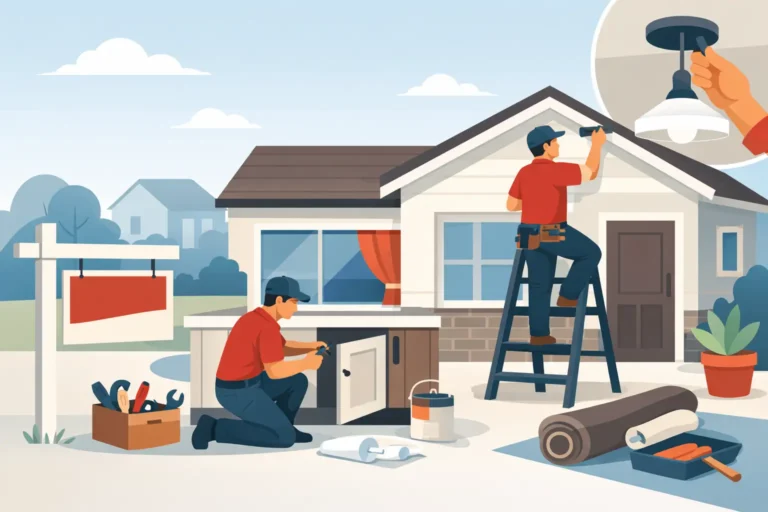

A loose gutter after a hard summer storm, a dripping hose bib during a January cold snap, or leaves packed into a downspout can become far more than a small weekend task. East Tennessee homes face humid summers, heavy rain, changing temperatures, and occasional freezing weather. A practical Knoxville home maintenance checklist helps you catch those issues while they are still manageable.
The goal is not to spend every Saturday working on the house. It is to give the systems that protect your home – the roof, drainage, exterior, heating and cooling, plumbing, and safety equipment – regular attention at the right time of year. Some tasks are homeowner-friendly, while others call for a licensed and insured professional.
Start With a Seasonal Knoxville Home Maintenance Checklist
A seasonal schedule works better than one long annual to-do list. Knoxville’s weather can shift quickly, and the work that matters most in April is not always what matters in October. Keep a simple record of completed maintenance, dates of filter changes, appliance service, and repairs. It makes it easier to spot repeat problems and helps you plan ahead.
Before beginning, walk slowly around the exterior and through each room. Look for changes, not just obvious damage: a new ceiling stain, peeling caulk, a soft spot near a window, a door that suddenly sticks, or water that pools in a familiar place. Those small signs often point to moisture, settling, drainage, or ventilation issues.
Spring: Check for Winter and Storm Damage
Spring is the time to assess what winter weather and early storms may have left behind. Start with the roofline and gutters from the ground. Look for missing or lifted shingles, loose flashing, sagging gutters, and downspouts that do not carry water away from the foundation. If you see roof concerns, avoid climbing onto a steep or damaged roof. A professional inspection is the safer choice.
Clean leaves, twigs, and roof grit from gutters and downspouts. Then test the drainage with a garden hose. Water should move freely and discharge well away from the home. If it pools near the foundation, extend the downspout or adjust the grade as needed. Proper drainage is one of the simplest ways to reduce the risk of crawl space moisture, foundation concerns, and water intrusion.
Spring is also a good time to inspect window and door caulk, exterior trim, siding, and paint. Replace cracked caulk around windows, doors, and penetrations for pipes or utility lines. Touch up failing paint before exposed wood absorbs moisture. Check screens for tears before insects become a regular indoor problem.
Inside, test smoke alarms and carbon monoxide detectors, replace batteries when applicable, and check expiration dates on fire extinguishers. Schedule HVAC service before the first sustained heat arrives. A clean, properly maintained system can improve comfort and help prevent an unwelcome breakdown during the hottest part of summer.
Summer: Manage Moisture, Heat, and Outdoor Wear
Knoxville summers put pressure on cooling systems, decks, exterior doors, and any area exposed to humidity. Change your HVAC filter regularly, following the system manufacturer’s guidance and adjusting for pets, allergies, or high household activity. Keep the outdoor unit clear of grass clippings, vines, and debris so it can move air properly.
Pay attention to indoor humidity. Persistent musty odors, condensation on windows, or damp areas in a basement or crawl space deserve investigation. A dehumidifier may help in some situations, but it will not solve a leak, poor drainage, or inadequate ventilation. Treat the underlying cause rather than masking the symptom.
Walk decks, porches, steps, and railings. Tighten loose hardware, look for soft or cracked boards, and check that railings feel secure. Exterior wood may need cleaning, sealing, or repair depending on its condition and exposure. This is also a sensible time to inspect fences, gates, and outdoor lighting.
Do not overlook the plumbing fixtures that are used more often in summer. Check outdoor spigots for drips and inspect hose connections. Inside, look under sinks for slow leaks and make sure bathroom exhaust fans vent moisture effectively. A fan that is noisy, weak, or not venting outdoors may need service.
Fall: Prepare for Leaves, Rain, and Cold Nights
Fall is often the most valuable maintenance season for local homeowners because it prepares the home for both leaf buildup and winter weather. Clean gutters again after the majority of leaves have fallen. If your property has mature trees, one cleaning may not be enough. Clogged gutters can overflow behind siding, saturate soil near the foundation, and create slippery walkways.
Inspect weatherstripping at exterior doors and check for drafts around windows. Replace worn sweeps and weatherstripping where needed. This small repair can make rooms more comfortable and reduce strain on heating equipment. Check that doors latch properly and that locks, hinges, and garage door hardware operate smoothly.
Before regular heating begins, have the furnace or heat pump checked if it was not serviced earlier in the year. Test the thermostat, replace the filter, and confirm that all supply and return vents are open and unobstructed. If you use a fireplace or wood-burning appliance, arrange for appropriate cleaning and inspection before use.
Fall is also the right time to disconnect garden hoses and store them. Drain and protect exterior plumbing according to the fixture type and your home’s setup. Insulate exposed pipes in unconditioned areas, especially in crawl spaces, garages, and exterior walls. A short cold spell can be enough to expose a vulnerable pipe.
Winter: Prevent Freezes and Catch Indoor Problems Early
Winter maintenance is less about large outdoor projects and more about watching closely. During freezing conditions, keep indoor temperatures consistent, open cabinet doors under sinks on exterior walls when appropriate, and follow local guidance for protecting plumbing. If you leave town, avoid turning the heat down so far that pipes are put at risk.
After a hard rain or freeze-thaw cycle, inspect ceilings, attic access areas, and windows for moisture. Water stains, bubbling paint, or a persistent drip should be addressed quickly. Waiting can turn a simple repair into damaged drywall, insulation, flooring, or framing.
Use winter downtime to test GFCI outlets in kitchens, bathrooms, garages, and outdoor locations. Check that bathroom fans, range hoods, and dryer vents are working as intended. Clean the dryer lint trap after every load and inspect the vent connection periodically. Lint buildup is both a performance issue and a fire risk.
If your home has a crawl space, basement, or attic, look for signs of unwanted moisture, pests, damaged insulation, or disconnected ductwork. These spaces are easy to ignore because they are out of sight, but they have a direct effect on comfort, energy use, and indoor air quality.
Repairs That Should Not Wait
Some maintenance can be planned for a convenient weekend. Other issues deserve prompt attention because delay can spread damage or create a safety concern. Call for qualified help when you notice any of the following:
- Active water leaks, recurring ceiling stains, or standing water near the foundation
- Loose handrails, soft flooring, damaged steps, or other fall hazards
- Flickering lights, warm outlets, frequent breaker trips, or damaged electrical fixtures
- A gas smell, carbon monoxide alarm, furnace issue, or a fireplace that is not venting properly
- Extensive rot, roof damage, or exterior openings that could allow water or pests inside
For minor repairs, it depends on your comfort level, tools, and the condition you find once work begins. Replacing a worn door sweep can be straightforward. Repairing hidden rot around a window, tracing a leak, or correcting drainage may require a broader solution than it first appears. Starting with a careful assessment can prevent patchwork repairs that have to be redone.
Make Maintenance Easier to Keep Up With
The most effective checklist is one you will actually use. Set calendar reminders at the start of each season and keep a small folder with appliance manuals, paint colors, service records, and notes about past repairs. Take photos before and after work, especially around plumbing, roofing, and exterior trim. They can help you identify gradual changes over time.
Busy homeowners do not need to handle every item alone. Smart Home Fix provides dependable local help for routine repairs, home maintenance, and larger improvement projects when your list calls for experienced hands. Addressing the small issue in front of you is often the easiest way to protect the home you want to enjoy for years to come.