A dripping showerhead, corroded trim plate, or dated faucet can make an otherwise clean bathroom feel neglected. Can a handyman replace shower fixtures? In many cases, yes – especially when the job involves replacing accessible, like-for-like components without changing plumbing inside the wall. The key is knowing where a straightforward upgrade ends and a more involved plumbing repair begins.
For homeowners, the goal is not simply a better-looking shower. It is a fixture that works correctly, does not leak behind the wall, and is installed with the care your home deserves.
When a Handyman Can Replace Shower Fixtures
A qualified, insured handyman can often handle common shower fixture replacements when the existing plumbing is sound and the new fixture is compatible with what is already installed. These projects generally involve visible parts that can be removed and replaced from inside the shower.
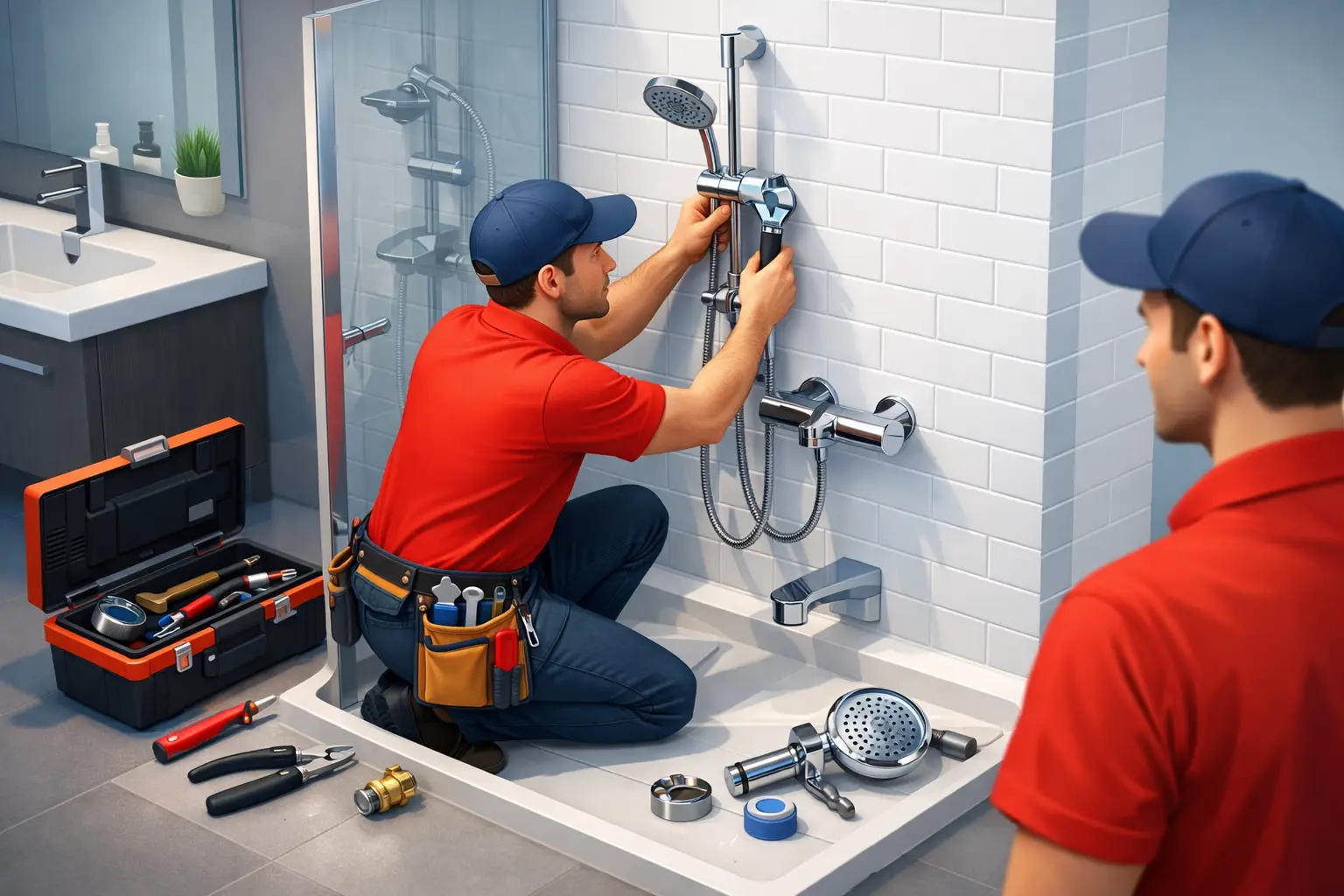
Typical examples include replacing a showerhead, shower arm, handheld shower unit, tub spout, drain cover, or exterior faucet trim. Updating a shower valve handle or escutcheon plate may also be appropriate when the valve itself is operating properly and no internal repair is needed.
These improvements can make a significant difference in a bathroom without requiring a full remodel. A new showerhead may improve spray coverage, a handheld unit can make bathing easier for children or older family members, and refreshed trim can give the space a more current appearance.
A capable handyman will start by checking the existing fixture, confirming compatibility, shutting off the water when necessary, and protecting surrounding tile, fiberglass, or finished surfaces. That attention to preparation matters. Overtightened fittings, damaged threads, or a cracked tile can turn a simple swap into a much larger repair.
When Shower Fixture Work Becomes a Plumbing Job
The dividing line is usually hidden behind the shower wall. If a project requires changing supply lines, moving a valve, replacing piping, or opening a wall to find a leak, it may fall outside a handyman’s appropriate scope and require a licensed plumbing professional under applicable local requirements.
A shower valve deserves particular caution. The valve is the working part behind the handle that controls water flow and temperature. If the handle is stiff, the shower drips after it is turned off, hot and cold water are reversed, or temperature changes unexpectedly, the issue may involve a cartridge or the valve body itself. Replacing a cartridge can sometimes be a contained repair, but seized parts, damaged valve bodies, and older plumbing can quickly complicate the work.
You should also pause before scheduling a fixture replacement if you see water stains on the ceiling below the bathroom, soft drywall near the shower, loose tile, recurring mildew, or a persistent drop in water pressure. A new showerhead will not solve a leak inside the wall. Finding and correcting the source first protects your home from further water damage.
Electrical work is another clear boundary. If your shower project includes a lighted mirror, exhaust fan, heated feature, or other wiring changes, the work should be handled by the properly qualified trade professional when required.
The Fixture Must Match the Existing Setup
Not every shower fixture is a direct replacement. Before purchasing a new faucet set or shower system, check the number of handle holes, the spacing of those holes, and the manufacturer compatibility of the valve. A trim kit from one brand often will not fit another brand’s valve, even if the handle and plate look similar.
This is where homeowners can avoid a frustrating installation day. A showerhead replacement is usually universal, but valve trim is not. If you are replacing a handle and trim plate, identify the valve manufacturer and model whenever possible. Photos of the current fixture, including the handle removed if it is safe to do so, can help determine whether the new parts will fit.
A new tub spout also needs the correct connection type. Some spouts screw onto a threaded pipe while others attach with a set screw. Installing the wrong style can lead to a loose fit or water escaping into the wall cavity rather than flowing through the spout.
What a Professional Handyman Looks For
Good fixture replacement is more than removing old hardware and attaching new pieces. Before work begins, an experienced handyman considers the condition of the shower wall, the age of the fixture, accessibility to shutoff valves, and any signs of previous repairs.
During installation, the work should be neat and measured. Threads must be sealed properly where appropriate, connections should be snug without being forced, and trim should sit flush against the wall. After the fixture is installed, water should be tested at different temperatures and flow settings. The area around the fixture should also be checked for drips or seepage.
For a showerhead or shower arm, a professional will make sure the finish is not scratched and that the arm is not twisted hard enough to damage a fitting inside the wall. For a tub spout, they will verify that water is flowing where it should and that the diverter sends water cleanly to the showerhead.
These details are why homeowners often choose professional help for a job that appears simple online. A short repair video cannot show the condition of your pipes, the history of prior work in your bathroom, or the risk of damaging an older fitting.
Repair, Replace, or Upgrade?
Sometimes the best answer is a small repair rather than a complete fixture replacement. Mineral buildup can reduce showerhead flow, for example, and a worn O-ring may cause a minor drip. If the fixture is in good condition and matches the bathroom, repairing it can be sensible.
Replacement makes more sense when the fixture is visibly worn, difficult to clean, no longer functions well, or does not suit the needs of your household. A handheld shower attachment can improve convenience, while a new adjustable showerhead can offer a more comfortable daily experience. Homeowners planning to age in place may also consider practical upgrades that make shower use easier, provided the work does not require major plumbing changes.
If you are already replacing tile, a shower surround, or a vanity, coordinating fixture work as part of the broader project can create a more finished result. It also gives the contractor an opportunity to spot issues that are easier to address while surfaces are open.
Questions to Ask Before Scheduling the Work
A clear conversation before the appointment helps prevent surprises. Explain what is not working, share photos of the current fixture, and let the handyman know whether you have already purchased replacement parts. Mention any leaking, water staining, low pressure, loose tile, or previous plumbing repairs.
It is also reasonable to ask whether the work is within the provider’s scope, whether the replacement fixture is compatible, and what happens if concealed damage is discovered. A dependable professional will be direct about the work they can complete and when another trade should be involved.
For Knoxville-area homeowners, Smart Home Fix brings a licensed and insured, practical approach to bathroom repairs and upgrades. The focus is on completing appropriate handyman work efficiently while recognizing when a hidden plumbing issue needs more specialized attention.
Can a Handyman Replace Shower Fixtures in an Older Home?
Yes, but older homes call for extra care. Corroded pipes, outdated valves, brittle tile, and fittings that have not moved in decades can make a routine replacement less predictable. A fixture may look like an easy swap until removal reveals damaged threads or a connection that is no longer secure.
That does not mean you should avoid updating an older shower. It means the work should begin with realistic expectations and a careful inspection. A professional can help you determine whether the visible fixture can be replaced safely or whether the project should be planned as part of a more complete repair.
A shower fixture upgrade should leave you with a bathroom that feels better to use, not a hidden leak or an unfinished problem. Start with the condition of the plumbing you have, choose compatible components, and rely on qualified help when the work reaches beyond the surface.