
A loose door, water-damaged trim, an aging bathroom, and a growing to-do list can all live under the same roof – but they do not always call for the same kind of professional. When homeowners compare handyman versus general contractor, the real question is usually simpler: who is the right fit for this specific job?
That distinction matters because hiring the right type of pro can make the project smoother from the start. It affects how work is planned, how many moving parts need to be managed, and whether the job is better handled as a focused repair or a larger coordinated project. For homeowners, the goal is not to choose the more impressive title. It is to choose the right level of service for the work in front of you.
Handyman versus general contractor: the basic difference
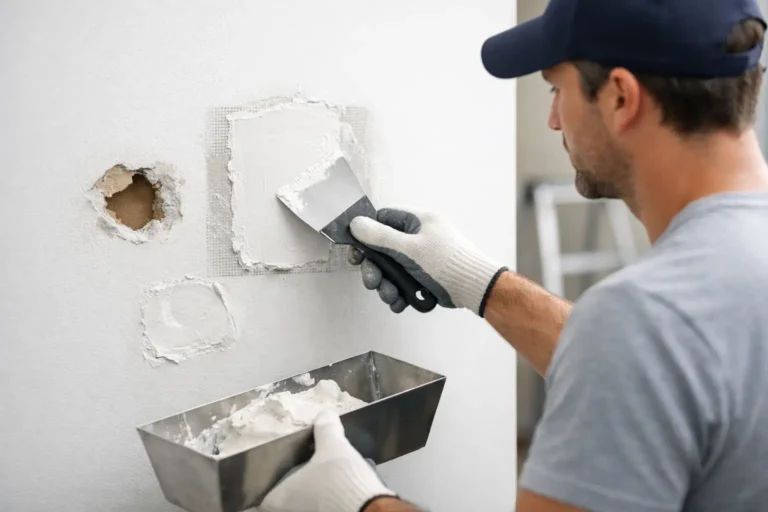
A handyman typically handles a wide range of residential repairs, maintenance tasks, and smaller improvement projects. Think drywall patches, trim repair, fixture replacement, door adjustments, deck repairs, punch-list items, and practical upgrades that keep a home functioning well. A good handyman is versatile, efficient, and especially valuable when a homeowner has several unrelated tasks that need attention at the same time.
A general contractor usually takes the lead on larger projects that involve more planning, scheduling, and coordination. That can include major remodels, additions, structural changes, and projects where multiple trades need to work in sequence. In those cases, the contractor is often managing the broader process, not just performing one repair or installation.
The line is not always sharp. Some companies are built to do both smaller handyman work and more substantial residential improvement projects. That can be a major advantage for homeowners who want one trusted team instead of juggling separate providers as the scope changes.
When a handyman is usually the better choice
For many everyday home issues, a handyman is the most practical option. If the project is straightforward, limited in scope, and focused on repair or light improvement, a handyman often makes the most sense.
This is especially true when the work is not just one issue, but several. A homeowner may need a bathroom fan replaced, a section of drywall repaired, shelves installed in a laundry room, and a sticking back door adjusted. None of those items alone may justify a major project structure, but together they create a clear need for skilled, efficient help.
A handyman is also a strong fit when the job calls for adaptability. Homes rarely present neat, isolated problems. A simple repair can uncover minor trim damage, paint touch-up needs, or hardware that should be replaced while the area is already being worked on. That practical flexibility is part of what makes handyman service so useful.
For busy households, this approach can make life easier. Instead of trying to coordinate several specialists for modest issues, homeowners can often solve a long list of problems through one service call with a qualified, professional team.
When a general contractor is the better fit
A general contractor becomes more appropriate when the work is larger, more complex, or more dependent on coordination across multiple phases. If a project involves demolition, layout changes, structural considerations, permits, or several trades working together, that is usually contractor territory.
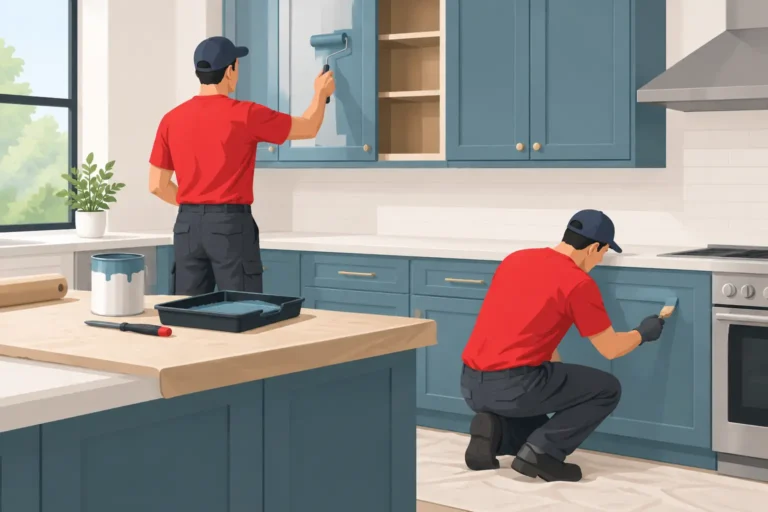
A full kitchen remodel is a good example. Even when the visible goal seems simple – new cabinets, flooring, lighting, and fixtures – the actual job may require plumbing, electrical, carpentry, scheduling, inspections, and close oversight from start to finish. The same goes for room additions, major bathroom reconfigurations, or projects that significantly alter how part of the home is built.
In those situations, the value of a general contractor is not just labor. It is project management. A contractor helps keep the work organized, sequenced, and moving in the right direction when there are more variables than a typical repair job.
The gray area homeowners run into
The reason this question comes up so often is that many projects fall somewhere in the middle. A bathroom refresh may not be a full remodel, but it is more than a basic repair. A homeowner may want new tile, fixture updates, vanity replacement, drywall repair, and a few layout improvements without tearing the whole room down to the studs.
That is where experience and service model matter more than labels. Some providers focus narrowly on one type of work. Others, especially licensed and insured residential service companies, are equipped to handle both routine repairs and larger improvement projects. For a homeowner, that can remove a lot of uncertainty.
Instead of asking, “Is this technically a handyman job or a contractor job?” it is often better to ask, “Can this company handle the real scope of my project professionally and responsibly?”
Handyman versus general contractor: what to consider before you hire
Start with the scope. Is this a repair, a collection of smaller tasks, or a project that changes the structure, layout, or systems of the home? The more complex the moving parts, the more likely you need contractor-level oversight.
Next, think about coordination. If the work can be completed efficiently by one capable team, a handyman-style service may be the right fit. If it requires multiple trades scheduled in stages, a general contractor may be the better match.
Then consider the condition of the home and the likelihood of surprises. Older homes often reveal hidden issues once work begins. If your project could expand once walls, fixtures, or finishes are opened up, it helps to work with a provider that has broad residential experience and can adapt responsibly.
Finally, pay attention to professionalism. Homeowners should not have to guess about reliability. A licensed and insured company brings a different level of confidence to the process, whether the job is a small repair or a more involved improvement project.
Why the right fit matters more than the title
Many homeowners assume bigger is better, but that is not always true. Hiring a general contractor for a short list of minor repairs can be more process than the job really needs. On the other hand, treating a complex remodel like a simple maintenance call can create avoidable problems.
The best outcome usually comes from matching the service to the work. Smaller jobs benefit from speed, versatility, and practical execution. Larger jobs benefit from planning, sequencing, and clear oversight. Both roles matter. The mistake is assuming they are interchangeable in every situation.
This is also where a broad-service company stands out. A homeowner may begin with a few repair items and later decide to move forward with a larger renovation phase. Working with one trusted local expert who can handle both can simplify decision-making and reduce the friction that often comes with home projects.
A smarter way to think about home projects
For most homeowners, the decision is less about industry terminology and more about getting dependable help without unnecessary hassle. You want the work done correctly, professionally, and with as little disruption to your home as possible.
If the project is centered on repairs, maintenance, punch-list items, and smaller improvements, a handyman is often the smart choice. If the project involves major renovation, multiple trades, or significant changes to the home, a general contractor is usually the right path. And if your needs fall in between, it makes sense to work with a company that can assess the scope honestly and guide you in the right direction.
That is the kind of practical support homeowners actually need. In Knoxville and nearby communities, many homes do not fit neatly into one category of service. They need a trusted team that can repair what is worn out, improve what no longer works well, and help homeowners move forward with confidence.
The smartest next step is not to force your project into a label. It is to talk with a qualified professional who can look at the work, understand your goals, and recommend the right level of service for your home.