A soft spot under the roofline, peeling paint near the eaves, or a piece of trim hanging loose may look like a small exterior repair. But who fixes damaged soffit depends on what caused the damage and whether the problem has reached the roof, gutters, or attic. Acting early can keep a manageable repair from becoming a moisture or pest issue.
Soffit is the finished material on the underside of your roof overhang. It gives the exterior a clean appearance, but it also has a practical job: many soffits allow air to move into the attic. When soffit is cracked, rotted, missing, or blocked, your home can lose an important layer of protection.
Who fixes damaged soffit?
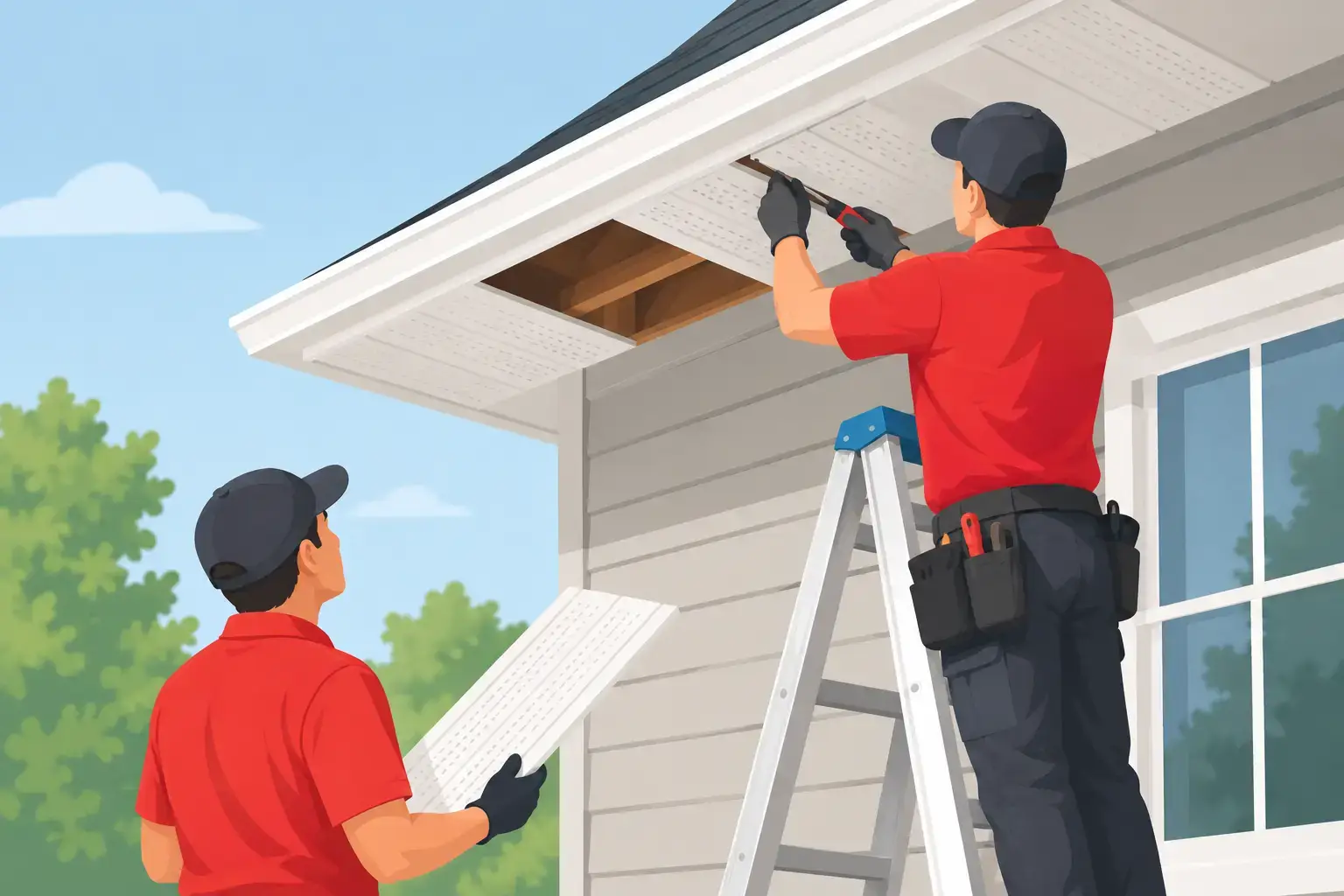
For isolated soffit damage, a qualified handyman is often the right person to call. A dependable handyman can remove damaged sections, inspect the surrounding fascia and trim, replace the material, secure loose pieces, caulk seams, and finish the area so it matches the rest of the home. This is especially useful when the repair involves a few boards, vinyl panels, minor wood rot, or damage caused by a small animal.
A roofing contractor may be the better fit when the soffit problem is tied to a roof leak, failing flashing, storm damage, or a roof edge that needs repair. Replacing the soffit without correcting the source of water can lead to the same issue again. If shingles are lifted, water stains appear near the roofline, or the fascia is badly deteriorated, the roof system should be evaluated at the same time.
A siding specialist can be a good choice when the soffit is integrated with extensive vinyl or aluminum siding work. In many cases, though, homeowners do not need to coordinate several trades for a straightforward repair. A versatile, licensed and insured local repair professional can assess the full area and explain whether the work is a focused soffit repair or part of a larger exterior issue.
What a professional should check before repairing soffit
The visible damage is only part of the story. A proper repair begins with finding out why the soffit failed. Wood soffit often deteriorates after repeated exposure to moisture, while vinyl or aluminum soffit can loosen in high winds, crack from impact, or pull away when the supporting trim fails.
The fascia board deserves close attention. Fascia is the board along the roof edge where gutters are usually mounted. If gutters overflow, leak at seams, or pull loose, water can work behind the fascia and into the soffit. Repairing only the underside may improve the appearance temporarily, but hidden rot can continue spreading.
Attic ventilation also matters. Vented soffit panels draw fresh air into the attic, where it works with higher roof vents to help release heat and moisture. A professional should make sure replacement materials preserve that airflow. Covering vent openings with solid material, insulation, paint buildup, or improperly installed screens can contribute to excess attic moisture and heat.
Finally, the area should be checked for pest activity. Birds, squirrels, wasps, and other pests can use a loose soffit panel as an entry point. If there are droppings, nesting material, chewed edges, or repeated animal sounds in the attic, the opening may need to be addressed along with any necessary pest control measures.
Signs your soffit repair should not wait
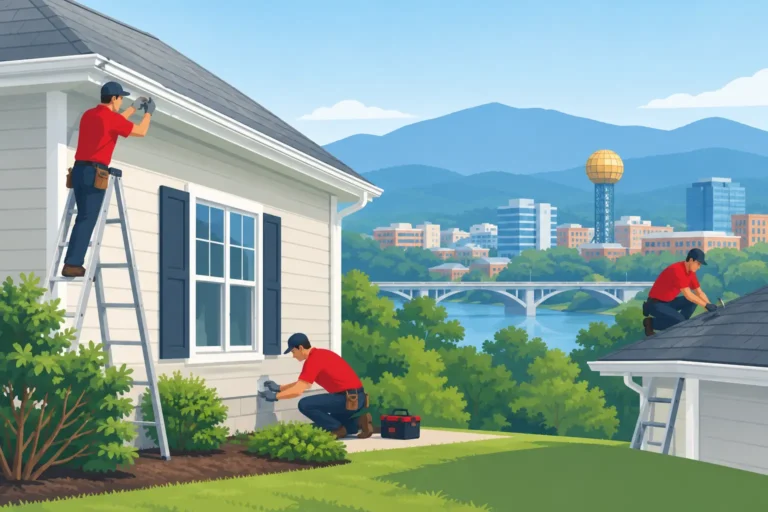
A single cracked panel is not always an emergency, but waiting too long is rarely helpful. Moisture moves through small openings, especially during heavy rain and wind. In the Knoxville area, seasonal storms, humidity, and falling branches can all put stress on roofline materials.
Call for an inspection soon if you notice staining, bubbling paint, sagging panels, soft wood, visible gaps, or pieces that move when the wind blows. Water dripping behind gutters, moldy smells in the attic, and unexplained indoor humidity can also point to a ventilation or roof-edge concern.
A repair deserves faster attention if a section has fallen away completely. Open soffit creates a direct path for water and pests, and loose material above a walkway or entry can become a safety hazard. Temporary patching may limit exposure, but it is not a substitute for identifying the cause and completing a secure repair.
Handyman repair or roof repair: how to decide
The simplest way to decide is to look for the source of the problem. If damage is limited to one small section and there are no signs of roof leakage or widespread rot, handyman repair is often appropriate. A skilled professional can replace the affected materials and correct minor gutter, trim, or caulking issues nearby.
If damage extends along multiple sides of the home, the fascia is severely decayed, or there are signs water has entered the attic, the work may require a more involved roof-edge repair. The same is true after major storm damage. The right professional will not push a small fix when a larger issue is evident, and will not recommend a major project when a targeted repair will solve the problem.
Material matching can affect the scope as well. Older homes may have painted wood soffit that requires carpentry and finishing. Newer homes often use vinyl or aluminum panels, which need to fit correctly within the existing channels and trim. The goal is not just to cover the opening. It is to restore a durable, properly ventilated roofline that looks like it belongs on your home.
What the soffit repair process usually involves
A professional repair typically starts by removing loose or damaged material and checking the wood structure behind it. Any wet or rotted backing, fascia, or trim should be addressed before new soffit goes in. Skipping this step can trap moisture and shorten the life of the repair.
Next comes replacement with a compatible material. If the existing soffit is vented, the replacement should maintain the intended airflow. The installer secures the material properly, closes gaps that could allow pests inside, and seals or finishes exposed joints as needed. Gutters and downspouts may also need adjustment if poor drainage contributed to the damage.
The final result should be secure, clean, and functional. From the ground, the repaired area should blend with the rest of the roofline. More importantly, it should protect the underlying structure from water while allowing the attic to breathe as designed.
Can you repair damaged soffit yourself?
Some homeowners can handle a minor cosmetic repair, especially on a low, accessible section of the home. However, soffit work often involves ladders, overhead cutting, hidden rot, and close proximity to gutters and roof edges. It can also be difficult to tell whether a panel is purely decorative or part of a larger ventilation system.
DIY work may make sense for a simple, clearly understood issue, but it is worth bringing in help when the cause is uncertain. Replacing a panel without correcting an overflowing gutter, roof leak, or animal entry point can turn a weekend project into repeated repairs.
For homeowners who want one reliable point of contact, Smart Home Fix can assess damaged soffit and related exterior repairs with the practical approach of The Smarter Handyman Service. A professional evaluation helps you make a confident decision based on the condition of your home, not just the most visible damage.
A soffit problem rarely improves on its own. Addressing it while the damage is contained protects your roofline, attic, and peace of mind – and lets your home keep doing the quiet work of keeping weather where it belongs: outside.