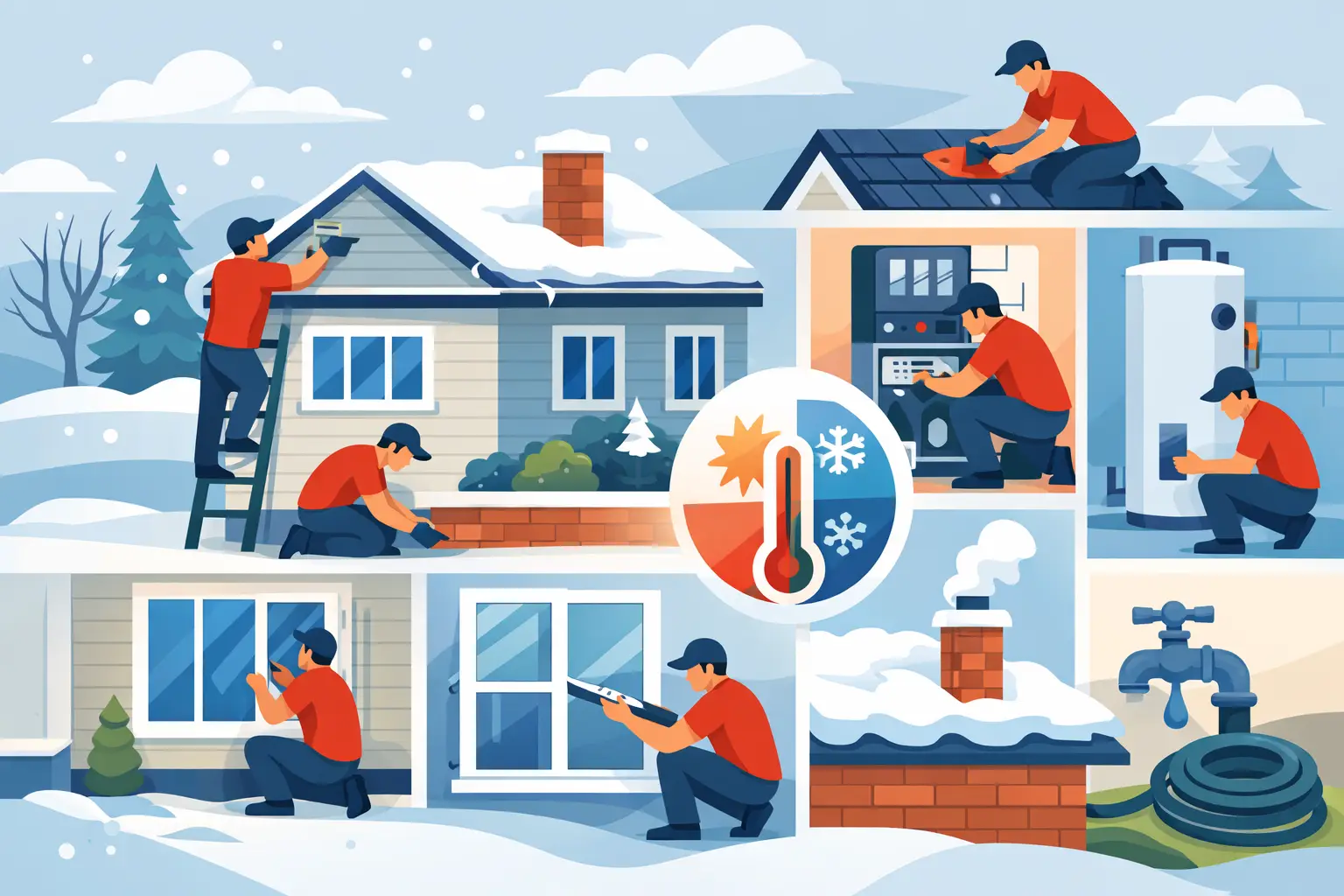
A small drip at an exterior faucet or a loose piece of flashing may not feel urgent in October. After a hard freeze or a heavy East Tennessee rain, however, those minor issues can become water damage, higher utility bills, or an uncomfortable home. The best repairs before winter focus on keeping water out, warm air in, and the systems you rely on working when the temperature drops.
For Knoxville-area homeowners, winter preparation is less about extreme snow conditions and more about rain, freezing nights, shifting temperatures, and occasional storms. A thoughtful repair list can prevent a stressful midwinter call and make everyday life at home more comfortable.
The Best Repairs Before Winter Start at the Roofline
Water follows gravity, so begin at the top of the house. Roof concerns, gutters, and exterior trim work together to move rain away from the structure. When one part fails, moisture can find its way into ceilings, walls, crawl spaces, and foundations.
1. Repair damaged roof shingles and flashing
Missing, cracked, curling, or loose shingles leave your roof vulnerable to wind-driven rain. Flashing around chimneys, vents, skylights, and roof-to-wall transitions deserves equal attention. These are common locations for leaks because several materials meet in one place.
A roof does not need to be old to have a problem. Storm damage, fastener failures, and worn sealant can affect newer roofs as well. If you have noticed a ceiling stain, damp attic insulation, or granules collecting near downspouts, have the issue checked before winter rain exposes it further.
2. Secure gutters and correct drainage problems
Gutters should be clear, firmly attached, and pitched so water reaches the downspouts instead of spilling over the edge. Leaves are especially troublesome in fall because they can form a soggy blockage just when rainfall increases.
Also look at where downspouts discharge. Water should move away from the foundation, not pool beside it. Extensions, splash blocks, or minor grading adjustments can help protect basements and crawl spaces from unwanted moisture. If water stands near the house after a normal rain, address it before colder weather limits outdoor repair options.
3. Repair exterior wood, siding, and caulk gaps
Peeling paint, soft trim boards, cracked siding, and failed caulk may seem cosmetic, but they can allow moisture into the building envelope. Once water gets behind exterior materials, it can contribute to rot and create a larger repair later.
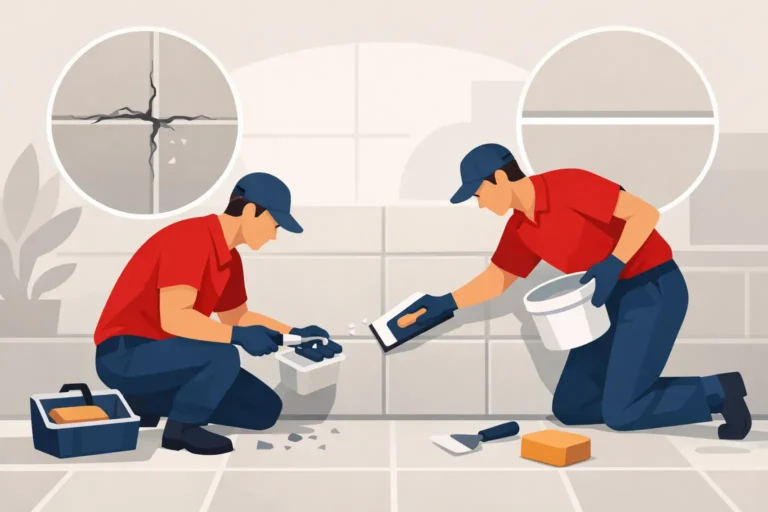
Pay close attention to window trim, door frames, fascia boards, and penetrations for pipes or cables. Replacing damaged wood and resealing open joints is a practical way to protect the home from rain and cold air. The right solution depends on the condition of the material. A narrow caulk failure may be a straightforward repair, while soft or crumbling wood usually needs replacement rather than another layer of paint.
Stop Drafts Without Trapping Moisture
A warmer home is not always about turning up the thermostat. Many comfort issues begin with uncontrolled air leaks around doors, windows, attic openings, and utility penetrations. Sealing those gaps can reduce drafts and take pressure off your heating system.
4. Repair weatherstripping and door thresholds
Stand near exterior doors on a cool or windy day and check for moving air. Worn weatherstripping, a gap beneath the door, or a loose threshold can make an entryway noticeably colder. These repairs are often modest, but they make a meaningful difference in comfort.
Doors should still open and close smoothly after repairs. Installing a thicker sweep is not helpful if it drags heavily across the floor or prevents the latch from catching. A handyman can identify whether the issue is simply worn weatherstripping or a door that needs adjustment because the frame has shifted.
5. Seal window gaps and address damaged screens or panes
Windows do not need to be replaced just because a room feels chilly. In many cases, deteriorated exterior caulk, loose trim, a failed sash lock, or gaps around the frame are the source of the draft. Repairing those issues can extend the useful life of the window and improve comfort.
If you see fogging between glass panes, broken glass, or water entering around a window, do not rely on temporary tape or interior caulk alone. Those symptoms can indicate a more involved problem. Winter prep is a good time to separate simple air-sealing work from repairs that require replacement parts or professional evaluation.
6. Insulate and secure attic access points
Heat naturally rises, which makes attic hatches and pull-down stairs common weak points. An uninsulated access panel can let warm air escape while allowing cold attic air into the living space. Gaps around recessed lights, plumbing vents, and electrical penetrations can have a similar effect.
Attic work requires care. Proper ventilation still matters, especially in a humid climate, and insulation should not block soffit vents or create moisture problems. The goal is controlled airflow: seal unintended leaks while allowing the attic to ventilate as designed.
Protect Plumbing Before Freezing Nights Arrive
Knoxville winters can bring extended periods below freezing, and exposed plumbing does not need a major cold snap to be at risk. Pipes in crawl spaces, garages, exterior walls, and unheated areas deserve attention first.
7. Repair exterior faucets and protect exposed pipes
A dripping outdoor faucet can be more than an annoyance. It may signal a worn washer, damaged valve, or plumbing connection that needs repair before temperatures fall. Disconnect garden hoses, drain them, and make sure exterior spigots are properly shut off or winterized when applicable.
Inside, inspect visible pipes for drips, corrosion, or loose connections. Pipe insulation can help in vulnerable locations, but it is not a substitute for repairing an active leak. If a crawl space has standing water, damaged vapor barrier material, or signs of plumbing trouble, deal with the source before winter moisture makes the area harder to manage.
8. Test bathroom ventilation and repair slow drains
Warm showers create moisture, and that moisture needs a reliable path out of the house. A bathroom fan that is noisy, weak, or not venting outdoors can contribute to condensation, peeling paint, and mildew. Check that fans run properly and that exterior vent covers are clear.
Slow drains are also worth resolving before holiday guests, winter gatherings, and more time spent indoors put extra demand on bathrooms and kitchens. A minor drain issue may be a simple trap or stopper problem, but repeated backups, multiple slow fixtures, or foul odors can point to a larger concern. Addressing it early gives you more options than waiting for a complete blockage.
Do Not Forget Safety and Access Repairs
Winter days are shorter, and wet leaves, rain, and freezing temperatures can make a familiar property less safe. Repairs that improve access are often the ones homeowners are most grateful for after dark or during a storm.
Check handrails, porch steps, deck boards, and loose pavers. A wobbly railing or uneven step is easier to repair on a dry day than after someone slips. Exterior lights deserve a check as well. Replace damaged fixtures, secure loose mounting hardware, and make sure entrances, walkways, and house numbers are visible.
If your home has a fireplace, inspect the surrounding trim, hearth, and damper operation before using it. Any chimney cleaning, structural concern, or gas appliance service should be handled by the appropriate qualified professional. A handyman can help with related home repairs, but safety-critical systems should receive the right level of inspection.
How to Prioritize Your Winter Repair List
Not every project needs to happen at once. Start with anything involving active water intrusion, exposed electrical concerns, unstable steps or railings, and plumbing leaks. Next, move to repairs that affect heating efficiency and day-to-day comfort, such as drafty doors, failed caulk, and attic access gaps.
Cosmetic work can often wait, unless it is hiding rot or allowing water behind the exterior finish. Taking photos after a rainstorm and keeping a short list of symptoms can help a repair professional diagnose the issue more efficiently. Note where you see water, when a draft is strongest, or which fixture is draining slowly.
For homeowners who would rather not spend weekends climbing ladders or troubleshooting several unrelated repairs, Smart Home Fix provides licensed and insured help for practical home maintenance and improvement projects in the Knoxville area. Bringing small concerns together in one seasonal plan can make your life easier and help keep the house ready for whatever winter brings.
A calm winter home usually begins with a few well-timed repairs before the first hard freeze. Walk the property while the weather is still manageable, pay attention to the details that have been easy to postpone, and take care of the ones that protect your home every day.