The first heavy rain after closing can reveal more about a house than a final walkthrough. A gutter may overflow, a window may drip, or water may collect where the yard meets the foundation. This new homeowner maintenance guide Knoxville is built for that real first year of ownership: practical work that helps you spot small issues before they become disruptive repairs.
A home does not need constant attention, but it does need a routine. Knoxville’s humid summers, leaf-heavy falls, wet springs, and occasional freezing weather all put pressure on different parts of a property. Start with the basics, keep simple records, and bring in qualified help when a project involves safety, permits, or specialized systems.
Start With a Home Maintenance Baseline
Before changing anything, learn how your home works. Locate the main water shutoff, electrical panel, gas shutoff if applicable, water heater, HVAC filters, outdoor spigots, and appliance manuals. Label what you can clearly. In an emergency, knowing which valve or breaker controls a problem can limit damage and make a service call more efficient.
Walk through the house room by room and write down anything that seems unfinished, loose, noisy, stained, or difficult to operate. Include exterior concerns such as damaged trim, loose railings, cracked caulk, grading that slopes toward the house, and trees that touch the roof. Take dated photos before you paint, remodel, or repair. They create a useful record and make gradual changes easier to notice.
It also helps to build a small home file, whether it is a folder or a digital note. Keep warranty information, paint colors, filter sizes, appliance model numbers, receipts, and notes about completed repairs. This is not busywork. When a dishwasher leaks or a light fixture needs replacement years later, accurate information saves time.
Your New Homeowner Maintenance Guide for Every Season
The goal is not to tackle every task at once. Divide maintenance into seasonal checkpoints, then handle repairs as they appear. Some homes need more frequent attention because of mature trees, older plumbing, steep roofs, crawl spaces, or heavy use by a growing family.
Spring: Check Water, Drainage, and Exterior Wear
Spring rain is a useful test for the exterior. During or shortly after a storm, look for water overflowing gutters, puddling near the foundation, leaking around windows, or collecting on patios and walkways. Gutters and downspouts should carry water away from the home, not dump it beside the foundation.
Inspect rooflines from the ground for loose shingles, visible damage, or sagging gutters. Do not climb onto a roof unless you have the training and equipment to do so safely. Check caulk around windows, doors, exterior trim, and penetrations where pipes or wiring enter the home. Failed caulk may seem minor, but it can invite moisture and pests.
Spring is also a good time to service the air conditioning system before Knoxville heat arrives. Replace the filter, clear leaves and debris from around the outdoor unit, and make sure supply vents are open and unobstructed. If the system is struggling, short cycling, making unusual sounds, or failing to cool evenly, address it before the hottest stretch of summer.
Summer: Manage Humidity and Outdoor Upkeep
High humidity can make a home feel uncomfortable even when the thermostat is set correctly. Watch for condensation on windows, musty odors, peeling paint, and moisture in bathrooms, basements, or crawl spaces. Run bathroom exhaust fans during and after showers, use kitchen ventilation while cooking, and make sure dryer vents discharge outside.
Check exterior wood surfaces for peeling paint, soft spots, or exposed areas. Deck boards, handrails, fences, and window trim can deteriorate faster when moisture is allowed to sit. A small repair and a fresh coat of protective finish are usually easier than replacing damaged material later.
Summer storms also make tree maintenance worth considering. Branches rubbing the roof, hanging over power lines, or pressing against siding can cause damage during wind and heavy rain. Keep landscaping trimmed back from the home so air can circulate and so pests have fewer pathways indoors.
Fall: Prepare for Leaves and Cold Snaps
In Knoxville, fall leaves can fill gutters quickly. Clean them after the major leaf drop, and check that downspout extensions are still directing water away from the house. If your property has many mature trees, one cleaning may not be enough.
Test smoke alarms and carbon monoxide alarms, replacing batteries as needed and following the manufacturer’s replacement timeline for the devices themselves. Check fire extinguishers for accessibility and expiration. These are simple tasks, but they matter most when something unexpected happens.
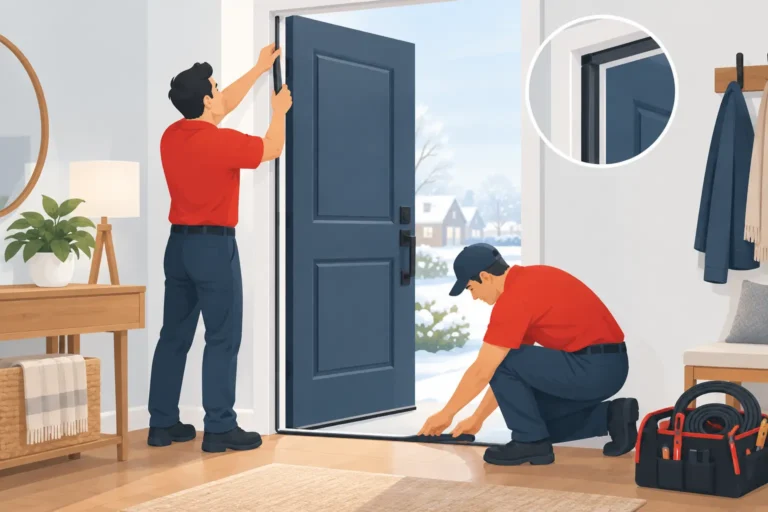
Look around doors and windows for drafts, worn weatherstripping, or gaps. Sealing air leaks can improve comfort and reduce strain on your heating system. Have the heating system inspected or serviced before cold weather, especially if it has been slow to start, smells unusual, or has not been checked recently.
Winter: Protect Plumbing and Watch for Warning Signs
Cold nights are when small plumbing vulnerabilities can become urgent. Disconnect garden hoses, protect exposed outdoor spigots when temperatures drop, and know how to shut off water quickly. Keep the house adequately heated, especially if you travel. A cold, empty home with an exposed pipe is a risk no new owner wants to discover late.
Inside, pay attention to slow drains, dripping faucets, toilets that run continuously, and cabinets that feel damp under sinks. These issues may not stop daily life, but they can waste water or point to a developing leak. Check around windows and ceilings after hard rain for fresh stains or soft drywall.
The Monthly Tasks That Prevent Bigger Repairs
A short monthly check makes maintenance manageable. Walk the exterior, especially after severe weather. Look for loose siding, damaged screens, standing water, and signs of pest activity. Inside, inspect under sinks, around the water heater, and behind appliances where accessible for moisture or corrosion.
Replace HVAC filters on the schedule recommended for your system and household. Homes with pets, allergies, or frequent HVAC use may need more frequent filter changes. Test garage door safety features, clean lint from the dryer filter after every use, and periodically inspect the outside dryer vent hood for blockage.
Do not ignore a change simply because the house is still new to you. A new sound from the furnace, a sticky door, a hairline crack that grows, or a shifting section of flooring may have a straightforward cause. Early attention gives you more options than waiting for failure.
Know Which Jobs Are DIY and Which Need Help
New homeowners often feel pressure to handle every task themselves. Basic work such as changing filters, tightening cabinet hardware, touching up caulk, or cleaning gutters from a safe position can be reasonable for many people. The right choice depends on your comfort level, tools, access, and the condition of the home.
Some jobs deserve professional attention. Electrical work beyond simple fixture changes, gas-related work, significant plumbing leaks, roof repairs, structural concerns, mold growth, and projects requiring permits should not become weekend experiments. A repair that appears small can hide wiring, water damage, or code considerations behind the wall.
For the long list of everyday repairs and improvement projects that come with settling into a home, Smart Home Fix provides Knoxville homeowners with licensed and insured, dependable local help. Having one trusted resource can make it easier to address several issues efficiently rather than letting a growing list linger.
Prioritize Safety, Water, and Function First
When your maintenance list gets long, do not start with what looks most visible. Start with safety concerns, active water issues, and systems that affect daily function. A loose stair railing, a water stain, a nonworking smoke alarm, or an outlet that feels warm needs more immediate attention than cosmetic scuffs on a wall.
After that, focus on work that protects the structure: drainage, roof and siding repairs, caulk, exterior paint, and pest entry points. Cosmetic upgrades still matter because they help a home feel like yours, but they are easier to enjoy when the fundamentals are sound.
Homeownership becomes less overwhelming when you stop viewing maintenance as one giant project. Pay attention after storms, make a few seasonal checks, and act on small warning signs while they are still manageable. Your home will reward that steady care with fewer surprises and a more comfortable place to live.