A contractor may look like the right fit until something goes wrong: a worker is hurt, a pipe leaks after a repair, or an unfinished project leaves damage behind. That is why a guide to hiring insured contractors should start with more than a simple question about whether a company is covered. Homeowners need to know what coverage exists, what it protects, and how to verify it before work begins.
For repairs, maintenance, and improvement projects around Knoxville, choosing a licensed and insured professional is one of the clearest ways to protect your home, your time, and your peace of mind. Insurance does not guarantee perfect work, but it shows that a contractor is operating with the professionalism and preparation homeowners should expect.
Why insurance matters for work on your home
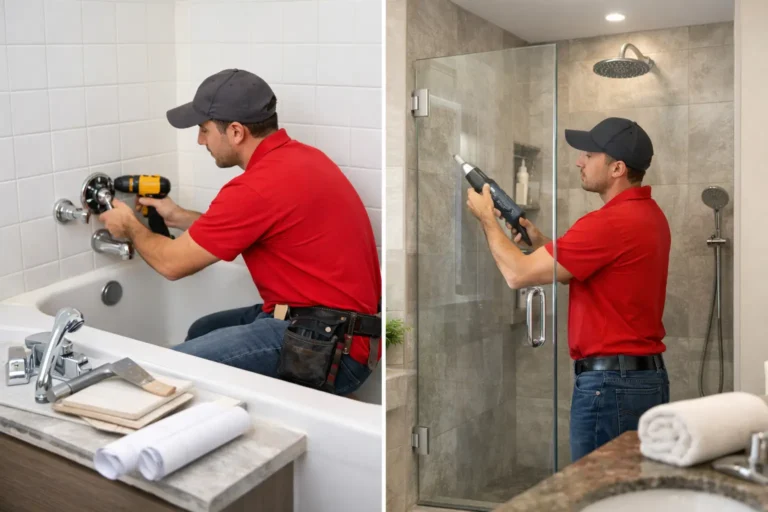
Home projects carry real risks, even when the job seems small. Replacing damaged drywall can uncover hidden moisture. Installing a new fixture can involve electrical connections. A bathroom repair can turn into a plumbing issue if a worn valve fails.
Without appropriate insurance, a homeowner may be left sorting out who is responsible for injuries or accidental property damage. A properly insured contractor has coverage designed to address those risks, rather than shifting the burden back to the customer.
Insurance also reflects how a business approaches its work. Reliable professionals plan for the expected and the unexpected. They use clear agreements, communicate about the scope of work, protect the home during the project, and maintain the coverage required for their operation.
Guide to hiring insured contractors: Know what to ask for
It is reasonable to ask a contractor for proof of insurance before scheduling a project. A professional should not be surprised or offended by the question. They should be able to explain their coverage clearly and provide current documentation when needed.
The two forms of coverage homeowners most often need to understand are general liability insurance and workers’ compensation insurance.
General liability insurance
General liability coverage is designed to help when a contractor’s work causes accidental damage or injury. For example, it may apply if equipment damages flooring, a ladder damages a window, or work performed in the home contributes to property damage.
The details matter. Policies have limits and exclusions, so avoid treating the words “insured” as the end of the conversation. Ask whether the company carries general liability insurance appropriate for the type of project you are considering. A small wall repair and a larger renovation may involve different levels of exposure.
Workers’ compensation insurance
Workers’ compensation coverage is especially relevant when people will be working in or around your home. It generally addresses job-related injuries to employees. Without it, a homeowner could face difficult questions after an injury on the property.
Some businesses work only with an owner-operator, while others have employees or use subcontractors. The right question is not simply, “Do you have workers’ comp?” Ask who will perform the work and how each person is covered. A reputable contractor should answer directly.
Coverage for subcontractors
Subcontractors are common on projects involving specialized trades or larger scopes of work. If a contractor brings in another professional for electrical, plumbing, roofing, or similar work, confirm that those workers are properly qualified and insured as well.
The contractor overseeing your project should be able to explain who is responsible for each part of the job. Clear answers now can prevent confusion later if a problem arises.
Verify coverage instead of taking a verbal promise
A verbal assurance is helpful, but it is not enough. Ask for a certificate of insurance that identifies the business, the insurer, the policy dates, and the types of coverage in place. Review the business name carefully. It should match the name on the estimate, agreement, and other project documents.
Check that the policy is current and will remain active through the planned work period. If the dates are close to expiration or the paperwork raises questions, contact the insurance provider listed on the certificate to confirm the policy is active. Do not rely solely on a document forwarded without explanation.
This step is not about assuming the worst. It is basic due diligence, much like reviewing references or inspecting completed work. Trusted local experts expect homeowners to make informed decisions.
Look beyond insurance to the full picture
Insurance is a key qualification, but it is only one part of choosing the right contractor. The best fit also has the experience, communication habits, and project organization your home needs.
Start by discussing the job in practical terms. Describe the problem, share photos if useful, and explain your goal for the finished space. A capable contractor will ask follow-up questions instead of offering a vague promise. They should help you distinguish between a straightforward repair and a project that may uncover additional work once materials are opened up.
Next, ask for a written scope of work. It does not need to be overly complicated, but it should identify what the contractor will do, which materials or tasks are included, and what may require a change in plan. Clear expectations reduce the chance that two people use the same words while imagining different outcomes.
For work that requires permits or trade-specific licensing, ask how those requirements will be handled. Licensing rules can vary by project type, size, and jurisdiction in Tennessee. A professional contractor should understand when additional permits, inspections, or specialized trade involvement may be necessary.
Pay attention to communication before the project starts
The way a contractor handles the first conversation often tells you a great deal about the experience ahead. You should receive timely, straightforward responses without pressure or confusion. If someone avoids basic questions about insurance, credentials, scheduling, or the scope of work, that is a reason to pause.
Good communication does not mean a contractor can predict every hidden condition in an older home. It means they explain what is known, what is uncertain, and how they will communicate if the work reveals something unexpected. That honesty is particularly valuable in repairs, where the visible issue is sometimes only part of the problem.
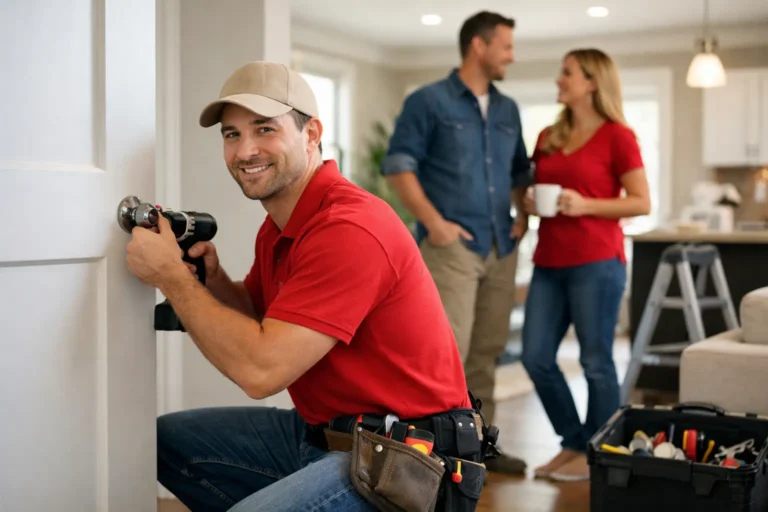
Homeowners should also feel comfortable asking how the work area will be protected and cleaned up. For an occupied home, details such as dust control, access to bathrooms or kitchens, pets, children, and daily cleanup can make a meaningful difference. Reliable service is not only about the final repair. It is also about respecting the household while the work is underway.
Warning signs worth taking seriously
No single issue automatically means a contractor is unqualified, but several warning signs together should prompt you to keep looking. Be cautious if a provider cannot produce proof of insurance, uses a business name that does not match their documents, pressures you to start immediately, or refuses to put the work scope in writing.
Other concerns include unclear answers about who will be on-site, dismissing permit questions, or promising that every issue can be solved without first assessing the condition of the home. Skilled contractors know that homes can hold surprises, especially behind walls, under flooring, or around older plumbing and electrical systems.
A lower-stress project usually begins with a contractor who is comfortable being transparent. You are inviting people into your home and trusting them with a valuable asset. Professional documentation and direct communication are reasonable expectations, not unnecessary hurdles.
Choose a contractor who makes the process easier
For many homeowners, the challenge is not finding someone who can complete one task. It is finding dependable help for the list of repairs and improvements that keeps growing. A broad-service provider can be especially helpful when projects involve several related needs, from routine maintenance to more involved updates.
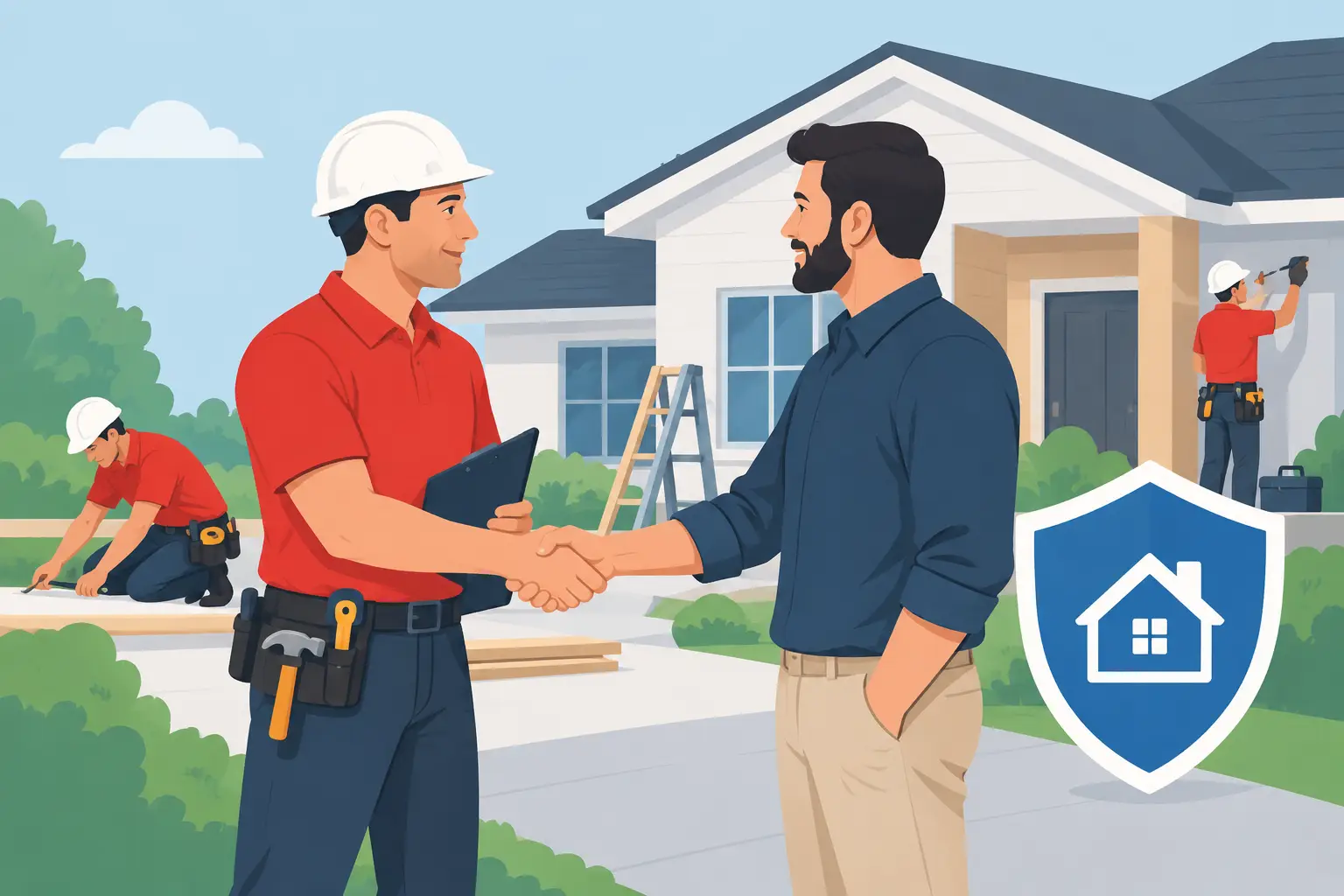
Smart Home Fix serves Knoxville-area homeowners with that practical approach: professional handyman and home improvement support from a licensed and insured local team. The goal is simple – handle work efficiently, communicate clearly, and make home repairs feel more manageable.
Before you approve your next project, take a few extra minutes to verify the contractor’s insurance, clarify the scope, and ask who will be doing the work. The right professional will welcome those questions and give you confidence before the first tool comes out.