A hard freeze can turn a small weak spot in your home into a major water problem overnight. In Knoxville, temperatures may swing quickly, which gives homeowners little time to react. The best way to prevent pipes freezing is to prepare vulnerable plumbing before the forecast reaches 32°F, not after frost has already settled in.
Pipes freeze when standing water inside them gets cold enough to expand. That expansion can split a pipe, loosen a fitting, or damage a valve. The pipe may not leak while it is frozen, either. Damage often becomes clear only after temperatures rise and water begins flowing again.
Why Certain Pipes Freeze First
Pipes near exterior walls, in crawl spaces, attics, garages, unfinished basements, and cabinets along outside walls are most at risk. These areas lose heat faster than the main living space, especially when gaps around wiring, vents, sill plates, or pipes allow cold air inside.
Older homes can be particularly vulnerable because insulation may be thin, missing, or compressed. A newer home is not automatically protected, though. Even a well-built home can have an exposed section of pipe near an exterior wall or in an unconditioned space.
Outdoor faucets and supply lines are another common trouble spot. A hose left connected to an exterior spigot can trap water in the fixture and pipe, allowing ice to form farther inside the wall. Preparation is usually simple, but it needs to happen before the first serious freeze.
How to Prevent Pipes Freezing Around Your Home
The most reliable approach combines insulation, controlled indoor heat, and protection from drafts. One measure helps, but several layers of protection give your plumbing a much better margin during a cold snap.
Insulate exposed pipe runs
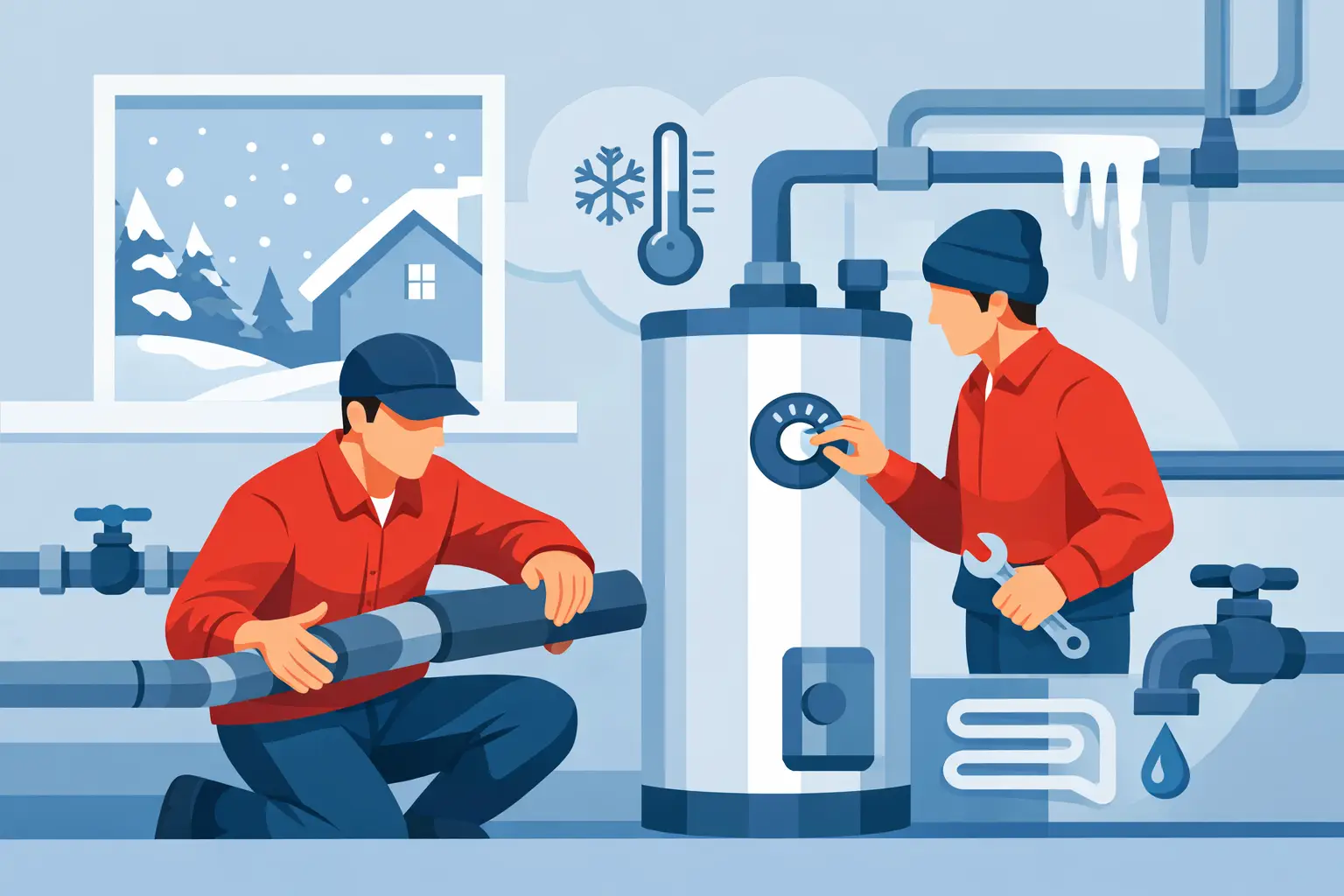
Foam pipe sleeves are useful for accessible water lines in crawl spaces, garages, basements, and utility areas. Choose sleeves that fit snugly, cover joints where possible, and secure the seams so cold air cannot easily reach the pipe. Pay close attention to elbows, valves, and short exposed sections near foundation walls.
Pipe insulation slows heat loss. It does not create heat, so it is not enough on its own for a pipe exposed to prolonged extreme cold. Still, it is one of the most practical upgrades homeowners can make before winter.
If you use heat cable or heat tape, follow the manufacturer’s instructions exactly and use only products rated for the pipe material and location. Damaged electrical cords, overlapping cable, or improper installation can create a fire or shock hazard. When in doubt, have the installation evaluated by a qualified professional.
Seal the cold air gaps
A small draft can make a big difference in a crawl space or cabinet. Inspect areas where plumbing passes through walls, floors, and foundations. Gaps around pipes, dryer vents, utility lines, and access doors can allow freezing air to reach plumbing that would otherwise stay protected.
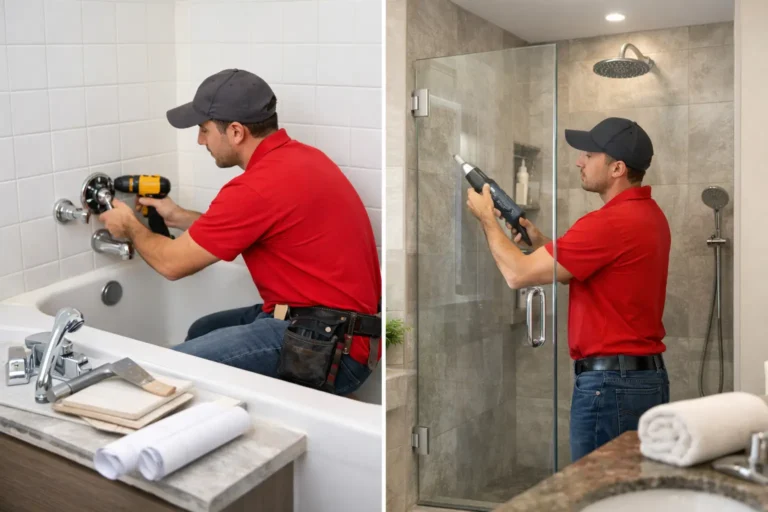
Caulk and appropriate foam sealant can reduce drafts around smaller openings. Larger gaps, damaged crawl-space doors, loose weatherstripping, and missing insulation may need a more complete repair. The goal is not to make the house airtight at every point. It is to keep cold outdoor air away from vulnerable plumbing while maintaining proper ventilation where required.
Keep the heat steady
Do not turn the thermostat down too far when cold weather arrives. Keeping your home at a consistent temperature, including overnight, helps protect pipes inside walls and floors. For most occupied homes, setting the thermostat no lower than 55°F is a sensible minimum during freezing weather. A warmer setting may be necessary in homes with known cold spots or poorly insulated areas.
Open cabinet doors beneath kitchen and bathroom sinks that sit on exterior walls. This allows warmer room air to circulate around supply lines. Remove household cleaners and other hazardous products first if children or pets have access to the area.
If you have rooms that are rarely used, keep their doors open during a cold snap so heat can circulate. Close garage doors, and avoid leaving windows cracked open near plumbing lines. A brief blast of cold air in the wrong place can be enough to freeze a poorly protected pipe.
Let a small amount of water move when needed
During severe or extended freezing temperatures, allowing a vulnerable faucet to drip can help reduce the chance of freezing. Moving water is less likely to freeze than water sitting still in a pipe. Use a slow, steady drip rather than a heavy stream, and focus on faucets served by pipes in exterior walls or unheated spaces.
This is a short-term safeguard, not a substitute for insulation or repairs. It also depends on your plumbing layout. If you are unsure which faucets protect which pipes, start with the fixtures farthest from where water enters the home and those near exterior walls.
Winterize outdoor faucets and hoses
Before freezing weather, disconnect garden hoses, drain them, and store them indoors if possible. A connected hose can hold water against the faucet and prevent proper drainage.
If your home has an indoor shutoff valve for exterior spigots, turn it off and open the outdoor faucet to drain remaining water. Frost-free faucets provide added protection, but they still need the hose removed to work as intended. If the faucet drips, does not drain, or has visible damage, arrange for repair before a hard freeze.
Do Not Forget Crawl Spaces and Vacation Plans
Crawl spaces are common sources of frozen-pipe problems because they are often colder than homeowners realize. Check that crawl-space vents, access doors, insulation, and pipe coverings are in good condition. The right vent strategy depends on how the crawl space was designed, so avoid permanently blocking ventilation without understanding the moisture implications for your home.
If you will be away during winter weather, never shut off the heat completely. Set the thermostat to at least 55°F, ask someone to check the home after a major cold event, and consider shutting off the main water supply if the house will be vacant for an extended period. If you turn off the water, open a faucet briefly to relieve pressure, but follow the needs of your specific plumbing and heating systems.
It is also wise to know where your main water shutoff valve is before an emergency. Every adult in the household should be able to locate it and turn it off. In a burst-pipe situation, minutes matter.
What to Do If You Suspect a Frozen Pipe
A faucet that produces only a trickle, frost on an exposed pipe, or an unusual cold area near a water line can indicate a freeze. Start by opening the affected faucet. Then apply gentle heat to the accessible portion of the pipe with a hair dryer, a heating pad, or warm towels. Begin near the faucet and work back toward the cold section so melting water has a path to escape.
Never use an open flame, propane torch, or other high-heat source on plumbing. Do not try to thaw a pipe you cannot safely access, especially if there is standing water, damaged insulation, or any sign the pipe may have ruptured.
Turn off the main water supply immediately if you see a crack, bulging pipe, water stain, active leak, or pooling water. Then contact a plumbing professional for urgent repairs. Once the immediate issue is resolved, address the insulation, draft, or heat-loss problem that allowed the pipe to freeze in the first place.
Small Repairs That Make a Big Difference
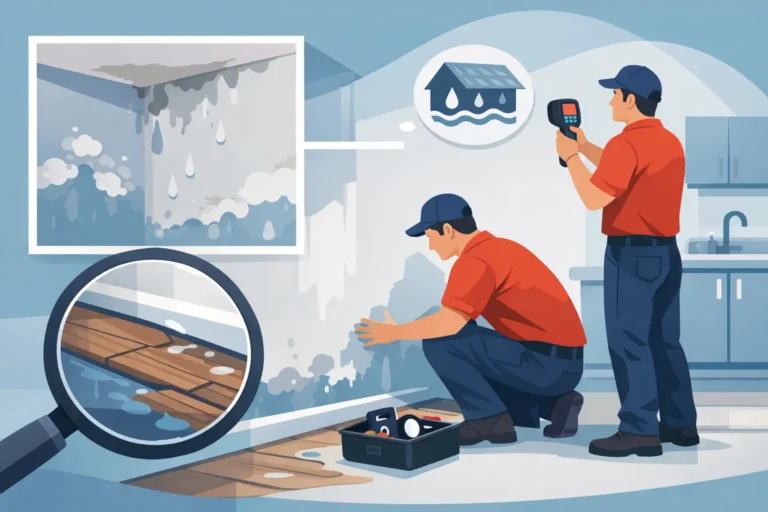
Winter pipe protection often comes down to details homeowners put off: a loose crawl-space door, missing pipe insulation, a drafty cabinet opening, a damaged exterior faucet, or a gap where a line enters the house. Taking care of those items before the next cold snap is easier than responding to wet drywall, damaged flooring, and a disrupted home.
For help with practical weatherization repairs, insulation access, and home maintenance projects, Smart Home Fix offers dependable local support for Knoxville-area homeowners. A few thoughtful improvements now can help your home stay warmer, drier, and better prepared when temperatures drop.