
A sticky door, worn shower caulk, and poor lighting can make a well-kept Farragut home feel more frustrating than it should. The best home upgrades Farragut homeowners choose are not always dramatic renovations. Often, they are practical improvements that make everyday routines easier, protect the home from avoidable damage, and help each room work better for the people living there.
The right project depends on the age of your home, its current condition, and how long you expect to stay. A growing family may need better storage and more durable finishes. A homeowner planning to age in place may prioritize safety and accessibility. Start with the upgrades that solve a real problem, then build toward the improvements that add comfort and character.
Best Home Upgrades Farragut Homes Need First
Before selecting a new fixture or paint color, look for repairs that affect moisture control, safety, and daily function. A beautiful room will not stay beautiful if water is getting behind a shower wall or an exterior door no longer seals properly.
Walk through your home with a simple question in mind: what is causing inconvenience now, and what could become a larger repair later? Peeling caulk, soft flooring, loose handrails, damaged trim, and slow drains are easy to dismiss one at a time. Addressed early, they can protect the larger investment you have already made in your home.
1. Refresh Bathrooms Where Water Does the Most Damage
Bathrooms consistently deliver meaningful improvements because they combine function, comfort, and resale appeal. A full remodel is not always necessary. Replacing failing caulk and grout, repairing damaged drywall, updating a vanity, improving ventilation, and installing new fixtures can make a major difference without changing the room’s footprint.
A shower update deserves particular attention. Cracked tile, deteriorating grout, or a worn surround can allow moisture into areas where it does not belong. If the shower layout itself works, targeted repairs and modern finishes may be the sensible choice. If the space feels cramped, difficult to clean, or unsafe to enter, a more substantial shower renovation can be worthwhile.
For older homeowners, a low-threshold shower, secure grab bars, and better lighting are practical upgrades that improve confidence every day. These details should look intentional, not added as an afterthought.
2. Improve Kitchen Function Before Chasing Trends
The kitchen is often the busiest room in the house, which makes functionality more valuable than a short-lived design trend. Start with the frustrations you encounter every week: cabinets that do not close, drawers that stick, inadequate task lighting, damaged countertops, or too little usable storage.
Small carpentry and hardware improvements can have an outsized effect. Cabinet repairs, new pulls, soft-close hardware, a backsplash, and updated lighting can refresh the room while preserving cabinets that are structurally sound. If cabinets are worn out or the layout makes cooking and cleanup difficult, a larger update may make more sense.
Choose finishes with your household in mind. Light-colored surfaces can brighten a kitchen but may show spills more easily. Open shelving looks appealing when carefully styled, yet closed storage is usually more practical for busy families. The best choice is one you will be happy maintaining.
3. Upgrade Lighting for Safer, More Useful Rooms
Lighting is one of the most overlooked home improvements. It influences how large a room feels, how safely you move through it, and how well you can handle everyday tasks. A dark hallway, dim stairway, or poorly lit kitchen counter is more than an inconvenience.
Layered lighting works better than relying on one overhead fixture. General lighting illuminates the room, while task lighting serves focused areas such as vanities, kitchen counters, desks, and laundry spaces. Accent lighting can highlight a fireplace, artwork, or built-in shelving, but it should support the room rather than compete with it.
Consider replacing outdated fixtures, adding under-cabinet kitchen lights, or improving exterior entries and walkways. Properly placed outdoor lighting makes coming home after dark easier and can help guests navigate steps and paths safely.
4. Make Entry Points More Efficient and Secure
Doors and windows have a daily impact on comfort, energy use, and curb appeal. A door that drags, sticks, rattles, or leaves a visible gap is signaling a problem that should be addressed. In Farragut’s humid summers and changing seasonal temperatures, worn weatherstripping and damaged trim can make conditioned rooms less comfortable.
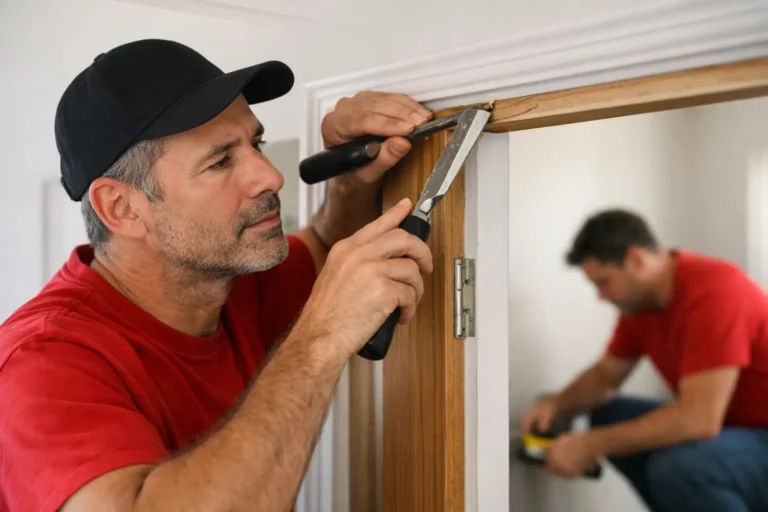
Start with repairs when possible. Adjusting a door, replacing weatherstripping, repairing threshold damage, or updating a lockset may restore proper performance. If an exterior door is warped, deteriorated, or no longer secure, replacement may be the better long-term decision.
This is also a good time to consider the details visitors notice first: a freshly painted front door, solid house numbers, a repaired porch railing, and dependable exterior lighting. These upgrades improve the home’s welcome without requiring a major exterior renovation.
5. Add Storage That Reduces Daily Clutter
More storage is valuable only when it is designed around how your household actually lives. A closet with one high shelf may technically provide storage, but it does little to organize shoes, linens, cleaning supplies, or seasonal items. Customizing existing spaces can be one of the most satisfying improvements in the home.
Focus on high-traffic trouble spots. An entry area may benefit from hooks, shelving, and a bench. A laundry room may need wall-mounted cabinets and a folding surface. A pantry can become far more usable with sturdy shelves that make staples visible and accessible.
Built-ins are a strong option when you need a polished, permanent solution, especially around fireplaces, home offices, or living-room media areas. They require more planning than freestanding furniture, but they can use awkward wall space effectively and give a room a finished look.
6. Repair and Refresh High-Traffic Flooring
Flooring must handle the way your household moves through the home. Scratched wood, cracked tile, loose transitions, and damaged vinyl can affect both appearance and safety. In many cases, repairs in limited areas can extend the life of an existing floor and avoid replacing material that is still in good condition.
When replacement is needed, consider moisture exposure, pets, children, and maintenance expectations. A finish that looks ideal in a showroom may not be the best fit for a mudroom or busy kitchen. Durable, easy-to-clean materials often make the most sense in high-traffic areas, while bedrooms may allow more flexibility.
Do not overlook transitions between rooms. Secure, smooth transitions reduce trip hazards and make a flooring update look professionally completed rather than pieced together over time.
7. Create a More Comfortable Outdoor Living Area
A usable outdoor space can add everyday enjoyment without expanding the house. Repairs to deck boards, railings, steps, screens, and exterior trim should come before decorative additions. Once the structure is safe and sound, simple improvements such as a refreshed seating area, better lighting, privacy screening, or a repaired gate can make the space more inviting.
The right scope depends on how you use the area. Families who gather outside may benefit from a larger, more durable seating surface. Homeowners who mainly want a quiet morning coffee spot may only need a small porch refresh. Avoid adding features that require more upkeep than you are prepared to manage.
How to Choose the Right Project Order
A smart upgrade plan puts repairs and protection first, then focuses on improvements that remove daily friction. Think about which spaces you use most, which issues have worsened over the last year, and which projects can be completed together. For example, repairing bathroom walls before repainting prevents duplicated work, while updating kitchen lighting during a backsplash project can reduce disruption.
It also helps to be realistic about what should be handled by a qualified professional. Projects involving structural concerns, recurring water damage, electrical work, or complex installation need proper attention. Working with a licensed and insured local service provider gives homeowners added confidence that repairs and improvements are completed with care.
A well-maintained home does not need every trend or every possible upgrade. It needs thoughtful improvements that fit your life, protect the property, and make the next ordinary day at home a little easier. Smart Home Fix helps homeowners turn that practical list into finished work they can rely on.