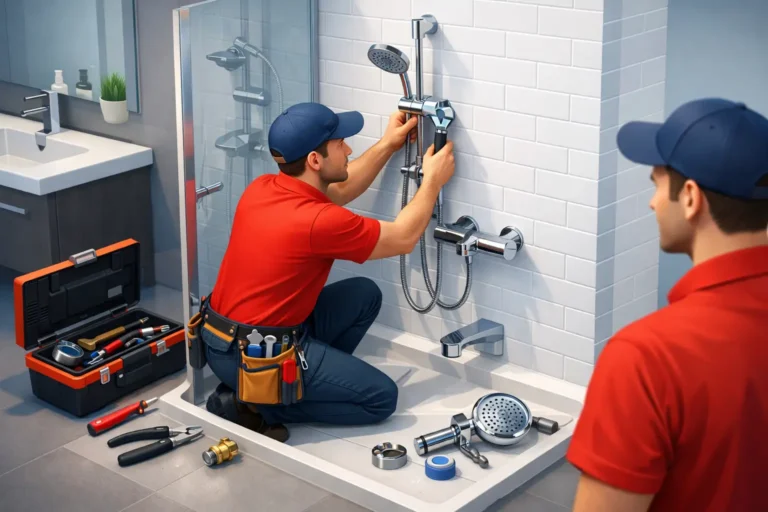
A handyman arrives to repair a leaking sink, then discovers a damaged shutoff valve behind the cabinet. Or a ladder slips while exterior trim is being repaired. These are the moments when homeowners ask, is handyman insurance required – and, just as importantly, whether the person working on their home has the coverage to handle an unexpected problem.
The short answer is that Tennessee does not impose one simple, blanket insurance rule on every person who calls themselves a handyman. Requirements can depend on the scope of work, whether permits or licenses are involved, the local jurisdiction, the number of employees, and the terms of a contract. Still, insurance is a meaningful sign of professionalism for virtually any home service provider.
Is Handyman Insurance Required in Tennessee?
For small, routine repair work performed by a self-employed handyman, general liability insurance may not always be required by state law. That does not mean it is optional from a homeowner’s perspective. A contractor can be legally allowed to perform certain work and still leave a homeowner exposed if damage or an injury occurs without proper coverage.
The rules become more involved when a project requires a permit, falls under contractor licensing rules, includes specialized work, or involves employees. Electrical, plumbing, HVAC, structural, roofing, and major renovation work can carry separate licensing, permitting, and insurance expectations. Local rules in Knoxville and nearby communities may also affect what is needed for a particular job.
A dependable provider should be able to explain the scope of work clearly, confirm whether permits are needed, and provide proof of applicable insurance when requested. If someone dismisses those questions or cannot document their coverage, that is a reasonable reason to pause before work begins.
The Coverage Homeowners Should Ask About
Insurance is not one policy that covers every possible issue. The most relevant protection depends on the type of work being done and the business performing it.
General liability insurance
General liability coverage is the policy most homeowners should ask about first. It may help address third-party property damage or bodily injury connected to the work. For example, it could become relevant if a repair accidentally damages flooring, a water line leaks after work begins, or a visitor is hurt because of a jobsite hazard.
Coverage terms and exclusions vary, so a certificate of insurance does not guarantee that every situation will be covered. It does, however, show that the business has taken a basic step to protect customers and operate responsibly.
Workers’ compensation coverage
Workers’ compensation is especially relevant when a company has employees. Tennessee requirements can vary based on the business type and number of workers, and construction-related work may be treated differently than other employment. If a worker is injured at your home, you do not want uncertainty over who is responsible for medical bills or lost wages.
A professional home service company should be prepared to explain whether its workers are employees or properly insured subcontractors. Homeowners should be cautious when a provider suggests that jobsite injuries are automatically the homeowner’s responsibility.
Commercial vehicle and specialty coverage
A business that transports tools, materials, or workers should carry appropriate commercial auto coverage. Depending on the project, a contractor may also need coverage for tools, equipment, completed work, or higher-risk activities. These policies are not always something a homeowner needs to investigate in detail, but they are part of a well-run operation.
Why Insurance Matters Even When It Is Not Mandatory
Legal minimums are not the same as good homeowner protection. A small repair can create a large problem if it affects plumbing, wiring, flooring, drywall, cabinets, or structural components. The financial impact can grow quickly, especially when water damage or an injury is involved.
Insurance does not replace careful workmanship. The best protection is a skilled professional who communicates clearly, prepares properly, and completes the job correctly. But coverage provides a backstop if something goes wrong despite those precautions.
It also tends to reflect how a business approaches its work. Licensed and insured providers are more likely to have established processes for documentation, safety, scheduling, and customer communication. That matters when you need a simple repair handled efficiently, and it matters even more when a small task turns into a larger home improvement project.
When a Handyman May Need More Than Basic Insurance
The line between handyman work and regulated contracting work is not always obvious. Replacing a door handle is very different from modifying framing around a doorway. Hanging a light fixture is not the same as adding a new electrical circuit. A provider should recognize when a project has moved beyond routine maintenance and requires the right trade professional, permit, or license.
Homeowners should be especially careful with projects involving:
- Electrical wiring, panels, or new circuits
- Plumbing lines, water heaters, or gas connections
- HVAC equipment or ductwork
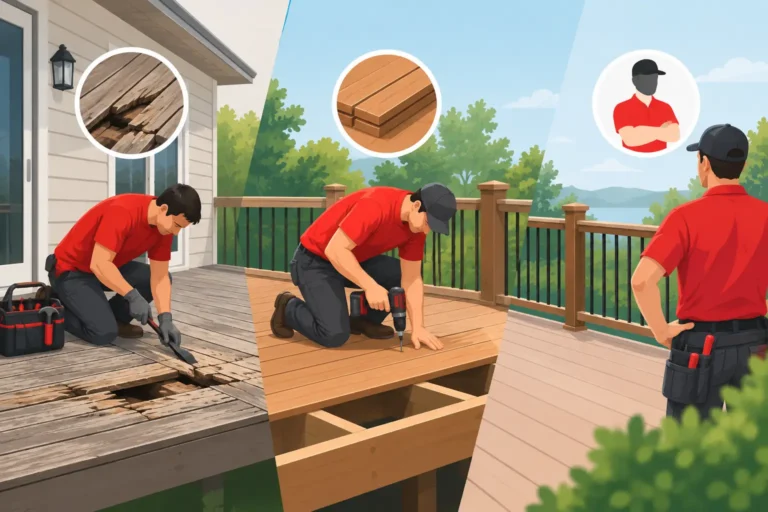
- Structural changes, decks, roofs, or load-bearing walls
- Major bathroom, kitchen, or addition work
These jobs can trigger code requirements and inspections that protect both the home and the people living in it. Insurance is part of the conversation, but it should not be used as a substitute for proper licensing and permits.
How to Verify a Handyman’s Insurance
Asking for proof of insurance is normal, not confrontational. Before work starts, request a current certificate of insurance that identifies the business, insurer, policy dates, and the type of coverage carried. Make sure the business name on the document matches the name you are hiring.
For a larger repair or renovation, it is also reasonable to call the insurance carrier listed on the certificate and confirm that the policy is active. You can ask whether the company is insured for the type of work being performed without trying to interpret every policy detail yourself.
Do not rely solely on a yard sign, business card, online profile, or verbal assurance. A professional will understand why you are asking and should make the process straightforward. Keep copies of the estimate, scope of work, change approvals, permits, and insurance documentation with your home records.
Questions Worth Asking Before You Hire
A brief conversation can reveal a lot about a handyman’s professionalism. Ask whether the business is licensed where required, carries general liability insurance, uses employees or subcontractors, and expects permits or inspections for the work you need. You should also ask who will be on site and how changes to the project will be approved.
Pay attention to the quality of the answers. Clear, direct explanations are reassuring. Vague responses such as “we do not need permits” or “insurance is not necessary” deserve a closer look, particularly for work that involves hidden systems or significant changes to the home.
For homeowners, the goal is not to become an insurance expert. The goal is to hire someone who treats your property with the care it deserves and can show that they are prepared for the responsibilities of the job.
A Smarter Standard for Home Repairs
The right question is not only whether insurance is legally required. It is whether the provider has earned your trust before entering your home and beginning work. For routine repairs, ongoing maintenance, or more involved improvements, choosing licensed and insured professionals helps reduce uncertainty and keeps the project focused on the result you want.
At Smart Home Fix, that standard is part of being The Smarter Handyman Service: clear communication, professional workmanship, and the confidence that comes from working with trusted local experts. Before your next repair or improvement project, take a moment to verify the details – it can make your life easier long after the work is complete.