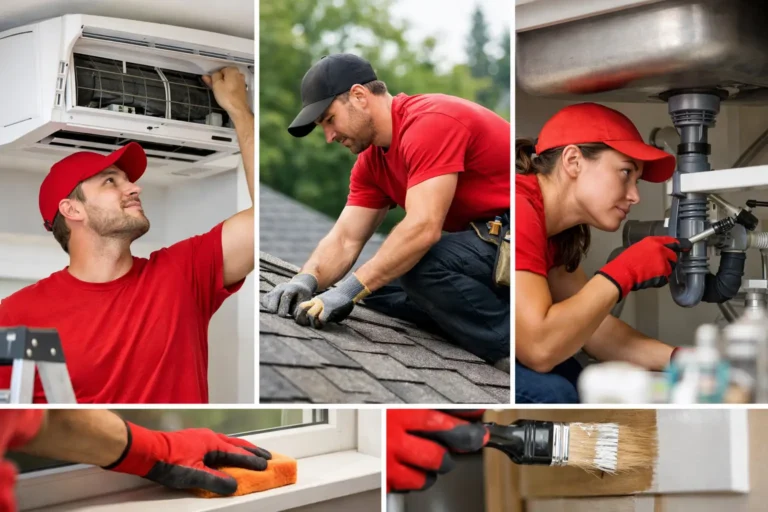
A loose doorknob, a soft spot in the floor, a drip under the sink – most home problems do not start as emergencies. They start as small signs you notice on a busy Tuesday and mean to deal with later. A good home repair planning guide helps you catch those issues early, organize what matters most, and make better decisions before minor repairs turn into bigger disruptions.
For many homeowners, the hard part is not knowing that something needs attention. It is deciding what to handle first, what can wait, and when to bring in qualified help. That is especially true when your home has a mix of routine wear, aging materials, and a few projects you have been putting off for months. A clear plan gives you control.
Why a home repair planning guide matters
Home repairs tend to pile up in a way that feels random, but there is usually a pattern. Small water issues lead to wall or trim damage. Exterior wear turns into moisture intrusion. A sticking door may point to settling, humidity, or a framing issue that needs a closer look. When repairs are handled one at a time without a plan, it is easy to spend time and energy in the wrong places.
Planning helps you separate urgent needs from cosmetic concerns. It also helps you group related work together. If drywall repair, trim replacement, and painting are all needed in the same area, it makes more sense to think of them as one coordinated effort rather than three disconnected jobs. That approach is simply more efficient and usually less disruptive to your routine.
There is also peace of mind in knowing your home is being maintained with intention. For busy families, older homeowners, and anyone juggling work and home responsibilities, a plan reduces the mental load. You do not have to remember every repair from memory or wonder what you are forgetting.
Start with a whole-home walk-through
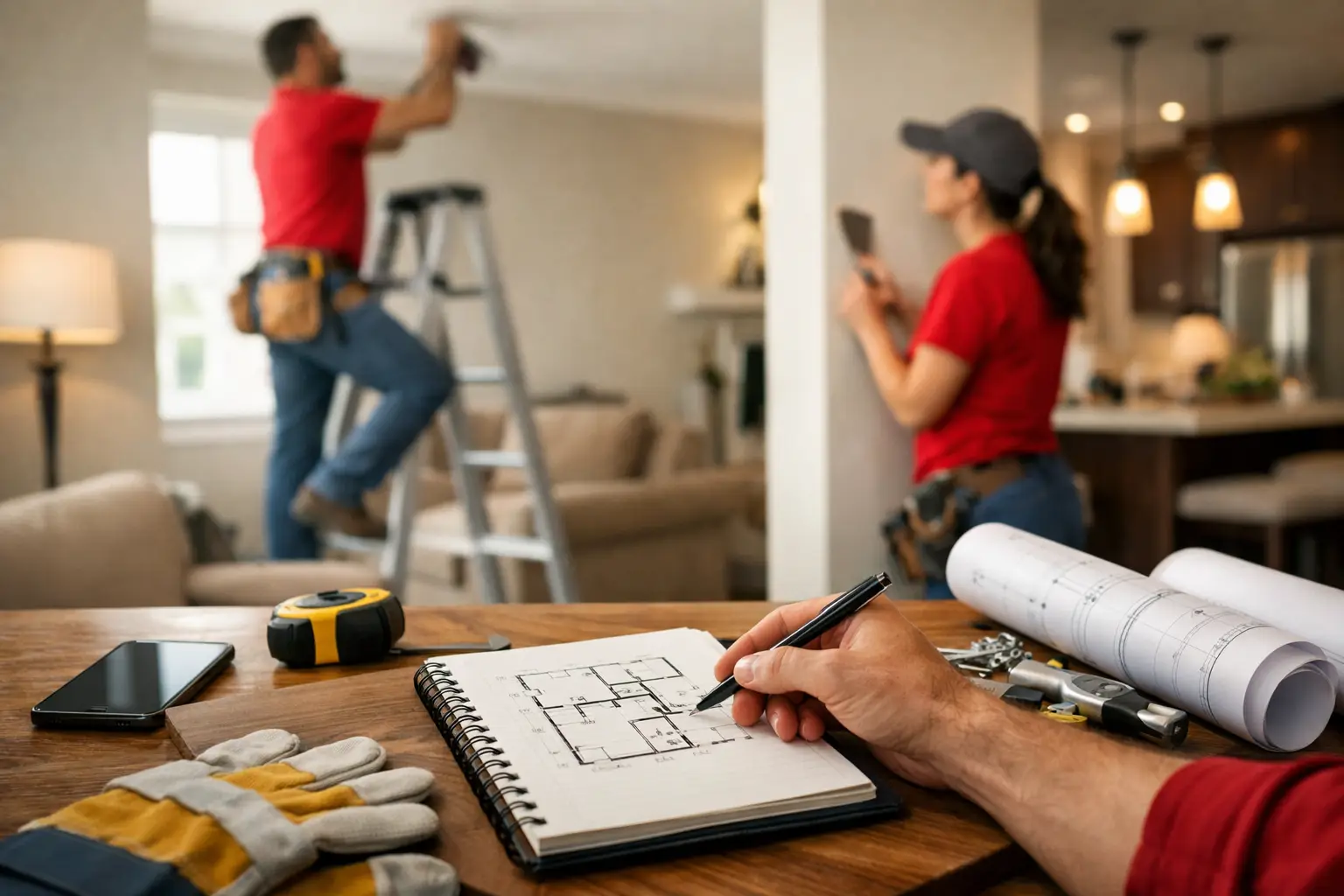
The best repair plan begins with a careful look at your house as it is today, not as you hope it is. Walk through each room and note anything damaged, worn, leaking, loose, cracked, or no longer working as it should. Then step outside and do the same with siding, trim, steps, railings, doors, windows, and visible exterior surfaces.
Keep your notes simple. Write down what you see, where it is, and whether the problem seems to be getting worse. Photos help too, especially for things like cracks, staining, wood rot, or ceiling spots that may change over time.
This first pass is not about diagnosing every issue perfectly. It is about creating a reliable list. Many homeowners underestimate how much needs attention because they only think about repairs when they are standing directly in front of them. A room-by-room walk-through gives you a more accurate picture.
Look for signs of hidden damage
Some of the most important repairs are not the most visible ones. Water stains, musty smells, bubbling paint, soft trim, and uneven flooring can all signal a deeper issue. The same goes for doors that suddenly stop latching or windows that become hard to open.
Not every symptom points to a major problem, but it is worth treating these signs seriously. The goal is not to panic. It is to avoid putting cosmetic fixes over issues that should be addressed at the source.
Prioritize by risk, not annoyance
Once you have a list, the next step is ranking each item by importance. That does not always mean tackling the most irritating problem first. A squeaky door may drive you crazy, but a small leak behind a vanity deserves more attention, even if it seems less disruptive day to day.
A practical way to prioritize is to think in three categories: safety, damage prevention, and function. Safety includes loose handrails, damaged steps, electrical concerns, and anything that could lead to a fall or injury. Damage prevention covers leaks, exterior deterioration, failing caulk, rotted wood, and anything that allows moisture in. Function includes items that affect how you use the home, such as broken doors, damaged cabinets, failing fixtures, or rooms that need repairs to stay usable.
Cosmetic work still matters. It affects comfort, pride of ownership, and in some cases resale appeal. But cosmetic repairs usually make the most sense after safety and damage prevention issues are under control.
Break projects into repair phases
One reason home maintenance feels overwhelming is that homeowners often think in terms of one giant to-do list. That approach makes everything feel equally urgent. A better way is to divide the work into phases.
The first phase should cover urgent repairs and anything that prevents further damage. The second phase can address functional problems that make daily life harder. The third phase can focus on appearance, updates, and improvements that increase comfort.
This phased approach works well because homes rarely need just one thing. They need a series of smart decisions over time. If you try to do everything at once, the process can become stressful and harder to manage. If you sequence the work well, each repair supports the next.
Group repairs by location and trade
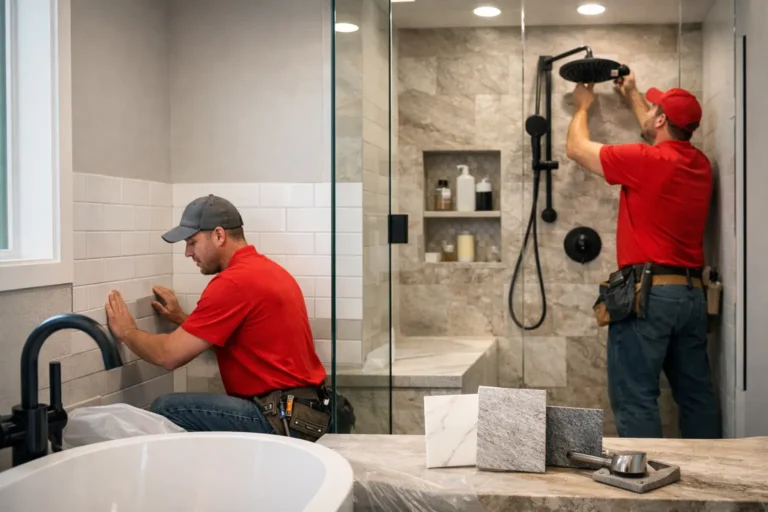
It also helps to group related tasks. If a bathroom needs drywall patching, trim repair, fixture replacement, and paint touch-up, handling those items together is usually more practical than scheduling them separately. The same idea applies to exterior wood repair, deck maintenance, and railing fixes.
Grouping work saves time, reduces disruption, and creates a cleaner final result. It is one of the simplest ways to make a repair plan more efficient.
Know when a handyman is the right fit
Not every home issue requires a specialized contractor. Many common residential repairs fall into the category of skilled handyman work, especially when the project involves multiple small or mid-sized tasks that need to be completed professionally and efficiently.
That can include drywall repair, trim work, door adjustments, minor carpentry, fixture replacement, deck repairs, punch-list items, and general home maintenance. For homeowners with an evolving list of needs, working with an experienced licensed and insured team can be a much easier option than trying to coordinate separate providers for each issue.
Of course, it depends on the scope. Some jobs involve structural changes, major system work, or larger renovation planning. The key is understanding what you are actually trying to accomplish. If the need is broad home upkeep with quality execution, a dependable handyman service is often the smartest place to start.
Build a realistic timeline
A solid repair plan should fit your life. That means considering season, access, family routines, and how long you are comfortable living with a given issue. Exterior repairs may need to happen sooner because weather exposure can accelerate damage. Interior fixes may be easier to schedule around workdays, school schedules, or travel.
Try not to plan only around convenience. If a problem has active water intrusion, visible deterioration, or safety implications, delaying it usually creates more work later. On the other hand, if a repair is stable and mostly cosmetic, it may be perfectly reasonable to schedule it for a later phase.
Homeowners in the Knoxville area often deal with a mix of seasonal humidity, rain exposure, and normal wear that can make exterior trim, wood surfaces, caulking, and entry points worth checking regularly. Local conditions matter because they influence how quickly certain materials break down.
Keep your repair records organized
Even a simple home repair planning guide works better when you write things down. Keep a running record of completed work, known issues, and observations you want to revisit. This can be as basic as a folder with photos, notes, and dates.
That record helps in a few different ways. First, it keeps small problems from being forgotten. Second, it helps you notice patterns, such as recurring moisture or repeated wear in the same area. Third, it gives you a clearer picture when you are ready to schedule work.
If you work with a service provider, organized notes also make communication easier. You can explain what you have noticed, how long it has been happening, and what else may be connected to the issue.
Avoid the common planning mistakes
The biggest mistake is waiting until multiple small problems become urgent at the same time. The second is focusing only on what you can see from eye level while missing the conditions causing the damage. The third is treating every repair as a separate event instead of part of an ongoing maintenance strategy.
A smarter approach is steady and practical. Address the issues that protect the home first. Group related work when you can. Bring in qualified help before a simple repair becomes a complicated project. That mindset is part of what makes Smart Home Fix The Smarter Handyman Service for homeowners who want reliable work without unnecessary hassle.
A well-kept home rarely stays that way by accident. It stays that way because someone notices the small things, makes a plan, and acts before those small things start making decisions for them.