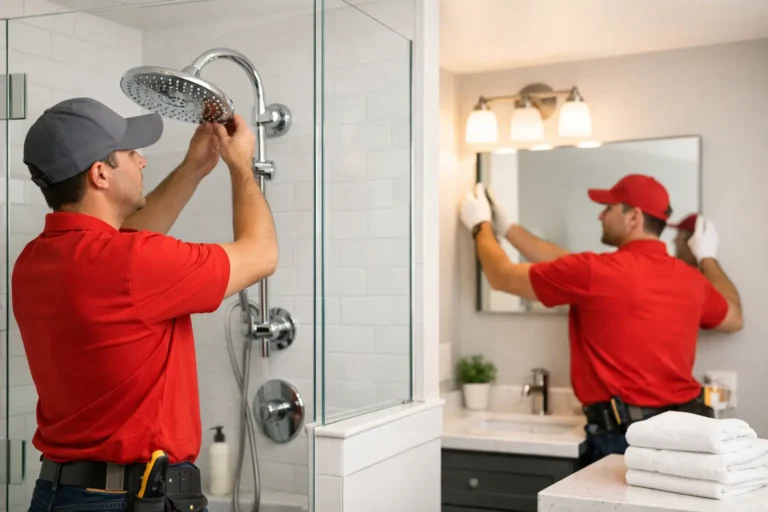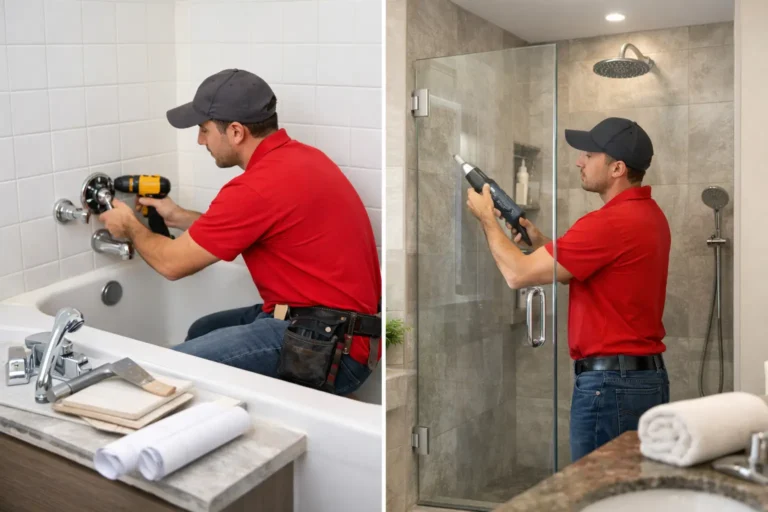
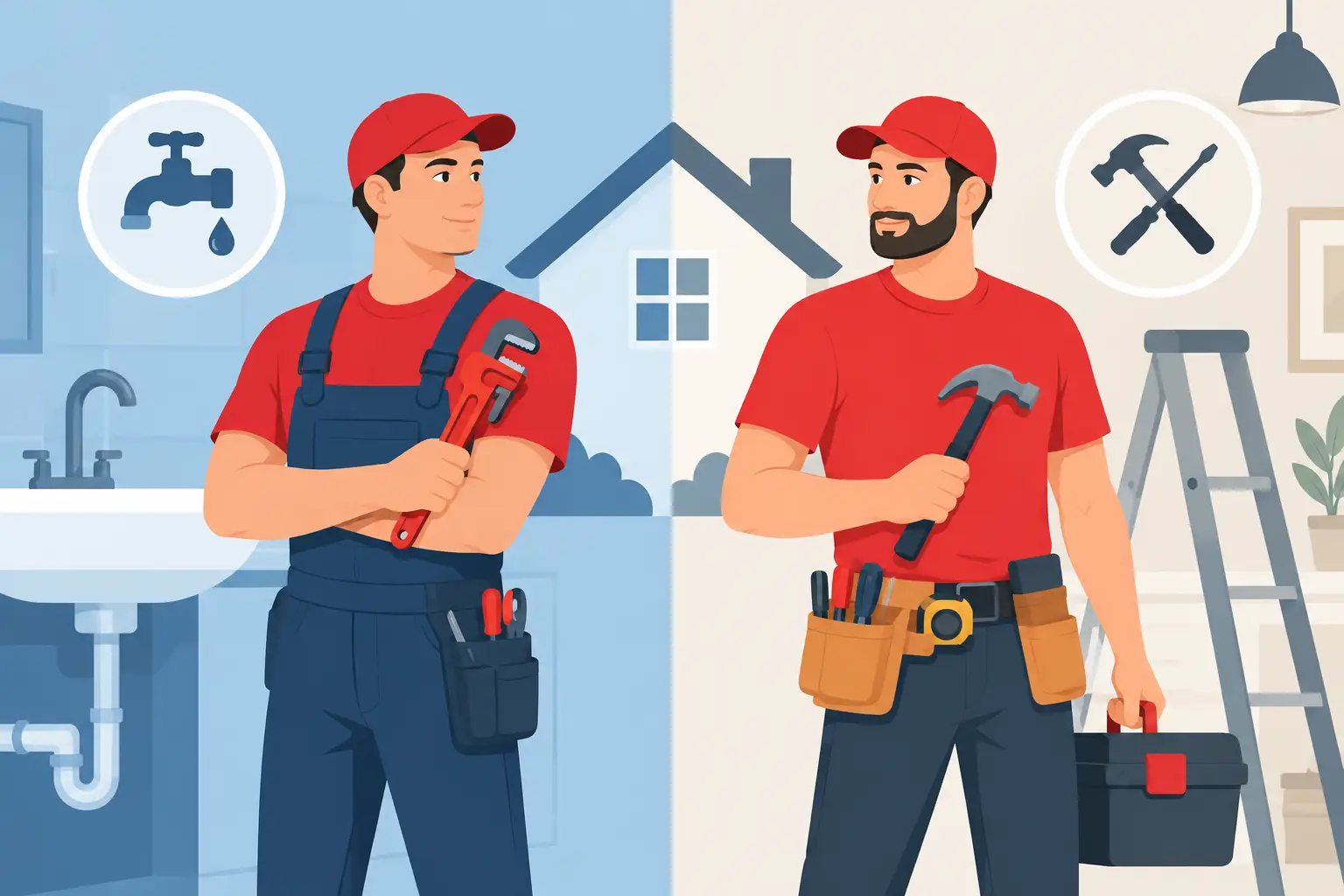
A dripping faucet may look like a small job until it becomes a cabinet leak, damaged flooring, or a surprise water bill. That is why plumber versus handyman repairs is not always a simple choice. The right professional depends on what is failing, whether water or drain lines are involved, and whether the work requires a permit, inspection, or specialized license.
For Knoxville-area homeowners, the goal is not to hire more help than a repair needs. It is to get the issue handled correctly the first time, protect your home, and avoid turning a manageable repair into a larger project.
Plumber Versus Handyman Repairs: The Core Difference
A plumber specializes in water supply, drainage, fixtures, pipes, and plumbing systems. They are the right call when a repair involves work behind walls, inside floors, on a main line, or anywhere a mistake could cause contamination, flooding, or a code issue. Licensed plumbers also handle work that may require permits or inspections.
A handyman is a versatile residential repair professional. A qualified handyman is often a practical choice for minor, visible repairs and the surrounding work that makes a plumbing-related project complete. That can include repairing water-damaged trim after a plumbing issue is fixed, replacing an access panel, sealing gaps around a sink, repairing drywall, installing shelving, or correcting loose hardware.
The dividing line is not whether the job happens in a kitchen or bathroom. It is whether the work changes, repairs, or connects the plumbing system itself.
When You Should Call a Plumber
Call a plumber when you have an active leak you cannot quickly stop, low water pressure throughout the home, a clogged main drain, sewage odors, discolored water, or water appearing from a wall, ceiling, or floor. These are system-level warning signs, not cosmetic repairs.
A plumber is also the best choice when a fixture needs new supply or drain connections, a pipe needs to be replaced, a water heater is malfunctioning, or a toilet leak appears to come from the base, tank, or hidden connections. Even a small leak can travel farther than expected. By the time drywall stains or warped flooring are visible, moisture may have already affected framing, insulation, or subflooring.
Repairs that usually require plumbing expertise
Replacing shutoff valves, repairing burst or corroded pipes, clearing severe drain blockages, moving plumbing lines, and installing or repairing water heaters belong with a plumber. The same is true for sewer line concerns, gas line work, backflow prevention devices, and any project requiring a plumbing permit.
These jobs carry more risk than most homeowners realize. A poor connection can leak slowly for months. An improperly vented drain can cause recurring clogs and sewer gas problems. Work that does not meet local requirements can also complicate a future home sale or insurance claim.
If you are unsure whether the problem is behind a wall or beneath a fixture, treat it as a plumbing issue until a professional can assess it.
When a Handyman Is the Better Fit
A handyman is often the right call once the plumbing system is sound and the remaining work involves repairs, finishing, maintenance, or improvements around it. This is where a broad-service home repair team can make life easier.
For example, a homeowner may have a plumber stop a leak under a sink, then need cabinet repairs, a new access opening, drywall patching, baseboard replacement, paint touch-ups, and caulking. Coordinating separate specialists for each small task can be frustrating. A dependable handyman can take care of the repair work that restores the room’s appearance and function.
Handymen are also well suited for jobs such as replacing a worn toilet seat, tightening loose cabinet hardware, installing bathroom accessories, repairing loose flooring transitions, regrouting tile, refreshing caulk around a tub or sink, and fixing minor damage caused by everyday wear. These projects matter because small maintenance issues can make a bathroom or kitchen feel neglected, even when the main systems are working properly.
A handyman can help prevent bigger repairs
Routine maintenance is one of the best reasons to call a handyman before a problem becomes urgent. Deteriorated caulk, loose shower trim, damaged drywall, failing weatherstripping, and poorly sealed openings allow moisture to reach places it does not belong.
A licensed and insured handyman service can identify these visible trouble spots and make practical repairs before they lead to rot, mold concerns, peeling finishes, or more extensive renovation work. The work may not involve changing a water line, but it can protect the areas around it.
The Gray Areas: Fixtures, Faucets, and Toilets
Some repairs fall into a gray area. A faucet that drips from a worn cartridge may seem straightforward, but the condition of the shutoff valves, supply lines, fixture, and sink cabinet can change the scope quickly. A toilet that rocks may only need its mounting addressed, or it may have a compromised seal that requires plumbing expertise.
The safest approach is to describe the symptoms clearly when requesting service. Mention where you see water, how long the issue has been happening, whether the fixture still works, and whether you can shut off the water. Photos can also help a service provider determine whether the job is appropriate for handyman repair or should go directly to a plumber.
Do not assume that a fixture replacement is automatically a handyman project. If installation requires altering supply lines, drain connections, vents, or electrical connections, it may require a licensed trade professional. A reputable handyman will be clear about that boundary instead of taking on work outside the proper scope.
Start With Safety When Water Is Involved
When water is actively leaking, the first repair is stopping the water. Turn off the fixture’s local shutoff valve if it is accessible and working. If you cannot stop the leak there, turn off the home’s main water supply and contact a plumber promptly.
Move towels, rugs, and belongings away from the wet area. If water is near outlets, appliances, or electrical equipment, avoid touching them and turn off power at the breaker only if you can do so safely. Never open walls, remove ceilings, or use power tools around an active leak unless you know the area is safe.
Once the plumbing issue is contained, take note of the resulting damage. A handyman can often help restore drywall, trim, paint, cabinets, flooring transitions, and other finishes after the source of the water has been professionally corrected.
How to Choose the Right Professional
The best choice comes down to scope, risk, and accountability. Ask whether the repair affects a water line, drain line, gas line, or concealed connection. Ask whether permits or inspections may apply. If the answer is yes or you are not sure, start with a plumber.
For visible repair work, maintenance, finishing tasks, and improvements that do not alter the plumbing system, a trusted handyman can be the efficient choice. Look for a provider who is licensed and insured, communicates clearly, respects your home, and is willing to explain what is within their scope.
At Smart Home Fix, the focus is on dependable residential repairs and improvements that help homeowners keep their properties in good condition. When a project includes both specialized plumbing work and follow-up repairs, knowing where one scope ends and the next begins keeps the work organized and helps protect your home.
A small water issue deserves prompt attention, but it does not always require the same kind of professional. Choose a plumber for the system behind the wall, and choose a capable handyman for the repairs that make the space feel whole again.