A dated bathroom can make every morning feel more complicated than it needs to be. Peeling caulk, a loose vanity, poor lighting, damaged flooring, or a shower that no longer works well are real quality-of-life issues. When homeowners ask, “can a handyman remodel a bathroom?” the practical answer is often yes – but the right scope matters.
A skilled handyman can handle many of the visible, functional improvements that make a bathroom feel clean, current, and easier to use. The work becomes more complex when a project involves moving plumbing, adding electrical circuits, changing structural components, or completing work that requires permits and specialized trade licensing.
The smartest approach is to match the project to the professional’s qualifications. That protects your home, keeps the work organized, and helps prevent a small update from turning into a repair problem later.
Can a Handyman Remodel a Bathroom From Start to Finish?
A handyman may be able to complete a bathroom remodel from start to finish when the layout stays largely the same and the project does not require major plumbing, electrical, or structural changes. This is often the case with a cosmetic refresh or a focused upgrade to an existing bathroom.
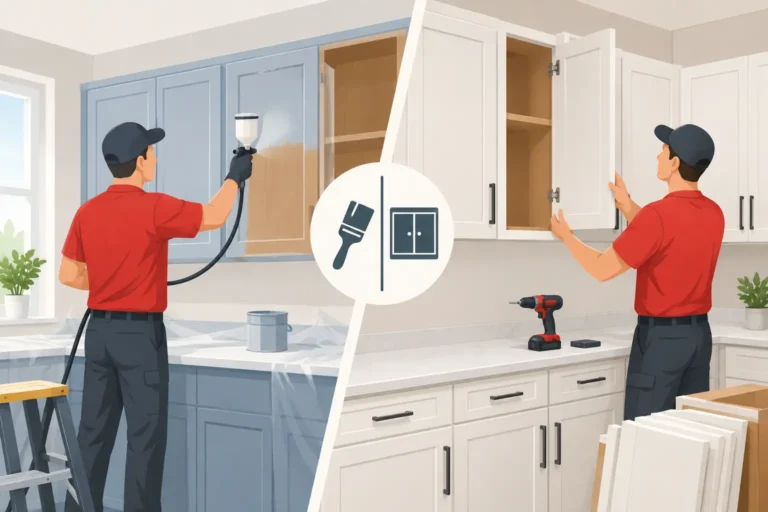
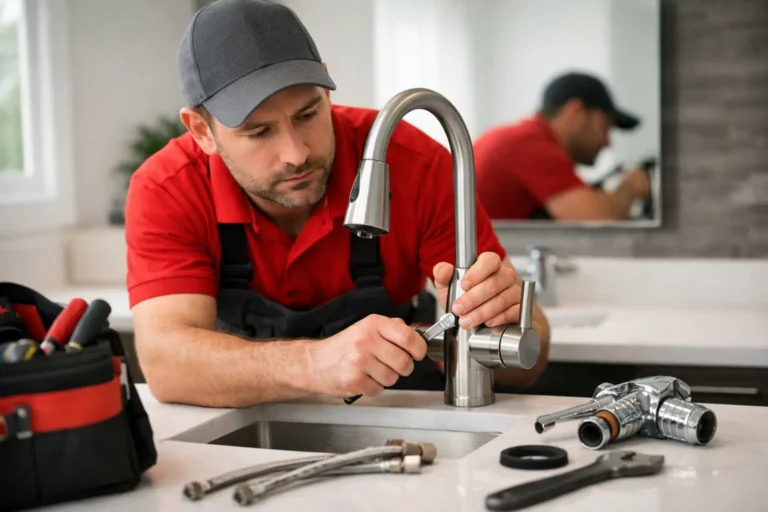
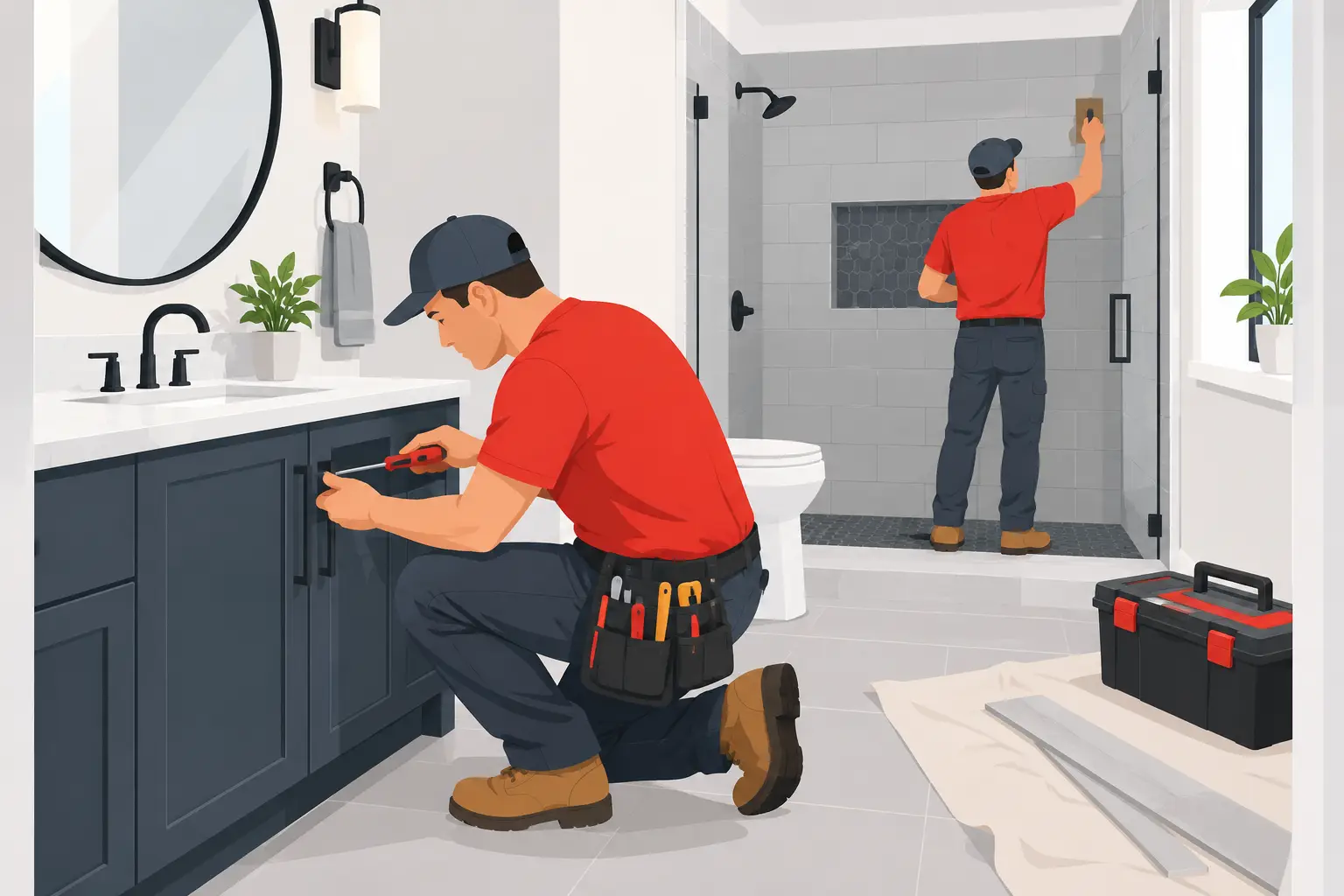
For example, a qualified handyman can often remove and replace a vanity in the same location, install a new toilet, hang mirrors and accessories, replace damaged trim, repair drywall, update hardware, paint walls, install shelving, and complete finish carpentry. Many can also install flooring, replace light fixtures where permitted and qualified, refresh grout and caulk, or install a new faucet using the existing plumbing connections.
That can make a handyman an excellent choice for homeowners who want a more attractive and functional bathroom without coordinating a separate crew for every small task. One trusted professional can manage the details, keep the space tidy, and help the project move forward efficiently.
Still, “from start to finish” does not always mean “one person performs every trade.” A dependable handyman should recognize when the job calls for a licensed plumber, electrician, or other specialist. Good project management includes knowing where that line is.
Bathroom Projects a Handyman Can Often Handle
The right handyman can make a significant difference in a bathroom that needs updating, repairs, or better organization. Common projects include vanity and cabinet installation, toilet replacement, fixture swaps using existing connections, drywall patching, paint, trim work, door repairs, grab bar installation, towel bar and mirror mounting, shelving, and minor tile repairs.
A handyman can also be especially helpful after a leak has been repaired by a plumbing professional. Once the source of the water issue is resolved, the remaining work may involve replacing damaged baseboards, patching walls or ceilings, repairing flooring, repainting, and reinstalling bathroom accessories.
Shower and tub updates can fall into either category. Replacing a shower door, installing new hardware, repairing caulk, or handling finish work may be well suited to a handyman. A full shower rebuild, waterproofing system, or work involving supply lines and drains requires much more careful evaluation. Water management is not an area for shortcuts. A beautiful shower that is not properly waterproofed can damage framing, subflooring, and adjacent rooms long before the problem becomes visible.
When a Bathroom Remodel Needs Specialized Trades
A bathroom is a compact room, but it contains several systems that must work together safely: plumbing, electrical, ventilation, moisture protection, and sometimes structural support. If your plans affect one of those systems in a substantial way, specialized help may be necessary.
Plumbing work deserves a closer look when you want to relocate a toilet, move a shower or tub, change drain locations, replace hidden supply lines, or address recurring leaks. These changes can involve piping inside walls and floors, drainage slope, venting, and code requirements. The same applies when an older home has corroded pipes or signs of water damage around fixtures.
Electrical work may require a licensed electrician when the remodel adds circuits, moves wiring, changes the electrical panel, installs new exhaust fan wiring, or alters required ground-fault protection. Bathrooms have specific safety considerations because electricity and moisture are so close together. A new light fixture may seem simple, but the wiring behind it may not be.
Structural issues should also be addressed before cosmetic work begins. Soft flooring near a tub, cracked tile that keeps returning, a sagging ceiling, or walls that feel spongy can point to moisture damage. Covering those signs with new materials only delays the repair.
Local permit and licensing requirements can vary based on the scope of work and the municipality. A professional should be willing to explain what the project involves, identify where specialized trades may be needed, and avoid making promises that ignore those requirements.
How to Decide What Your Bathroom Really Needs
Before choosing a handyman or planning a larger renovation, separate your wish list into three groups: cosmetic improvements, functional repairs, and system changes. This simple exercise makes the project much easier to define.
Cosmetic improvements include paint, new hardware, a mirror, trim, shelves, a vanity, or updated flooring. Functional repairs include a loose toilet, damaged drywall, poor caulk, a sticking door, worn fixtures, or missing storage. System changes include moving plumbing, adding electrical capacity, changing ventilation, expanding the room, or rebuilding a shower.
If most of your list falls into the first two groups, a handyman-led project may be the efficient solution. If system changes make up a large portion of the plan, you may need a remodel that coordinates multiple qualified trades. The goal is not to make the project bigger than necessary. It is to make sure the work is done correctly for the home you have.
It also helps to consider the age and condition of the bathroom. In a newer home with sound plumbing and a straightforward layout, a refresh can be relatively simple. In an older Knoxville-area home, opening a wall may reveal outdated wiring, previous repairs, hidden moisture damage, or materials that need additional attention. An experienced local professional understands that a clear plan should include room for what may be discovered once work begins.
What to Ask Before Hiring a Handyman for Bathroom Work
A bathroom remodel affects your daily routine, so a short conversation before work begins can prevent confusion later. Ask what parts of the project the handyman will complete directly and what work may require a licensed trade specialist. You should also ask how the existing plumbing, electrical connections, walls, and flooring will be evaluated before new finishes are installed.
Insurance matters as well. A licensed and insured service provider gives homeowners added confidence that the work is being handled professionally. Ask about experience with bathrooms similar to yours, especially if the project includes tile, shower components, flooring, or repairs after water damage.
Clear communication about the work sequence is just as valuable. Bathroom projects usually follow an order: protect the surrounding area, remove old materials, address repairs, complete any necessary trade work, install new components, then finish with paint, caulk, trim, and cleanup. When that sequence is understood from the beginning, the result is less disruptive and easier to manage.
Why Scope Matters More Than the Job Title
The word “handyman” can mean different things from one company to another. Some professionals focus on small repairs. Others have the experience and project coordination skills to complete substantial bathroom upgrades while bringing in appropriate specialists for regulated work.
What matters is not the label alone. It is whether the person you hire has the skills, insurance, experience, and judgment for your specific project. A dependable professional does not treat every bathroom project the same. They look at the condition of the room, listen to what you want to change, and recommend a practical path forward.
Smart Home Fix takes that approach with residential repairs and improvement projects: solve the immediate problem, protect the home, and keep the process straightforward for the homeowner. Sometimes that means a focused repair. Sometimes it means coordinating a more involved update with the right expertise in place.
A bathroom should feel dependable, not delicate. Start with a clear list of what is broken, what is outdated, and what would make the room work better for your household. That gives you the foundation for a remodel that is both attractive and built to last.