A bathroom can look clean and still be holding too much moisture. If the mirror stays fogged long after a shower, towels smell musty, or paint is beginning to peel near the ceiling, it is time to improve bathroom ventilation. Addressing the problem early protects finishes, improves comfort, and helps prevent moisture from moving into walls and ceilings.
For Knoxville homeowners, ventilation matters year-round. Summer humidity adds to the moisture already produced by showers and baths, while cooler weather can make condensation more visible on windows and cold surfaces. The right solution depends on the room, the existing fan, and where that fan actually sends the air.
Why Bathroom Moisture Should Not Be Ignored
A hot shower can release a surprising amount of water vapor into a small, enclosed room. Without a clear path outside, that moisture settles on mirrors, walls, cabinetry, grout, and ceilings. Over time, it can feed mildew, stain caulk, warp wood trim, loosen paint, and contribute to hidden damage around the exhaust opening or above the ceiling.
Not every damp bathroom has a serious mold issue, but recurring moisture is a warning sign worth investigating. A bathroom that feels humid for an hour after use is not simply inconvenient. It may indicate an undersized fan, a blocked duct, poor air movement, or a fan that vents into an attic rather than outdoors.
The goal is not to make the bathroom feel cold or drafty. Good ventilation removes humid air efficiently while allowing the room to remain comfortable.
Improve Bathroom Ventilation by Checking the Fan First
The exhaust fan is usually the first place to look. Many homeowners assume a fan is working because they can hear it. Noise alone does not mean it is moving enough air. Dust buildup, a worn motor, a loose duct connection, or a clogged exterior vent hood can all reduce performance.
Start with a simple test after a shower. Turn the fan on and see whether the mirror begins clearing within several minutes. You can also hold a single square of toilet paper near the grille. A properly operating fan should pull it gently toward the cover. This is not a complete airflow test, but it can reveal a fan that is barely drawing air.
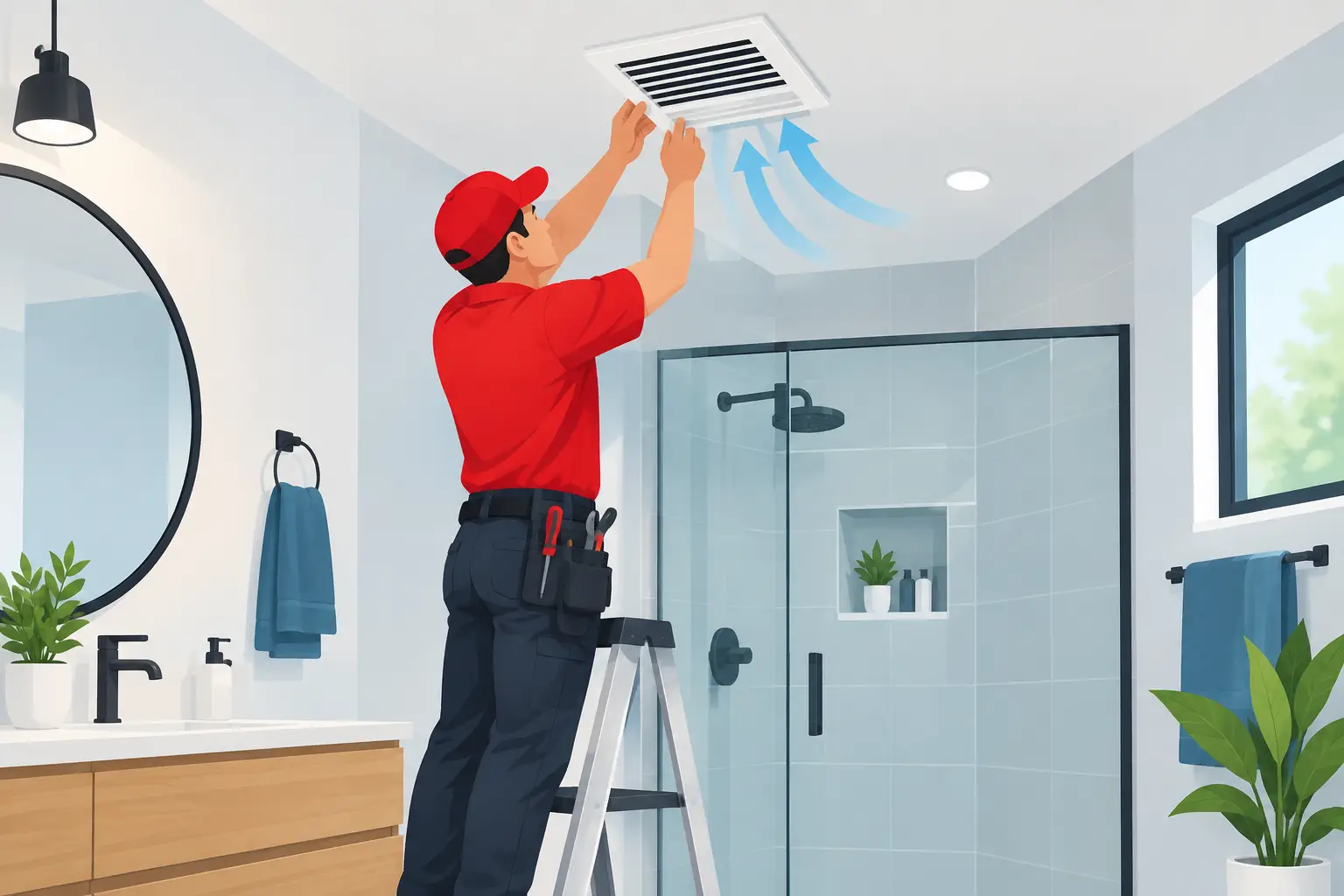
Remove and clean the grille regularly. Dust on the cover and inside the housing restricts airflow, and bathrooms collect lint faster than most people expect. Turn off power at the switch and follow the manufacturer instructions before cleaning around the motor. If the fan rattles, starts slowly, runs loudly, or stops pulling air effectively after cleaning, replacement may be the more reliable answer.
Choose the Right Fan Size
Fan capacity is measured in CFM, or cubic feet per minute. A small powder room needs far less airflow than a large primary bathroom with a separate shower, soaking tub, and enclosed toilet area. Installing a fan that is too small leaves moisture behind, while an oversized unit may be unnecessarily noisy or pull conditioned air out of the home more quickly than needed.
A general rule is that bathrooms under 100 square feet need at least one CFM per square foot. Larger or more complex bathrooms often need a more careful calculation based on fixtures and room layout. Ceiling height matters, too. A standard fan may be adequate for a compact hall bath but struggle in a tall, open bathroom.
Sound level is another practical consideration. Fans are rated in sones. Lower sone ratings mean quieter operation. A quiet fan is often a smart upgrade because people are more likely to leave it running long enough to do its job.
Make Sure the Fan Vents Outdoors
An exhaust fan only solves the problem if humid air leaves the house. Venting into an attic, crawl space, soffit area, or another interior cavity transfers moisture instead of removing it. That can create condensation on framing, insulation, and roof decking where damage is harder to spot.
The duct should lead outdoors through an appropriate exterior termination, with a functioning damper to keep outside air and pests from coming back in. Duct runs should be as short and straight as practical. Long, sagging, or sharply bent flexible ducting reduces airflow and can collect condensation.
This is one area where the details matter. Correcting improper vent routing may involve attic access, roof or exterior-wall work, insulation, and electrical connections. A professional can assess the full system rather than simply replacing the fan housing.
Use the Fan Long Enough After Every Shower
Even an effective fan cannot remove moisture if it is turned off when the shower ends. Humidity remains in the air and continues settling on surfaces while towels, bath mats, and shower walls dry.
Run the fan during the shower and for at least 20 minutes afterward. In a busy household, that can be easy to forget. A timer switch or humidity-sensing control takes the guesswork out of it. These controls allow the fan to run after someone leaves the room, then shut off automatically when the moisture level drops or the selected time ends.
A timer is particularly helpful in guest bathrooms and bathrooms used by children. It supports consistent habits without requiring anyone to remember an extra step. For a simple upgrade with a meaningful payoff, it is often one of the best places to start.
Support Ventilation With Better Airflow Habits
An exhaust fan does the main work, but a few everyday choices can make it more effective. Keep the bathroom door slightly open after bathing when privacy allows. This lets replacement air enter the room, helping the fan pull humid air out rather than struggling against a sealed space.
Open the shower door or curtain after use so the enclosure can dry. Spread out wet towels instead of leaving them bunched on the floor or over a crowded bar. Wipe down shower walls when humidity is especially high or when ventilation is limited. These small steps do not replace a properly vented fan, but they reduce how long surfaces stay wet.
If there is a window, opening it can help on dry, mild days. However, a window should not be the only ventilation plan. During Knoxville’s humid summer weather, bringing outdoor air inside may not lower indoor moisture much. Windows also do not provide reliable ventilation when the bathroom is unoccupied or when weather, security, or comfort keeps them closed.
Look Beyond the Fan When Dampness Continues
Persistent moisture is not always a ventilation-only problem. A slow leak under a sink, around a toilet, behind a shower valve, or at a tub surround can look similar to high humidity. Water stains, soft flooring, loose tile, bubbling paint, and recurring mildew in one isolated area deserve a closer inspection.
Poor insulation can also create condensation on exterior walls, ceilings, or windows. If the bathroom is cold in winter and moisture consistently forms in the same spot, the issue may involve air leaks or insufficient insulation as well as exhaust capacity. Older homes can have several small issues working together.
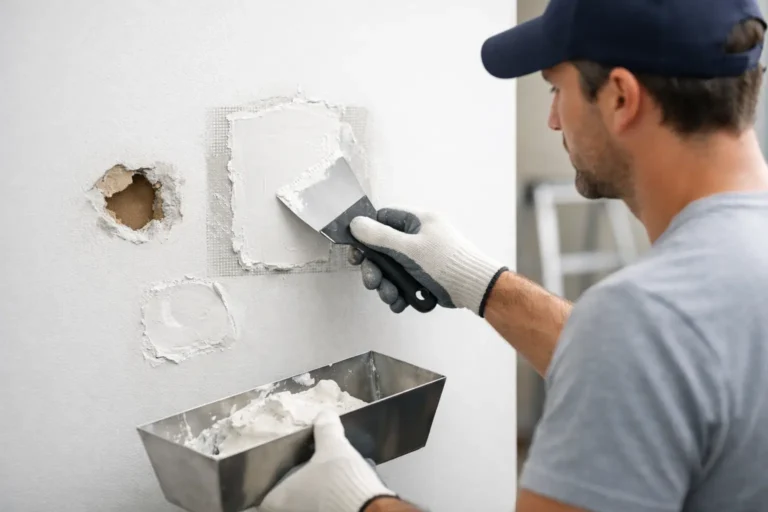
A bathroom renovation is an ideal time to address these conditions properly. Replacing a fan, rerouting ductwork, sealing gaps, repairing damaged drywall, and updating moisture-resistant finishes is easier before new tile, paint, or cabinetry is installed. It also helps protect the investment in the finished space.
When to Call a Professional
Cleaning a fan cover or setting a timer switch may be a manageable homeowner task. Electrical wiring, new vent openings, roof penetrations, duct routing, and damage repair are different matters. They require safe workmanship and a clear understanding of how the home is constructed.
Call for help if the fan vents into the attic, the bathroom has no fan, moisture damage keeps returning, or you notice a burning smell, sparking, frequent breaker trips, or excessive noise from the unit. These signs should not be ignored. A qualified professional can identify whether the right repair is a fan replacement, a duct correction, a control upgrade, or a broader moisture repair.
Smart Home Fix provides dependable residential repair and improvement support for homeowners who want the job handled professionally. As a licensed and insured local team, we can help evaluate practical bathroom upgrades that make daily life easier and protect your home.
A dry, comfortable bathroom should not depend on cracking a window and hoping for the best. A well-matched fan, a proper outdoor vent path, and consistent use can turn a damp, lingering problem into a room that is ready for the next shower.