
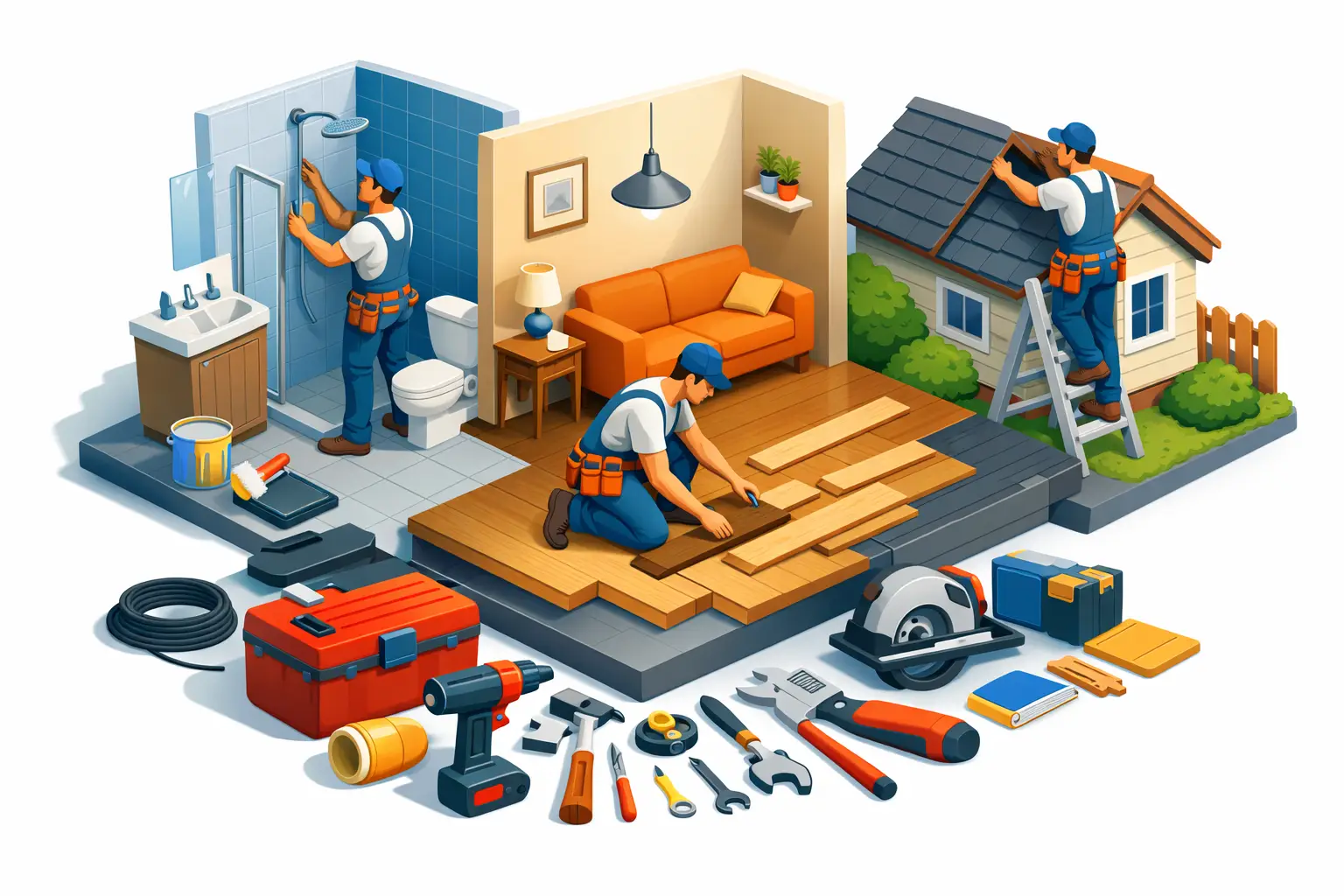
That dripping faucet has been annoying you for weeks, the loose handrail is starting to feel unsafe, and the drywall scuff in the hallway somehow keeps getting worse. This is usually the moment homeowners ask, what do handyman services include, exactly? The short answer is a wide range of repair, maintenance, and improvement tasks that keep your home working the way it should.
A handyman is often the right fit for the jobs that are too complex to ignore but too small to justify hiring multiple specialized contractors. For Knoxville homeowners, that can mean anything from fixing trim and replacing fixtures to handling punch-list repairs before guests arrive, a home goes on the market, or a renovation wraps up.
What Do Handyman Services Include for Most Homes?
Most handyman work falls into three categories: repairs, maintenance, and minor improvements. The value is not just that the work gets done. It is that several unrelated issues can often be handled in one visit, which saves time and reduces the hassle of coordinating different trades.
Repairs are the most common call. These are the everyday problems that affect comfort, safety, and function, but do not necessarily require a specialist. Think damaged drywall, sticking doors, broken shelves, loose cabinet hardware, worn caulk, or a toilet that runs constantly. A qualified handyman can diagnose the issue, make the fix, and help prevent a small problem from turning into a more expensive one.
Maintenance is the other major category. Homes need regular attention, and many tasks get postponed simply because homeowners are busy. Seasonal checkups, minor exterior repairs, fence fixes, gutter cleaning, weatherstripping replacement, and touch-up work all fit here. These are not glamorous jobs, but they matter. Deferred maintenance tends to stack up fast.
Minor improvements round out the list. This includes projects that make a home more functional, more attractive, or easier to live in. Installing new light fixtures, replacing bathroom hardware, mounting a TV, updating a backsplash, refreshing trim, or swapping out old doors can all fall under handyman services, depending on the scope.
Common Interior Handyman Jobs
Inside the home, handyman work usually centers on surfaces, fixtures, and daily-use items that wear down over time. Drywall repair is one of the most requested services because walls take a beating. Nail pops, dents, cracks, and small holes are common, especially in busy family homes. A proper repair includes patching, sanding, and finishing so the wall looks right again, not just covered up.
Doors and windows are another frequent area of concern. When a door will not latch, drags across the floor, or has damaged trim, it affects more than appearance. The same goes for drafty windows, broken locks, or worn weatherstripping. These are straightforward fixes in many cases, but they require the right tools and a careful touch.
Homeowners also call for help with kitchens and bathrooms, where small issues can quickly become frustrating. Cabinet adjustments, hardware replacement, caulking, fixture swaps, toilet repairs, and vanity updates are all common. If the work stays within a handyman’s scope and does not require a licensed specialty trade beyond what is allowed, these projects can be handled efficiently.
Flooring transitions, baseboards, trim replacement, shelving, curtain rod installation, ceiling fan swaps, and furniture assembly also fit the category. None of these are major renovations on their own, but together they can make a big difference in how finished and functional a space feels.
Exterior Work a Handyman May Handle
Exterior issues tend to get put off until they become impossible to ignore. That is understandable, especially when the fix seems small. But outside the home, even a minor repair can lead to water damage, wood rot, or safety concerns if it is left alone too long.
A handyman may handle siding repairs, trim replacement, deck board repair, fence maintenance, gate alignment, porch touch-ups, and exterior caulking. Weather exposure creates constant wear, and these smaller jobs are often ideal for a handyman because they require broad repair knowledge rather than a large crew.
Gutter cleaning and minor gutter repairs are also common, especially during seasonal transitions. Loose fasteners, small leaks, and clog-related overflow can all affect how water moves away from the house. The same practical approach applies to exterior doors, shutters, mailbox posts, and pressure washing in some cases.
It depends, though, on the condition of the home and the scale of the damage. If a deck has major structural problems or siding damage extends into a larger rebuild, a more specialized contractor may be the better choice. A good handyman will be clear about where that line is.
Small Upgrades That Make a Big Difference
Not every handyman call is about something broken. Many homeowners use handyman services to knock out the upgrades that have been sitting on a to-do list for months.
That might mean replacing outdated light fixtures, installing a new faucet, updating bathroom accessories, hanging wall art or mirrors, adding storage solutions, or improving a laundry room. It can also mean finishing the details after a larger remodel, such as touch-up carpentry, trim work, punch-list corrections, or fixture installation.
This is where a broad-service company stands out. When one team can help with both repair work and improvement projects, homeowners do not have to separate every task into a different category or call three different businesses to finish one room.
For homeowners who want practical upgrades without the complexity of a full renovation, this kind of support can make life easier. It is efficient, and it helps you maintain momentum instead of letting projects stall halfway through.
What Handyman Services Usually Do Not Include
Knowing what do handyman services include is helpful, but so is knowing what they may not include. The answer depends on local regulations, licensing requirements, and the individual company.
In general, a handyman is best for non-structural work, general repairs, and smaller improvement projects. Jobs involving major electrical changes, extensive plumbing modifications, HVAC system work, roof replacement, or large structural changes may require a specialized licensed contractor. In some situations, even if a handyman has the skill to complete part of the work, code requirements or permit rules may determine who should handle it.
That is not a limitation so much as a sign of professionalism. Homeowners should want a service provider who understands the boundaries of the job and treats safety seriously. Licensed and insured companies are especially valuable here because they bring accountability as well as experience.
How to Tell If a Handyman Is the Right Fit
A simple rule is this: if your project involves repair, upkeep, or a modest upgrade and does not require a large specialty crew, a handyman is often a smart first call. That includes jobs that are individually small but collectively time-consuming. Many homeowners wait because none of the tasks seem urgent on their own. Then the list grows.
A handyman is also a strong fit when convenience matters. Instead of spending weekends making multiple hardware store trips, searching videos, and juggling half-finished fixes, you can have a professional handle the work correctly and efficiently.
For older homeowners, busy families, and property owners with recurring maintenance needs, the value goes beyond labor. It is peace of mind. You know the work is being done by someone who understands homes, notices related issues, and can help prioritize what should be fixed now versus later.
Why Experience and Trust Matter
Not all handyman services operate at the same level. Some focus only on quick fixes. Others bring a more complete home repair and improvement background, which makes a difference when projects overlap.
For example, a bathroom issue may involve caulking, trim repair, fixture replacement, drywall patching, and finish work. That is more than a one-task visit. It requires versatility and judgment. The same goes for preparing a house for sale, tackling deferred maintenance, or cleaning up a list of repairs after tenants move out.
Working with a licensed and insured provider matters because your home is your biggest investment. Professionalism shows up in the details – clear communication, realistic timelines, quality workmanship, and respect for your property. That is the standard homeowners should expect from trusted local experts.
Companies like Smart Home Fix are built around that idea. The smarter approach is not just doing the work. It is helping homeowners solve multiple problems with one reliable service call.
A Better Way to Think About Handyman Services
Instead of viewing handyman work as just patch-and-go labor, it helps to think of it as practical home support. The right service can take care of the repairs you have been putting off, the maintenance your home needs to stay in shape, and the smaller upgrades that make your space work better.
If something in your home is worn out, loose, damaged, unfinished, or simply no longer working the way it should, there is a good chance a handyman can help. And if the project turns out to need a different kind of specialist, a professional will tell you that upfront. That kind of honesty is part of good service.
A well-maintained home rarely happens by accident. It happens when small problems are handled before they turn into bigger ones, and when you have dependable help you can call without overcomplicating the process.