A bathroom does not have to be gutted to feel noticeably better every morning. The top bathroom upgrades without a full remodel often solve the small frustrations homeowners live with for years: dim lighting, worn caulk, limited storage, dripping fixtures, and surfaces that never quite look clean. With the right improvements, you can make the room more functional, comfortable, and polished while avoiding the disruption of a major renovation.
For Knoxville-area homeowners, this approach can be especially practical when the layout already works. Instead of moving plumbing or tearing out walls, focus on updates that improve how the space looks, feels, and performs every day.
Start With the Problems You Notice Most
Before choosing finishes, spend a few days paying attention to how the bathroom functions. Is the mirror poorly lit when you are getting ready? Do towels have nowhere to dry? Does the vanity cabinet stick, leak, or offer little usable storage? Is the exhaust fan loud enough that no one wants to use it?
A successful upgrade plan starts with these daily pain points. New hardware may improve appearance, but it will not fix a fan that leaves moisture on the walls or a faucet that has been slowly dripping into the cabinet below. Addressing function first gives every cosmetic improvement more value.
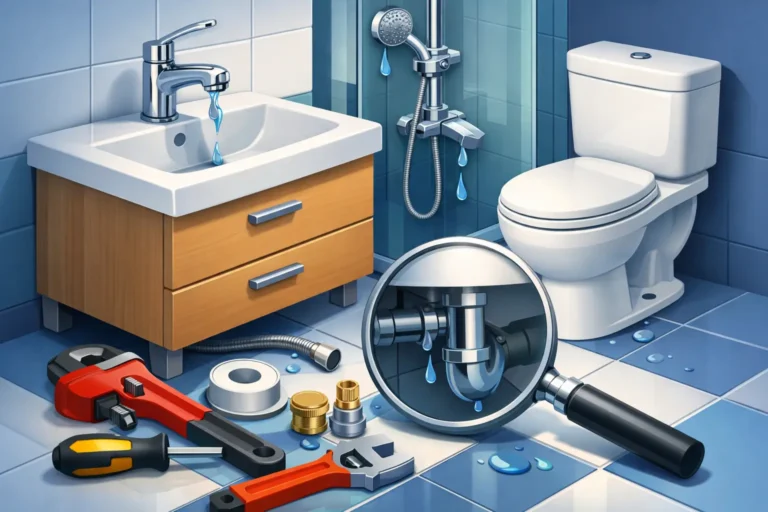
It also helps to distinguish between an update and a hidden repair. Soft flooring around a toilet, recurring wall stains, persistent mildew, or water damage inside a vanity may point to a leak. Those issues should be assessed and repaired before new finishes are installed.
Top Bathroom Upgrades Without a Full Remodel
Replace Tired Fixtures and Hardware
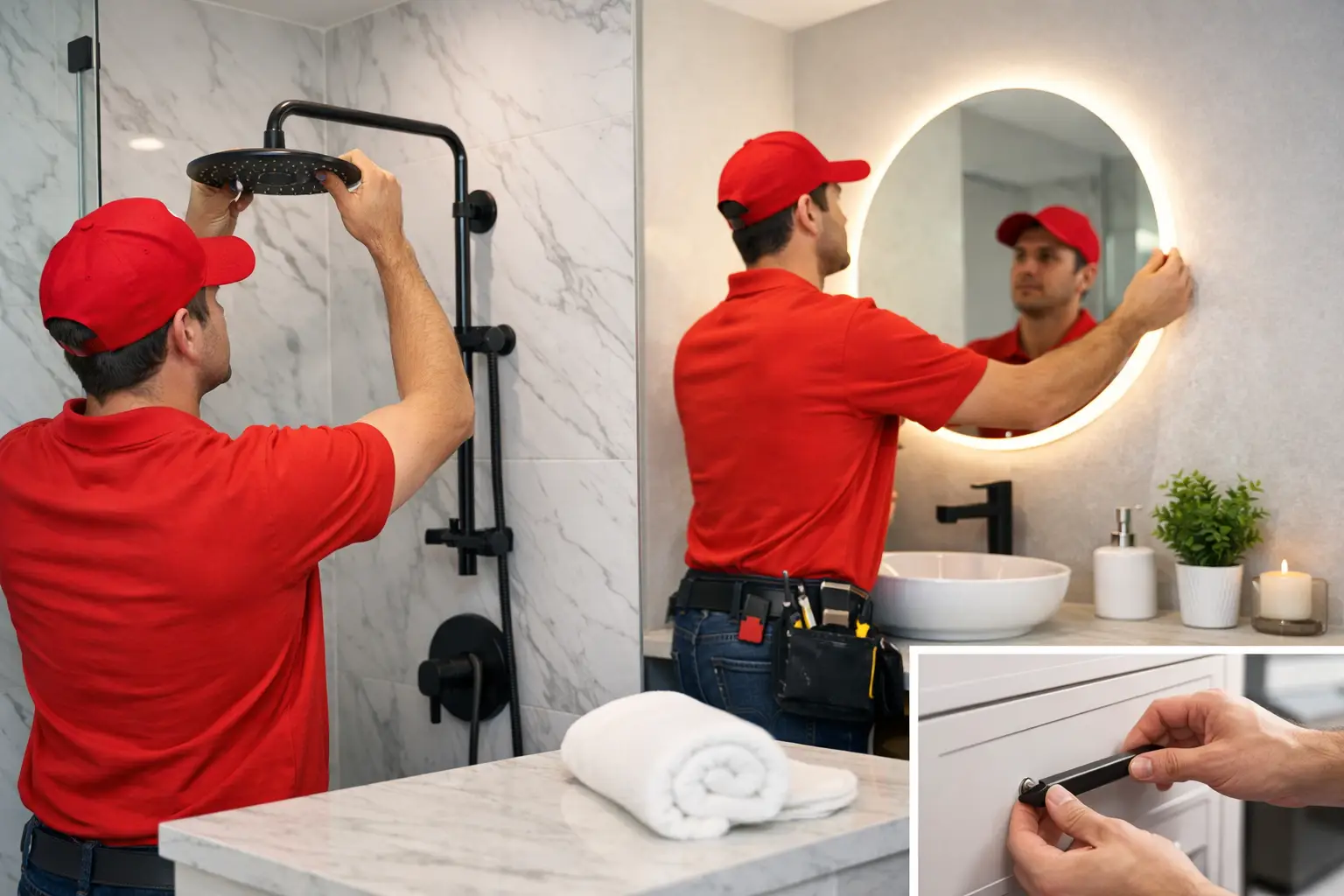
Replacing faucets, showerheads, towel bars, toilet paper holders, and cabinet pulls can change the character of a bathroom quickly. These pieces are touched and seen every day, so worn finishes and loose hardware make even a clean room feel dated.
Choose finishes with the rest of the room in mind. Brushed nickel is forgiving and familiar, while matte black can provide contrast in a lighter bathroom. Warm brass can work well, too, but it needs to feel intentional rather than like a one-off replacement. Matching every finish exactly is not always necessary, but the choices should look coordinated.
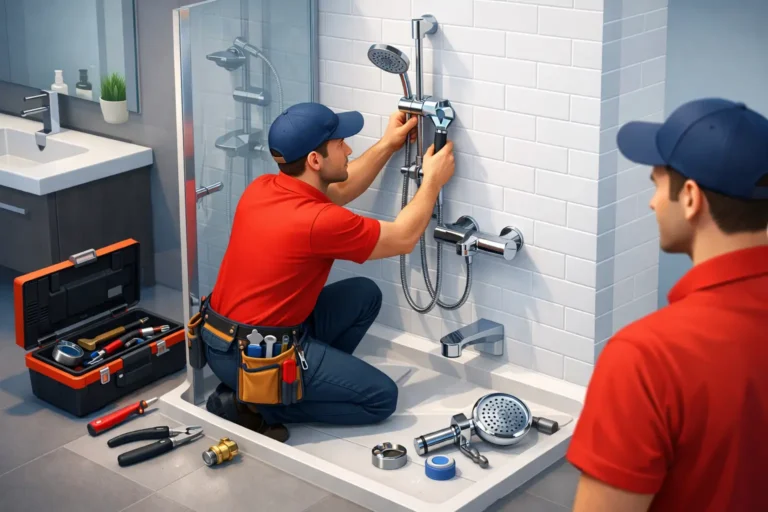
A new showerhead is a particularly useful upgrade when water flow is uneven or the existing fixture is difficult to clean. For households with different needs, a handheld model can make bathing children, cleaning the shower, and aging in place easier. The trade-off is that installation may require checking the existing shower arm and connections so the new fixture fits properly and does not leak.
Improve Lighting Where It Counts
Bathroom lighting has two jobs: helping you see clearly and making the room feel inviting. Many bathrooms rely on a single ceiling fixture that creates shadows at the mirror, especially around the eyes and chin. Adding or replacing vanity lighting can make grooming easier while giving the room a more finished appearance.
Aim for even light at the mirror rather than a harsh fixture directly overhead. A well-sized vanity light or side-mounted fixtures can reduce shadows significantly. Bulbs also matter. A neutral white light generally works better for daily routines than overly warm or overly cool light.
If a new fixture requires wiring changes, use a qualified professional. Electrical work in a moisture-prone room deserves careful attention to proper boxes, connections, and placement. This is not the project to treat as a quick cosmetic swap if the existing wiring is outdated or questionable.
Upgrade the Vanity Instead of Rebuilding the Room
The vanity often takes up the most visual space in a bathroom. If the cabinet is structurally sound, refinishing it, installing new doors or hardware, or replacing the countertop can create a major change without altering the plumbing layout.
If the vanity is too small, damaged, or poorly organized, replacing it may be the smarter move. Look for storage that fits how your household actually uses the room: drawers for smaller items, a deeper cabinet for cleaning supplies, or an open shelf for rolled towels. A taller vanity can also be more comfortable for many adults, although it may need to work around the existing mirror and backsplash.
Be realistic about what the wall and floor will reveal. A replacement vanity may expose unfinished flooring, old paint lines, or plumbing locations that do not align with the new cabinet. A professional can help plan for those details so the upgrade looks complete rather than patched together.
Refresh Walls, Grout, and Caulk
Fresh paint is one of the most effective ways to brighten a bathroom, but preparation matters more than the paint color. Bathrooms collect moisture, residue, and occasional mildew, particularly near showers and around ventilation problems. Clean and repair the surface first, then use a paint intended for humid spaces.
Grout and caulk deserve equal attention. Discolored grout can make tile look older than it is, while cracked or missing caulk around a tub, shower, or vanity can allow water where it does not belong. Regrouting small areas or refreshing caulk lines can make a shower look cleaner and help protect surrounding materials.
This is a detail-oriented project. Uneven caulk lines and grout haze are highly visible in a small bathroom. If you want a clean finish without spending a weekend on your knees, this is a practical task to hand to an experienced handyman.
Add Storage That Clears the Counter
Counter clutter makes a bathroom feel smaller and harder to clean. The answer is not always a larger vanity. A recessed medicine cabinet, wall-mounted cabinet, over-toilet shelving, or a slim linen cabinet can add useful storage with less impact on the room.
Think carefully about clearance before adding anything. A cabinet door should not collide with a light fixture, toilet tank, or another door. In a narrow bathroom, shelves may be a better choice than a deep cabinet. Open shelving is convenient for towels, but it requires tidy habits. Closed storage hides everyday items and creates a calmer look.
Small additions can help, too. Hooks behind the door, a second towel bar, and a well-placed toilet paper holder can improve the room without taking up valuable floor space. These are simple upgrades, but they make busy mornings easier for families and guests alike.
Make Ventilation a Priority
A bathroom fan rarely gets attention until it fails, yet it is one of the most valuable upgrades in the room. Proper ventilation helps remove humidity that contributes to peeling paint, lingering odors, mold growth, and moisture damage.
If the current fan is loud, weak, or does not seem to clear steam after a shower, it may be time for replacement or repair. The right solution depends on the size of the room, the duct path, and whether the fan vents properly to the exterior. Installing a more powerful fan without addressing a blocked or poorly routed duct may not solve the problem.
Consider a timer switch or humidity-sensing control as part of the upgrade. These options encourage the fan to run long enough after a shower, even when everyone is rushing out the door. It is a modest change that protects the bathroom finishes you have already invested in.
Do Not Overlook Accessibility and Comfort
The best bathroom updates support the people using the room now and in the future. A comfort-height toilet, secure grab bars, a handheld showerhead, lever-style faucet handles, and better lighting can make a bathroom easier to use for older homeowners, visitors, and anyone recovering from an injury.
Grab bars should be installed into appropriate framing or with approved anchoring methods, not simply screwed into drywall. When chosen in a finish that matches the rest of the hardware, they can look like a purposeful design feature rather than an afterthought.
Plan the Work in the Right Order
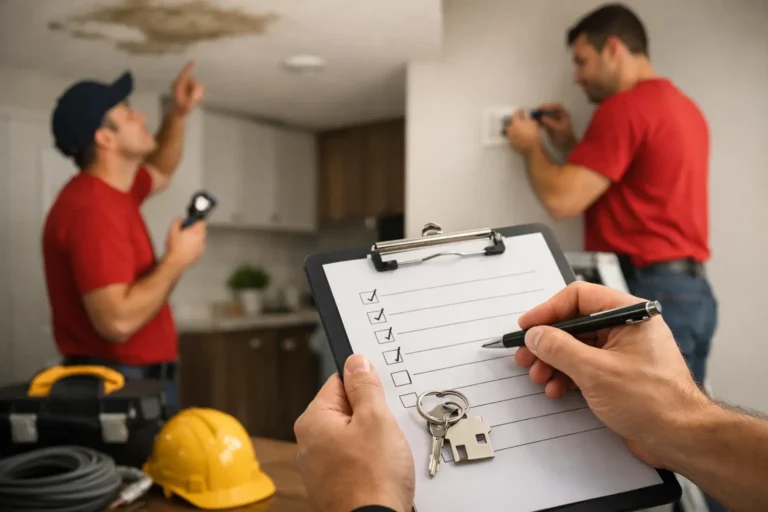
Even a small bathroom upgrade benefits from a sequence. Repair water issues and ventilation concerns first. Then complete work that may affect walls, such as electrical changes or vanity replacement. Finish with paint, fixtures, hardware, mirrors, and accessories.
This order reduces the chance of damaging fresh paint or installing a new vanity before an old leak has been resolved. It also makes it easier to decide where professional help will save time and prevent costly rework. Smart Home Fix provides licensed and insured support for homeowners who want dependable help coordinating bathroom repairs and upgrades without turning the project into a full renovation.
A better bathroom is often less about dramatic demolition and more about removing the daily annoyances that have become normal. Start with the issue you notice first, choose upgrades that improve both function and finish, and let each thoughtful improvement make the room easier to live with.