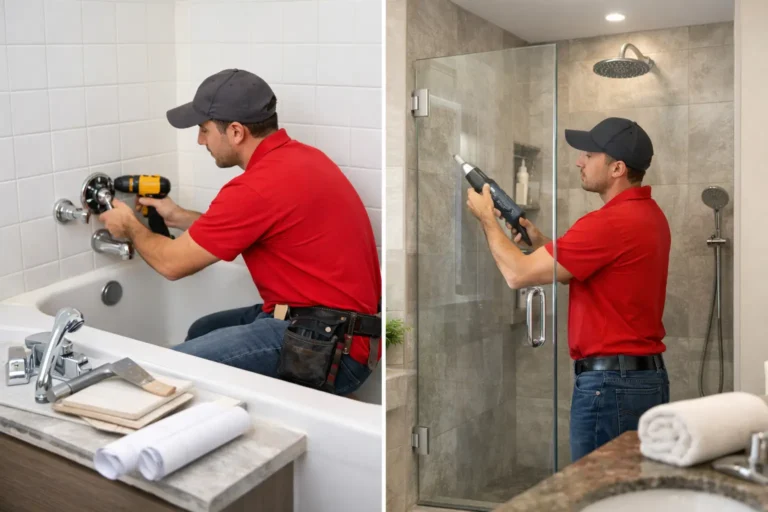
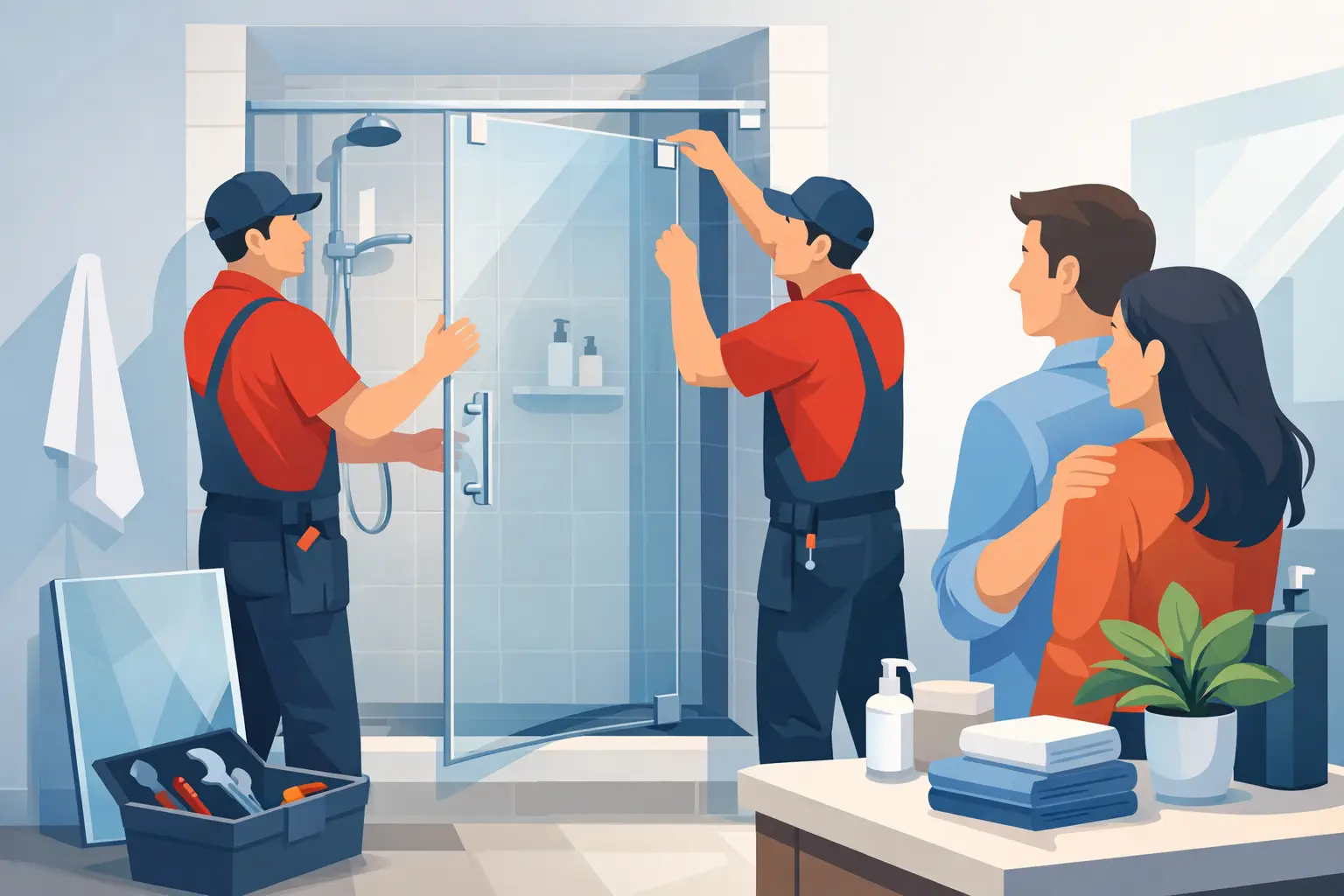
A shower door can make a bathroom feel clean and current, or it can become the one feature you notice every morning for the wrong reasons. This shower door replacement review looks beyond appearance to the details that determine whether a new enclosure performs well: proper measurements, compatible hardware, solid wall support, and an installation that keeps water where it belongs.
For Knoxville-area homeowners, replacement is often prompted by more than a cracked panel. Corroded hinges, cloudy glass, a door that drags, recurring leaks, or an outdated frame can all turn a daily-use fixture into a maintenance problem. The right replacement should improve function as much as the room’s appearance.
When a Shower Door Should Be Replaced
Some shower door issues can be corrected with a new sweep, adjusted rollers, fresh caulk, or replacement hardware. Those repairs make sense when the glass is sound, the frame is secure, and the door still fits the opening correctly. A full replacement is usually the better long-term choice when several components are failing at once.
Visible damage to tempered glass calls for immediate attention. Chips at the edges, deep scratches, cracks, or loose glass are not cosmetic issues. Tempered glass is designed to break into small pieces rather than sharp shards, but it should never be left in service once its integrity is in question.
Leaks deserve a closer look, too. Water may be escaping because a bottom sweep has worn out, but it can also point to a door that was installed out of square, a damaged curb, failing seals, or walls that have shifted slightly over time. Replacing the door without identifying the source of the leak can leave the same problem behind.
Shower Door Replacement Review: What Makes One a Good Choice?
The best door is not automatically the thickest glass or the most decorative hardware. It is the door that suits the shower layout, can be installed securely, allows comfortable access, and is realistic to maintain. A beautiful frameless door can be a great fit for a tiled walk-in shower, while a framed or semi-frameless option may be more practical for a compact tub-shower combination.
Start With the Opening, Not the Style
Every replacement decision begins with the shower opening. Width, height, wall condition, curb depth, tile layout, and the direction the door can swing all affect what will work. Bathrooms are rarely perfectly square, especially in older homes, so measurements should be taken at more than one point.
A swinging door needs enough clearance to open without striking a toilet, vanity, towel bar, or nearby wall. Sliding doors conserve floor space, but their tracks require regular cleaning and may limit the size of the entry opening. Fixed panels paired with a hinged door create a more open look, though the shower must be designed to contain splash without relying on a full enclosure.
This is where a professional evaluation helps prevent an expensive mismatch. A door that looks right in a showroom or photo may not accommodate the specific walls and fixtures in your bathroom.
Glass Thickness and Safety Matter
Most residential shower doors use tempered safety glass. This is the expected material for an enclosure because it is made to break more safely than ordinary glass if it fails. Homeowners should still look for quality finishing around the edges and proper support at hinges, clips, and tracks.
Thicker glass often feels more substantial and can support the clean lines associated with frameless doors. However, heavier glass also places greater demands on the mounting surface. Hinges and fasteners must be installed into appropriate structural backing, not simply secured to tile or drywall. A heavier panel is not an upgrade if the surrounding construction cannot support it correctly.
Clear glass remains a popular choice because it makes a bathroom feel larger and highlights tile work. Patterned, frosted, or tinted glass offers more privacy and can hide water spots better. The better option depends on who uses the bathroom and how much daily cleaning you want to take on.
Framed, Semi-Frameless, or Frameless?
A framed shower door uses metal channels around the glass. It is a dependable choice for many openings and typically has more built-in adjustment for walls that are not perfectly plumb. The trade-off is a more visible frame and additional corners where soap residue can collect.
Semi-frameless doors reduce the amount of visible metal while retaining framing in selected areas. They offer a balanced option for homeowners who want a more updated appearance without requiring every condition needed for a fully frameless system.
Frameless doors use thicker glass and minimal hardware, creating an open, custom appearance. They work especially well when the tile, shower pan, and wall surfaces are in good condition. They also require precise installation. Small measurement errors, weak wall backing, or an uneven curb are more noticeable and more difficult to correct with a frameless design.
Installation Details That Protect Your Bathroom
A shower door is only as reliable as the installation behind it. Even a well-made door can leak, bind, or loosen when it is installed without proper preparation.
First, the mounting area should be inspected. Tile can conceal loose backer board, water damage, or insufficient blocking behind the wall. Drilling through tile requires care to avoid cracking it, and the fasteners must anchor into a stable surface. If wall repairs are needed, it is better to address them before new glass and hardware are in place.
The shower curb also needs attention. It should slope slightly toward the shower so incidental water returns to the drain rather than running onto the bathroom floor. Door sweeps, gaskets, and seals need to be fitted correctly, but they are not a substitute for proper shower construction.
Caulk is another detail that deserves more respect than it gets. The appropriate areas should be sealed neatly to prevent water from reaching vulnerable gaps, while weep paths and drainage features in framed systems must remain clear. Over-caulking every joint can trap water inside a track and create a new issue.
A careful installer will check the door’s movement before finishing. It should open and close smoothly, align evenly, and sit securely without rubbing. For sliding systems, rollers should move cleanly and the panels should not jump the track. These checks are simple, but they reveal whether the work has been completed with long-term use in mind.
Maintenance Is Part of the Decision
No shower door is completely maintenance-free. The goal is to choose one that matches your routine. Clear glass needs regular wiping to reduce mineral deposits, particularly in homes with hard water. A small squeegee used after showering can make a meaningful difference in how long the glass stays clear.
Framed doors have more channels and seals to clean. Frameless doors have fewer tracks, but their exposed glass makes spots more visible. Avoid abrasive pads and harsh products that can damage glass coatings, metal finishes, or seals. A mild cleaner and soft cloth are usually the safer choice.
Hardware should be checked periodically for looseness, corrosion, or wear. Catching a worn sweep or a stiff hinge early can help protect the floor and prevent a minor adjustment from becoming a replacement project.
Questions to Ask Before Scheduling the Work
Before choosing a replacement door, ask whether the current shower opening is square and structurally ready, whether the door style will provide enough access, and whether the selected finish will coordinate with existing fixtures. Also consider who will use the shower. A high threshold, narrow opening, or heavy swinging panel may be less convenient for children, older adults, or anyone with mobility concerns.
It is also wise to decide whether the shower itself needs attention first. Loose tile, deteriorated grout, a damaged pan, or recurring moisture outside the enclosure should be repaired before a new door is installed. A replacement door finishes the space, but it cannot correct hidden water damage or a failing shower base.
For homeowners who want dependable help evaluating the opening and completing the work, Smart Home Fix brings licensed and insured experience to bathroom repairs and improvements. The goal is a door that looks right, operates properly, and helps make your everyday routine easier.
A good shower door replacement should feel unremarkable after installation: it opens smoothly, keeps water contained, and gives the bathroom a clean finish without demanding constant attention. Taking time to match the door to the shower’s actual conditions is what makes that result last.