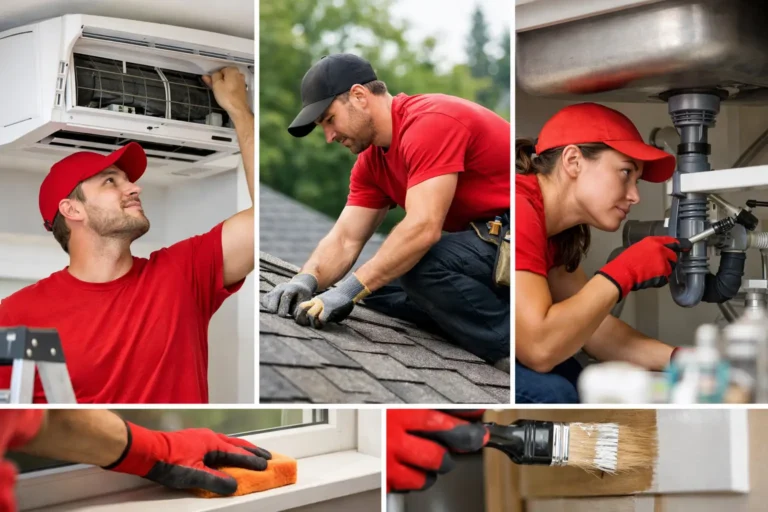
A dripping pipe under the sink, a sticking back door, cracked caulk in the shower, and a gutter pulling away from the roof can all show up at once. That is usually when homeowners start asking how to prioritize home repairs without wasting time, letting damage spread, or feeling buried by a growing to-do list.
The good news is that most repair decisions get easier once you stop looking at everything as equally urgent. Some problems are true priorities because they affect safety or can lead to bigger damage fast. Others are worth fixing soon, but they can wait long enough for you to plan the work properly.
The smartest approach is not to start with what is most annoying. It is to start with what protects the home, the people in it, and the systems you depend on every day.
How to prioritize home repairs without guesswork
A useful way to sort repairs is to ask four questions. Is it unsafe? Is it actively causing damage? Will it become much more expensive or disruptive if you wait? Does it affect daily function in a major way?
If the answer is yes to any of the first three, that repair belongs near the top of the list. If the issue mainly affects convenience or appearance, it usually belongs lower down, even if it bothers you every time you see it.
This matters because homes rarely need just one thing. They need a sequence. A homeowner who spends time and energy on cosmetic updates while ignoring moisture, electrical problems, or failing exterior materials often ends up doing work twice.
Start with safety issues first
Safety always comes first, even when the problem looks small. Loose handrails, damaged steps, faulty outlets, exposed wiring, broken locks, gas-related concerns, and water near electrical components are not items to postpone.
These repairs deserve immediate attention because the cost of waiting is not just damage to the house. It can be injury, loss of access, or a serious system failure. A cracked porch step may seem minor until someone trips. A wobbling ceiling fan may seem manageable until it is not.
If you are unsure whether something is a true safety concern, treat uncertainty as a reason to move faster, not slower. A licensed and insured professional can help you confirm what needs urgent action and what can be scheduled.
Next, stop active water damage
If safety is the first category, water is usually the second. Leaks and moisture problems are some of the most expensive issues to ignore because they spread quietly. By the time stains show up on drywall or trim begins to swell, the damage may already extend behind the surface.
Roof leaks, plumbing leaks, failing grout or caulk in wet areas, damaged siding, clogged gutters, and poor drainage all belong high on the list. Water does not stay put. It moves into framing, subfloors, insulation, and finishes, turning a repairable issue into a much larger project.
This is one place where homeowners often lose time. They notice a symptom, such as peeling paint or a soft baseboard, and put it in the cosmetic category. In reality, the visible issue may be less important than the source behind it.
Separate structural and system repairs from cosmetic work
Once immediate safety and active damage are addressed, focus on repairs that protect the home’s core systems and structure. These are the elements that keep the house sound, dry, secure, and functional.
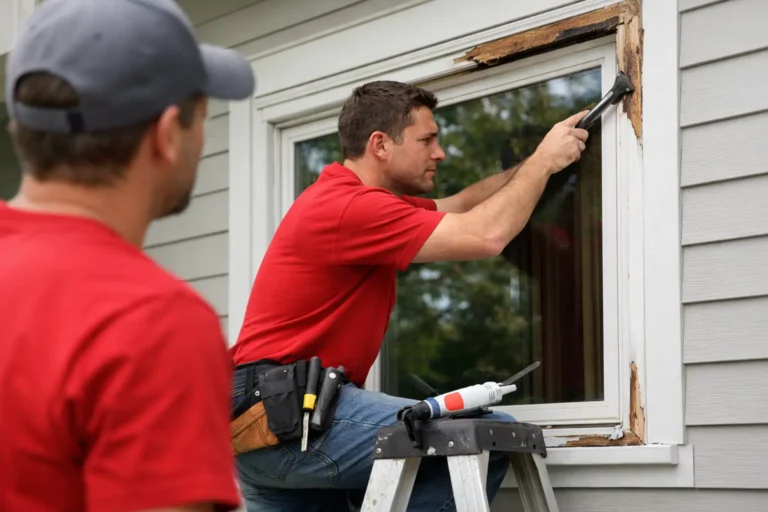
That can include deteriorating exterior trim, failing deck boards, doors or windows that no longer close properly, damaged flooring with soft spots, sagging shelving anchored poorly, or drywall cracks that point to movement worth checking. It also includes key systems that affect daily use, such as plumbing fixtures that no longer work correctly or ventilation problems in bathrooms and laundry areas.
Cosmetic issues matter, but they belong after these categories. Scuffed paint, outdated hardware, small drywall blemishes, or trim that needs touch-up may be frustrating, but they rarely outrank repairs tied to moisture, stability, or function.
There is one exception. Sometimes cosmetic damage points to a deeper issue. Freshly repainting a wall with recurring stains or patching the same crack over and over is not really cosmetic work. It is delayed diagnosis.
Function matters more than frustration
Some repairs are not dangerous, but they interfere with daily life enough that they should move up the schedule. A bathroom fan that no longer clears moisture, a door that will not latch, a broken cabinet hinge in a heavily used kitchen, or a damaged section of flooring in a busy hallway can all make a home harder to live in.
These are not always emergencies, but they do affect comfort, routine, and wear on the rest of the home. The key is to judge them by impact, not irritation. The guest room closet door that sticks occasionally can wait. The exterior door that does not close securely should not.
Use a simple priority system
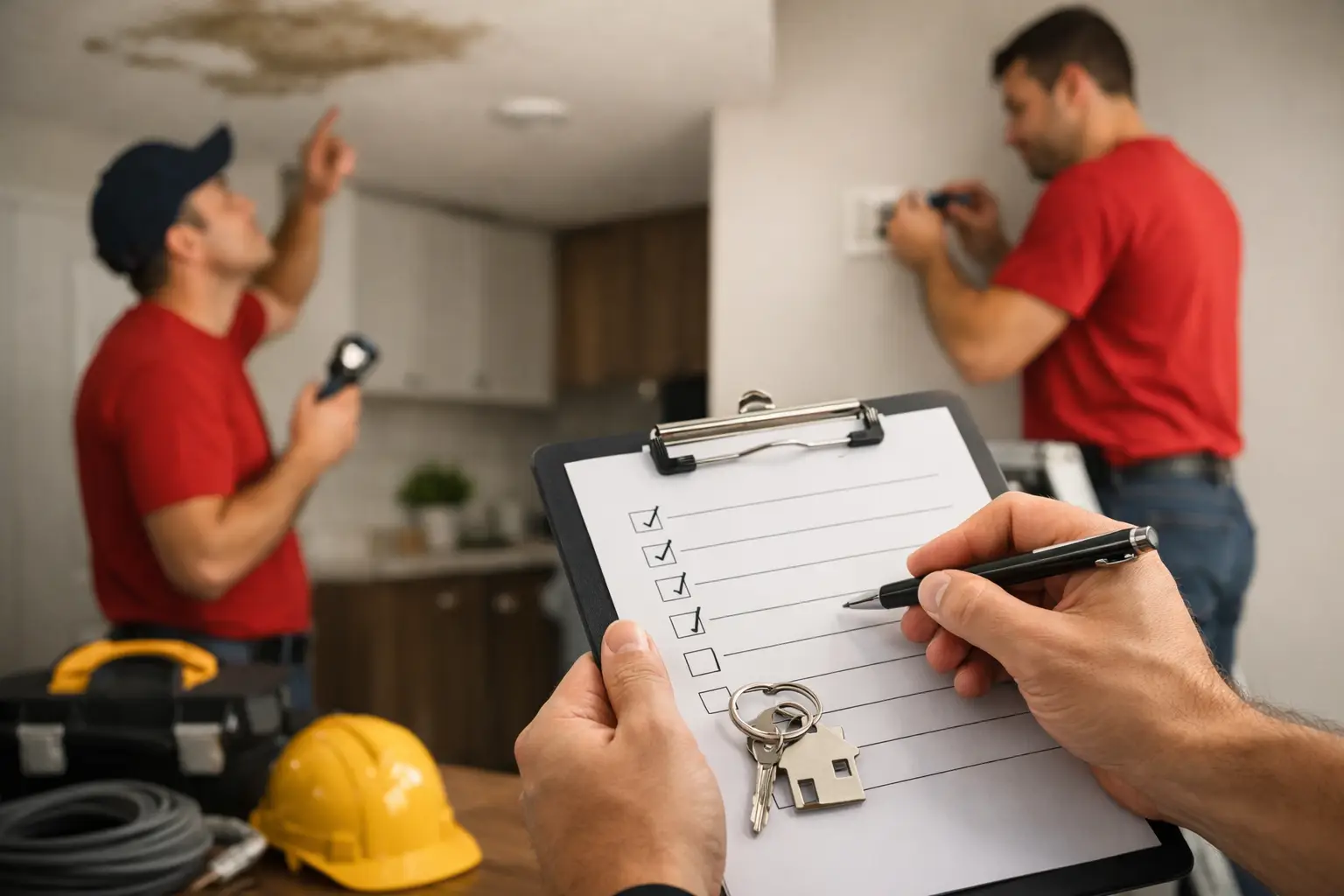
If your repair list is long, assign every item to one of three groups: now, next, and later. This keeps you from treating ten different issues with the same urgency.
Now means anything unsafe, actively leaking, structurally concerning, or likely to create rapid damage. Next means important repairs that affect function, efficiency, or wear but are not causing immediate harm. Later means cosmetic updates and lower-impact fixes that can be bundled into a future visit or larger improvement plan.
This kind of sorting helps homeowners make better decisions because it turns stress into sequence. It also makes it easier to speak with a handyman or repair professional clearly about what needs immediate attention and what can be grouped for efficiency.
Bundle the right repairs together
Prioritizing does not always mean handling one issue at a time. In many homes, it makes sense to group related repairs once the urgent items are covered.
For example, if you already need drywall repaired from a minor leak, it may also be a smart time to address trim damage in the same area or repaint the wall once the source problem is fixed. If you are replacing damaged exterior boards, you may want to include nearby caulking, sealing, or hardware updates while access is straightforward.
The trade-off is that bundling should follow priorities, not replace them. It is smart to combine related work. It is not smart to delay a needed repair for months just to build a larger project list.
When seasonal timing should affect priority
Some repairs rise or fall in priority depending on the season. In East Tennessee, that can matter more than people expect. Exterior gaps, roof issues, drainage problems, and damaged weather sealing become more urgent when heavy rain or temperature swings are ahead.
That does not mean every outside repair is an emergency. It means timing changes the risk. A small siding issue in a dry stretch may hold for a short period. The same issue before a rainy season deserves faster attention.
Interior repairs can shift too. Bathroom moisture issues, ventilation concerns, and draft-related problems tend to feel more pressing when they affect comfort every day. Practical scheduling means looking at both severity and timing.
Know when a repair is no longer a DIY project
Some homeowners are comfortable handling basic maintenance, and that can be a good thing. But prioritizing repairs also means recognizing when a job needs professional attention because poor workmanship can create a second problem.
Anything involving electrical work, hidden water damage, unstable structures, ladders at risky heights, or repairs that need to be diagnosed before they are fixed should be treated carefully. A patch that only covers the symptom often leads to more disruption later.
A trusted local professional can help you sort the list, identify what is most urgent, and take care of repairs correctly the first time. That is often the smarter move when you are balancing work, family, and the reality of keeping a house in good shape.
When homeowners ask how to prioritize home repairs, the real goal is not just checking off tasks. It is protecting the home in the right order so small problems stay small, important systems keep working, and your next repair decision feels a lot less overwhelming.