A loose outlet, a flickering kitchen light, and a growing list of repairs can make one question surprisingly difficult: handyman versus electrician, who should you call? The right choice protects your home, keeps the project moving, and helps ensure the work is completed safely and properly.
For Knoxville-area homeowners, the answer usually comes down to one thing: Is the job primarily a general repair, or does it involve changing, diagnosing, or adding to your home's electrical system? A skilled handyman can solve many everyday home problems. Electrical work, however, has safety, code, and permitting requirements that often call for a qualified electrician.
The Core Difference Between a Handyman and an Electrician
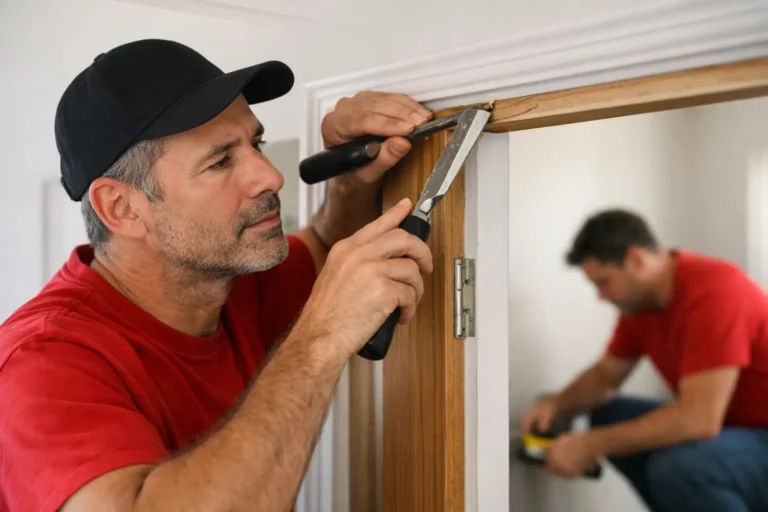
A handyman is a versatile home repair professional. Their work commonly includes carpentry, drywall repairs, door adjustments, trim, caulking, hardware installation, painting touch-ups, minor plumbing-related repairs, and project coordination for a long list of maintenance needs. The value is convenience. Instead of arranging separate appointments for several small issues, a homeowner can address them efficiently through one reliable service.
An electrician specializes in electrical systems. Their training and licensing are centered on the safe installation, repair, testing, and modification of wiring, circuits, panels, outlets, switches, and electrical equipment. Electricians understand electrical load calculations, grounding, circuit protection, local code requirements, and the permits or inspections that may apply.
The distinction matters because electrical work is not simply about whether a light turns on after the job is done. A connection that appears to work can still create a shock hazard, overheat inside a wall, overload a circuit, or fail inspection later.
Handyman Versus Electrician: Start With the Scope
A good rule is to look past the visible problem and consider what the repair requires behind the wall, ceiling, or electrical box. If the job involves the home's wiring, a breaker panel, a new circuit, or an unexplained electrical issue, an electrician is usually the right professional.
A handyman is often a practical choice when the work is mainly structural, cosmetic, or maintenance-related. For example, they may repair wall damage after an electrical repair, install shelving near an existing outlet without altering the outlet, replace damaged trim around a switch plate, secure a loose ceiling medallion, or improve access to an attic, crawl space, or utility area.
The exact scope a handyman may perform varies by the professional's qualifications and by applicable state and local requirements. Homeowners should never assume that a routine-looking task is automatically appropriate for general repair work. Ask what the job includes, whether wiring will be touched, and whether permits or inspections may be needed.
Jobs That Usually Call for an Electrician
Some electrical issues are clear signs that specialized service is needed. Call an electrician for recurring breaker trips, warm or discolored outlets, buzzing switches, burning odors, sparks, shocks from appliances or fixtures, or lights that dim when larger appliances start.
You should also use an electrician when adding a circuit, upgrading a panel, moving or installing outlets, hardwiring equipment, replacing damaged wiring, installing major electrical components, or correcting code-related problems. Bathroom, kitchen, garage, outdoor, and laundry-area electrical work can have additional protection requirements, such as GFCI protection, that must be handled correctly.
If your home is older, caution is especially worthwhile. Previous renovations may have left behind concealed junction boxes, outdated wiring methods, overloaded circuits, or repairs that were not completed to current standards. An electrician can diagnose the full issue rather than simply address the symptom you can see.
When a Handyman Is the Better Fit
Not every home improvement project needs a specialty trade. A handyman is well suited for the jobs that make a home safer, more functional, and better maintained without changing the electrical system.
That can include repairing drywall after an electrician opens a wall, patching and painting ceiling areas around an existing fixture, installing grab bars in appropriate locations, adjusting doors that do not latch, replacing rotted exterior trim, fixing cabinet hardware, mounting curtain rods, or completing a punch list after a renovation. These tasks may be small individually, but they add up quickly for busy homeowners.
A handyman can also help prepare a space for an electrician. Clearing access to a panel, opening non-electrical finishes when appropriate, repairing access panels, or restoring walls after the electrical work is complete can make the overall project easier to manage.
Do Not Judge the Job by Its Size
A small electrical problem is not necessarily a simple one. Replacing a single outlet cover is different from repairing the outlet behind it. Hanging a decorative item near a light is different from adding a new ceiling box or connecting a fixture to wiring. The visible task may take only a few minutes, while the safe repair requires diagnosis, proper materials, and knowledge of the circuit.
This is where homeowners can avoid a costly mistake. Do not choose a handyman or electrician based solely on the size of the job. Choose based on the risk and the type of work involved.
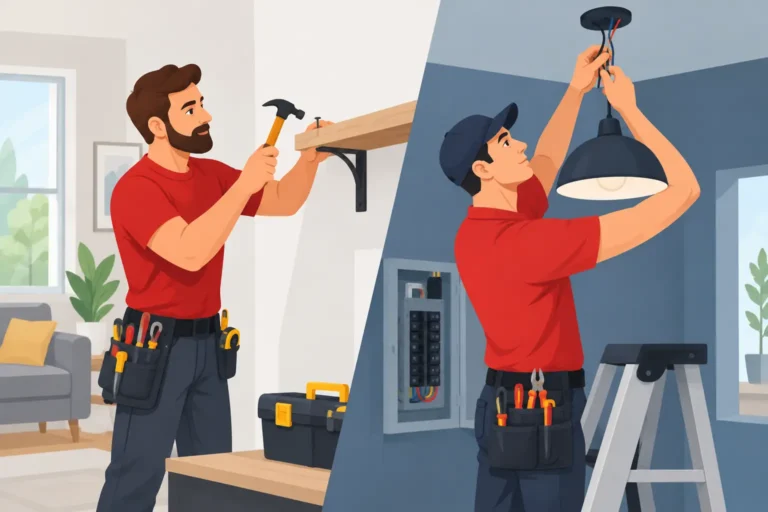
A one-room remodel shows how both professionals may have a role. An electrician may handle the wiring, outlets, lighting connections, and any required permit work. A handyman may handle drywall repair, trim, paint, shelving, cabinet adjustments, and finishing details. Using each professional for the right portion of the project produces a cleaner result and reduces the chance of rework.
Questions to Ask Before Scheduling Service
A short conversation can clarify the proper next step. Describe what you are seeing, when it started, and whether the issue is getting worse. Mention any recent renovations, water leaks, storms, appliance changes, or breaker trips. These details can help identify whether the concern is electrical or whether it may have a simpler cause.
Ask whether the work will involve electrical wiring or circuit connections. Ask whether a permit or inspection is likely to be required. If the project includes both repair work and electrical work, ask how the scopes will be separated and who is responsible for each part.
It is also wise to confirm insurance, qualifications, and experience relevant to your project. A dependable professional should be direct about what they can handle, what requires a licensed electrical trade, and how the work will be completed. Clear answers are a sign of good project planning, not an inconvenience.
Warning Signs That Should Not Wait
Certain problems deserve immediate attention. Turn off power at the breaker if it can be done safely, avoid using the affected outlet or fixture, and contact an electrician promptly if you notice a burning smell, smoke, sparking, melted plastic, repeated breaker trips, exposed wires, or an outlet that feels hot.
Water and electricity require added caution. If a leak reaches a light fixture, outlet, panel, or extension cord, do not touch the electrical component. Keep people away from the area and arrange for qualified help. The goal is not to troubleshoot from a distance. It is to prevent a manageable repair from becoming a serious hazard.
A Smarter Way to Plan Home Repairs
The best home service decisions are not about finding one person for every task. They are about matching the professional to the work. A handyman can be the trusted, efficient choice for broad repair lists, upkeep, and finishing work. An electrician is the right choice whenever the safety and integrity of your electrical system are part of the repair.
For homeowners who have several projects competing for attention, start by separating electrical concerns from general maintenance. Then address the repair list in a logical order: protect safety first, complete specialty work where needed, and finish the surrounding repairs afterward. Smart Home Fix can help Knoxville homeowners move the general repair and improvement side of that plan forward with dependable, licensed and insured service - making home maintenance easier without asking one professional to do work outside the right scope.