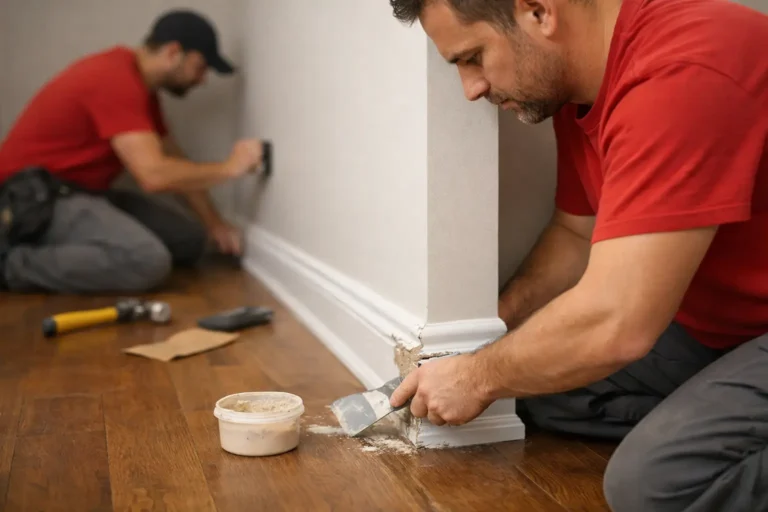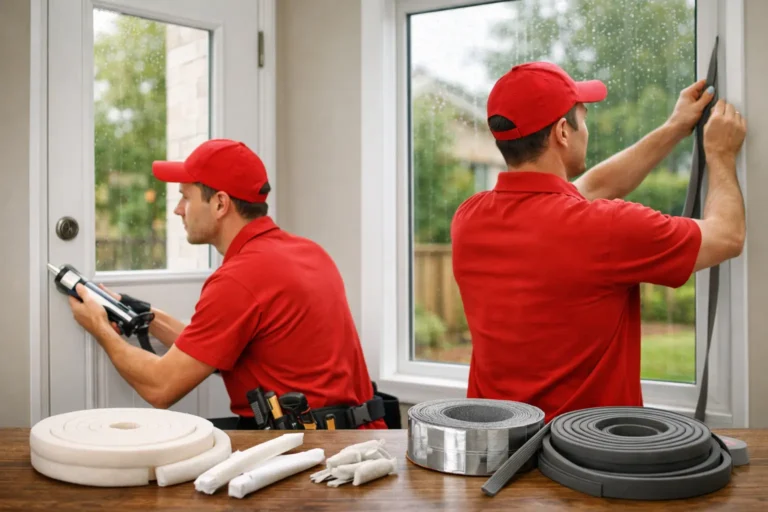

A dripping faucet, loose stair rail, damaged drywall, or aging shower can look like a small problem until it starts affecting daily life. The question, “how much do home repairs cost?” is usually less about finding one universal answer and more about understanding what work your home actually needs. A clear scope, quality materials, and professional workmanship make the biggest difference in avoiding surprises.
For Knoxville-area homeowners, the most useful approach is to look beyond the visible issue. A repair may be straightforward, or it may reveal moisture damage, aging components, code-related concerns, or a previous shortcut that needs to be corrected. Knowing what drives the total helps you plan confidently and choose the right level of help.
How Much Do Home Repairs Cost? It Depends on the Scope
Home repair costs vary because homes, materials, and repair conditions vary. Replacing a worn piece of trim is different from repairing trim that has been affected by a leaking window. Tightening a loose fixture is different from opening a wall to address the reason it became loose in the first place.
The first step is identifying whether the job is a simple repair, a maintenance item, or part of a larger improvement. Small tasks are often completed efficiently when they are clearly defined and accessible. Larger projects require more planning, materials, protection for surrounding surfaces, and sometimes coordination with specialized trades.
The condition of the home also matters. Older homes may have layers of past repairs, outdated materials, or conditions that are not visible until work begins. That does not mean every repair becomes complicated. It does mean a dependable professional should explain what they find and discuss practical options before moving forward.
The Main Factors That Affect Repair Costs
A written estimate should reflect the real work required, not just the item that first caught your attention. These are the factors that most often shape a home repair project.
- Labor and skill level: A basic adjustment may require only a short visit, while finish carpentry, tile repair, drywall matching, or detailed bathroom work calls for more time and specialized experience.
- Materials and product quality: Homeowners can choose practical, durable, or premium materials depending on the room and their long-term plans. Matching existing flooring, paint, trim, tile, or fixtures can also affect the work involved.
- Access to the repair area: A problem in an open, easy-to-reach area is generally simpler to address than one behind cabinets, inside a ceiling, under flooring, or in a tight crawlspace.
- Hidden damage: Water intrusion, rot, mold concerns, pest damage, or weakened framing may only become apparent after the affected area is opened. Addressing the source of the damage is usually more valuable than covering up the symptom.
- Project complexity and preparation: Protecting finished surfaces, moving fixtures, removing damaged materials, completing cleanup, and restoring the area properly are all part of a professional repair.
A repair is not always best judged by the size of the damaged spot. The real question is what it takes to restore the area safely, functionally, and in a way that looks appropriate for your home.
Small Repairs Can Be a Smart Way to Prevent Bigger Problems
Homeowners sometimes postpone minor issues because the problem seems manageable. That can work for a while, but some repairs become more involved when moisture, movement, or daily wear continues unchecked.
A loose handrail can become a safety concern. A slow leak can damage cabinetry, flooring, drywall, and framing. Cracked caulk around a shower may allow water behind finished surfaces. A door that no longer closes correctly may point to settling, hinge wear, moisture changes, or damage around the frame.
Taking care of these items early is not about chasing perfection. It is about protecting the parts of your home that are harder and more disruptive to repair later. A seasonal walk-through of bathrooms, kitchens, exterior trim, windows, doors, and decks can help you catch concerns before they spread.
Repair, Replace, or Improve?
The lowest-cost option is not always the best value. If an item can be repaired reliably and still fits your needs, repair is often a sensible choice. If the same item has required repeated attention, has widespread damage, or no longer performs well, replacement may be the more practical decision.
For example, a small section of damaged drywall can often be repaired and blended into the surrounding wall. But if the damage was caused by a plumbing leak, the leak and any affected materials need attention first. Repainting a peeling exterior board may improve appearance temporarily, while repairing the moisture issue and replacing compromised wood protects the home more effectively.
Improvements can also make sense when a repair opens up an opportunity. If a bathroom wall must be repaired, it may be a good time to update a fixture, improve storage, or refresh worn finishes. That choice depends on your budget, how long you plan to stay in the home, and whether the added work solves a real need.
How to Get a More Useful Repair Estimate
A good estimate starts with good information. Before scheduling a visit, take clear photos, note when the issue began, and describe any changes you have noticed. For water-related problems, mention whether the issue appears after rain, during appliance use, or at a particular time of day.
During the walkthrough, be clear about your priority. Do you need a safe, functional repair? Are you trying to match an existing finish? Is this part of a future renovation plan? Those answers help determine the right scope and prevent a mismatch between expectations and the finished work.
It also helps to ask what is included in the proposed work. A clear scope should address the repair area, expected materials, preparation, cleanup, and any conditions that could require a conversation once work begins. This is particularly useful for repairs involving water damage, tile, flooring, exterior wood, and older homes.
Be cautious about choosing solely based on the quickest promise or the simplest description of the job. A professional should be willing to explain the likely cause, the recommended repair, and any limits of what can be confirmed before opening the area. Licensed and insured service gives homeowners added confidence that the work is being approached responsibly.
Plan Repairs Around Urgency, Not Just Appearance
When several projects are competing for attention, start with safety, water, and structural concerns. A damaged step, loose railing, active leak, electrical concern, or deteriorated exterior area deserves prompt attention. Next, focus on issues that can cause secondary damage, such as failing caulk, poor drainage, damaged flashing, or a door that no longer seals correctly.
Cosmetic updates still matter, especially when they improve how a home functions or feels. But separating urgent repairs from planned improvements can make decisions easier. It gives you room to schedule work thoughtfully rather than reacting after a small issue becomes an emergency.
Combining related tasks can also be more convenient than scheduling separate visits. If you have several minor repairs in the same area of the home, documenting them together helps create a more efficient plan. The key is to combine work that naturally fits together without delaying a problem that needs immediate attention.
Choose Workmanship That Protects Your Home
A quality repair should do more than make a problem less noticeable. It should address the cause when possible, use suitable materials, and leave the area clean and functional. That is especially true in high-use spaces such as kitchens, bathrooms, entryways, decks, and stairways.
Smart Home Fix approaches residential work with that practical standard: understand the issue, recommend an appropriate solution, and complete the job with professional care. Whether the task is a focused repair or part of a broader home improvement project, homeowners deserve clear communication and dependable execution.
The best time to address a repair is usually when you can still choose the solution, rather than when the problem forces one. Start with the concern you can see, ask what may be happening behind it, and make a plan that keeps your home safe, comfortable, and ready for the years ahead.