
A bathroom update starts small. Maybe it is new tile, a better vanity, and brighter lighting. Then you find soft subfloor, outdated plumbing, or a wall that needs to move. That is where the question gets real: should you hire a handyman or contractor for remodel work?
For many homeowners, the answer is not as simple as picking the bigger title. Some remodel projects are mostly finish work and repairs. Others involve structural changes, major systems, permits, and multiple trades. Choosing the right kind of help matters because it affects scheduling, workmanship, safety, and how smoothly the job moves from idea to finished space.
How to decide on a handyman or contractor for remodel work
The easiest way to look at it is this: a handyman is often the right fit for smaller, straightforward improvement projects, while a contractor is usually the better choice for complex remodels with moving parts. The gray area sits in the middle, and that is where homeowners often need the most guidance.
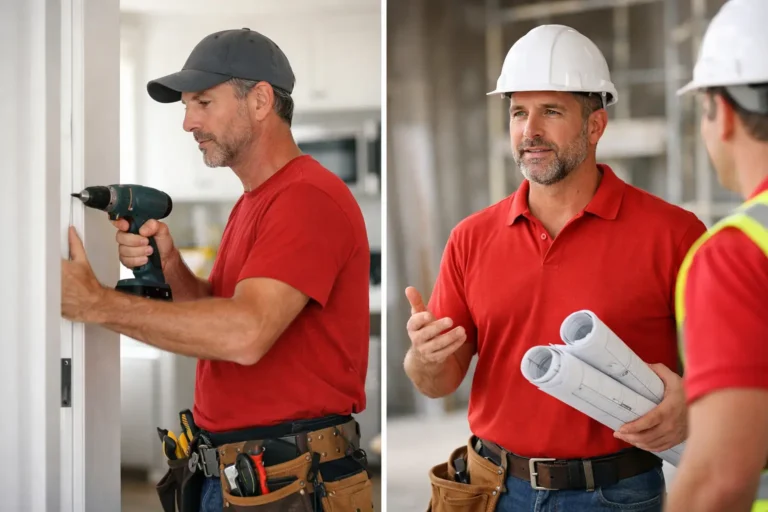
A skilled handyman can handle a wide range of remodeling tasks when the scope is controlled and the work does not require major design coordination or extensive subcontracting. Think drywall repair after a layout change, trim installation, fixture replacement, painting, door replacement, shelving, backsplash work, or refreshing a dated room without changing the bones of the house.
A contractor is typically brought in when the remodel is larger in scope or more technical in execution. If walls are coming down, plumbing lines are being relocated, electrical work is extensive, or permits are involved, a contractor usually makes more sense. The same goes for remodels that require several specialists working in sequence and someone to manage the full process.
The smart decision is less about labels and more about project demands.
When a handyman makes sense
Many remodel goals do not require a full construction operation. If your project is mostly cosmetic or focused on replacing existing elements without reworking the structure of the space, a handyman can be a practical and efficient choice.
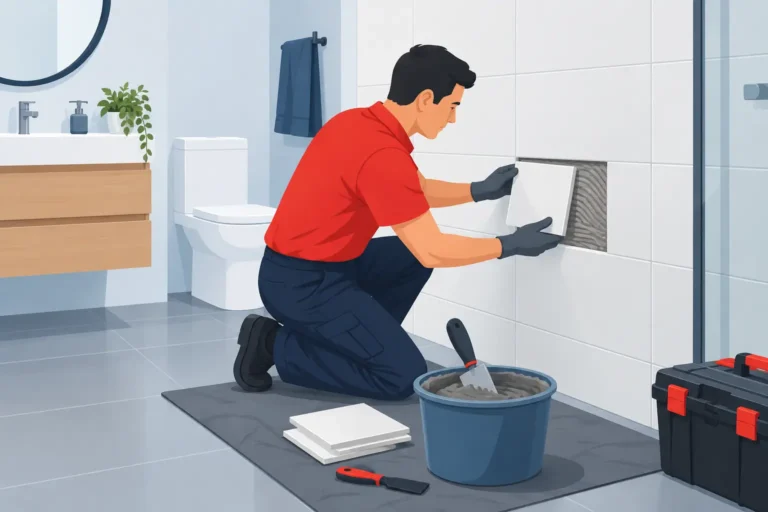
That might include updating a guest bathroom without changing the layout, installing new hardware and fixtures in a kitchen, replacing damaged trim, patching walls, hanging doors, installing new flooring in a single room, or tackling a punch list after another phase of work is complete. These are the kinds of jobs where versatility matters.
A good handyman is especially helpful when your remodel is really a collection of smaller tasks. Homeowners often reach a point where one room needs paint touch-ups, another needs new shelving, and a third needs finish carpentry. Hiring one dependable professional to handle several related items can make life easier and keep the project from dragging out.
This is also where experience matters more than job title. A licensed and insured handyman with broad residential repair and improvement experience can often complete smaller remodel tasks with excellent results, especially when the work stays within a clear and manageable scope.
When a contractor is the better fit
Some remodels outgrow handyman territory quickly. If your plans involve changing the footprint of a room, opening walls, moving plumbing, rewiring major sections, or handling inspections and permits, a contractor is generally the right call.
Kitchen remodels are a common example. Replacing cabinets, relocating appliances, adding lighting, and updating plumbing all at once creates a chain of dependencies. One delay affects everything else. A contractor is better positioned to coordinate trades, keep the sequence organized, and manage the broader scope.
The same is true for additions, garage conversions, full bathroom gut jobs, or whole-home remodels. These projects usually require a higher level of oversight and a more formal construction process. When the stakes are higher, it helps to have someone whose role is to manage complexity, not just complete individual tasks.
That does not mean every contractor-led project is automatically better. It means the project itself demands more structure.
The permit question matters
One of the clearest dividing lines is permitting. If the remodel requires permits, inspections, or code-driven changes, you need to make sure the person leading the work is equipped for that responsibility.
Homeowners sometimes underestimate this part. A project can look simple on the surface but still trigger permit requirements, especially when electrical, plumbing, or structural work is involved. That is why it is worth asking about permits early, before demolition starts or materials are ordered.
Coordination changes everything
A remodel gets more complicated when several trades need to work in order. For example, demo may need to happen before framing, which must happen before rough-in work, which comes before drywall, tile, trim, and finish installation. If no one is managing that sequence, delays and mistakes become more likely.
For a project with that many moving parts, a contractor often brings the right level of oversight.
The middle ground: not every remodel fits neatly into one box
This is where many homeowners get stuck. They are not planning a whole-house renovation, but they are doing more than a few simple updates. Maybe they want to refresh a bathroom, replace a tub with a shower, install new flooring, update lighting, and repair water-damaged drywall. Is that handyman work or contractor work?
Sometimes it can go either way, depending on scope, timeline, and who is doing the work. A highly capable home improvement company with handyman versatility and renovation experience can often handle projects that sit between a basic repair list and a major construction remodel. That can be a strong option for homeowners who want one trusted team instead of juggling multiple specialists.
In practical terms, the right fit often comes down to three questions: Is the layout changing? Are permits required? How many trades need to be coordinated? The more often you answer yes, the more likely you need a contractor-led approach.
What to ask before you hire anyone
The best hiring decisions start with a clear conversation. Instead of asking only, “Are you a handyman or a contractor?” ask what kinds of remodel projects they handle regularly, whether they are licensed and insured, and how they determine if a project is the right fit.
You should also ask how they handle scope changes. Remodels have a way of revealing hidden issues once work begins. Rotten wood behind a shower wall or damage beneath old flooring can shift the job quickly. You want someone who can explain what happens next, not someone who disappears when the project gets complicated.
It also helps to ask who will actually be doing the work. Some companies estimate the job but send rotating crews. Others provide a more direct relationship from start to finish. For many homeowners, especially those balancing work and family schedules, clear communication is just as important as technical ability.
Why homeowners often prefer one trusted team
Most people are not looking to manage a remodel like a second job. They want reliable help, solid workmanship, and a process that feels organized. That is one reason homeowners often gravitate toward a company that can handle both repair-level work and more involved improvement projects.
A broad-service provider can be especially valuable when a remodel starts with one plan and grows into another. What begins as replacing a shower door can lead to tile repair, fixture updates, drywall work, and painting. In that situation, having a team that can adapt without turning the process into a scheduling puzzle is a real advantage.
For homeowners in the Knoxville area, that kind of flexibility matters. Houses age, priorities shift, and home improvement projects rarely stay as tidy as they look on paper. Working with trusted local experts who are licensed and insured helps reduce uncertainty from the start.
Smart Home Fix was built around that reality – helping homeowners with everything from everyday repairs to larger residential improvements through dependable, professional service.
The better question is what your remodel needs
If you are choosing between a handyman or contractor for remodel work, do not start with the title. Start with the scope. A smaller, self-contained update may be perfectly suited to a skilled handyman. A larger remodel with permits, system changes, or multiple phases usually calls for a contractor.
And if your project sits somewhere in the middle, look for a provider who can evaluate it honestly, explain the trade-offs, and handle the work with the right level of experience. The best hire is the one that matches your home, your project, and the amount of complexity involved.
A good remodel should leave you with more than a better-looking room. It should leave you feeling like the process was handled by someone who respected your home, your time, and the fact that getting help should make your life easier.