A loose porch rail, a bathroom leak, or a wall that needs repair can feel like a small problem until the work goes wrong. Does a licensed and insured handyman matter? For most homeowners, the answer is yes. Credentials do not guarantee a perfect project, but they create a much stronger foundation for responsible work, clear accountability, and protection if the unexpected happens.
For Knoxville-area homeowners, hiring help should make life easier, not add another concern. A qualified professional brings more than tools and experience to the job. They bring a business-minded approach to your home, your schedule, and the work that needs to be completed safely.
Why a Licensed and Insured Handyman Matters
The phrase “licensed and insured” gets used often, but the two terms protect homeowners in different ways. Understanding the difference can help you ask better questions before anyone starts work in your home.
Licensing generally shows that a contractor or service provider has met applicable requirements for the type and scope of work they perform. Those requirements can vary based on the project, the location, and whether the job involves specialized trades, permits, or larger renovation work. A reputable handyman should be straightforward about what work they are qualified to handle and when a project requires additional trade-specific licensing or permitting.
Insurance is about what happens when something does not go as planned. Accidents are not the expectation, but homes can present surprises. A pipe may be hidden behind a wall. A ladder can damage a surface. Materials can be affected during a repair. Liability coverage helps protect both the homeowner and the service provider if covered property damage or injury occurs during the project.
Together, licensing and insurance signal professionalism. They show that the person working in your home treats the work as a real business responsibility, not a casual side job.
Insurance Protects More Than the Repair
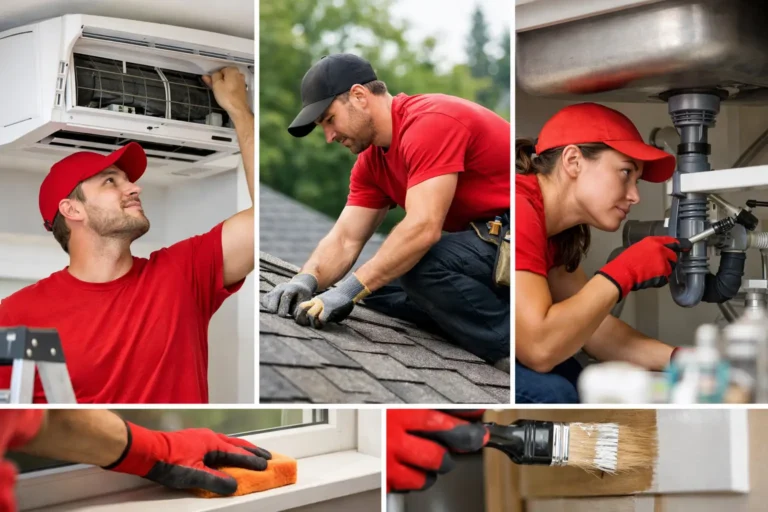
Many homeowners assume insurance only matters on major renovation projects. In reality, even routine repairs involve risk. Replacing a fixture, repairing drywall, mounting a television, fixing a fence, or addressing water damage can affect surrounding finishes, wiring, plumbing, and personal property.
Without appropriate insurance, a homeowner may be left sorting out who is responsible if damage or an injury occurs. That can turn a straightforward repair into a stressful dispute. Working with an insured handyman adds an important layer of confidence because the business has prepared for the responsibilities that come with entering and working in someone else’s home.
Insurance also reflects the way a company approaches its customers. Reliable home service providers plan carefully, communicate clearly, and take reasonable steps to protect the space where they are working. Coverage is one part of that commitment.
That said, homeowners should not assume every policy covers every situation. It is reasonable to ask what insurance the company carries and request current proof of coverage when the scope of work makes it appropriate. A professional should be comfortable answering that question.
Licensing Helps Define the Right Scope of Work
Not every home task requires the same credentials. Hanging shelves and replacing damaged trim are different from work that affects electrical systems, plumbing lines, structural components, or permitted renovations. The right handyman recognizes those boundaries.
This is where licensing matters beyond the paperwork. A trusted professional does not overpromise simply to win a job. They assess the project, explain what is involved, and identify when specialized work or permits may be needed. That protects your home from shortcuts that can create safety issues, code concerns, or complications later when you sell or renovate.
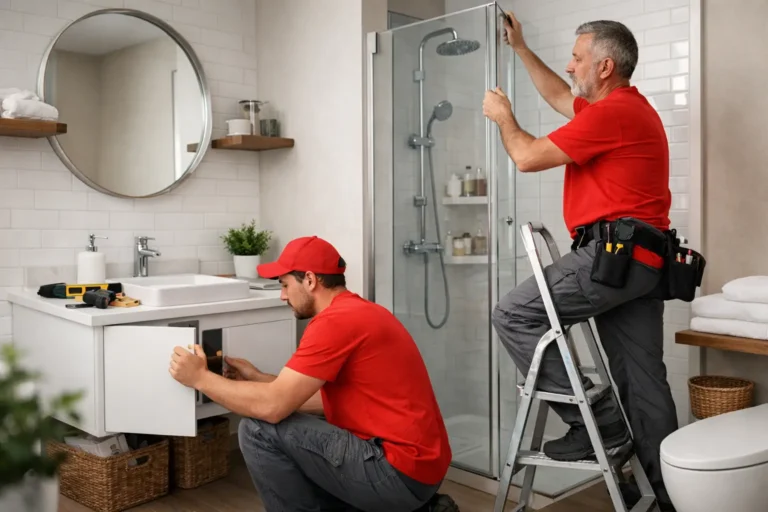
For example, a handyman may be well suited to complete repairs around a bathroom, install accessories, repair walls, or coordinate finish work. If the project involves moving plumbing, altering electrical circuits, or changing a structural element, the scope may require a properly licensed trade professional or permit process. The details depend on the job, but honest guidance should always come first.
Credentials Are Not the Only Thing to Check
A license and insurance matter, but they should be part of a larger hiring decision. Homeowners still deserve clear communication, dependable scheduling, quality workmanship, and respect for their property.
Before hiring a handyman, have a practical conversation about the work. A reliable provider should be able to explain the expected scope in plain language, identify potential concerns, and let you know what preparation is helpful before the appointment. If the project has unknowns, such as concealed water damage or aging materials, they should explain how those discoveries will be handled.
It is also useful to ask about experience with the specific type of repair or improvement you need. A broad-service handyman can be an excellent choice for maintenance lists, repairs, installations, and many home upgrades. For highly specialized work, the best answer may be a specialist. Good professionals help homeowners make that distinction rather than forcing every job into the same service category.
Look for these signs of a dependable provider:
- They can clearly describe their qualifications and the kind of work they perform.
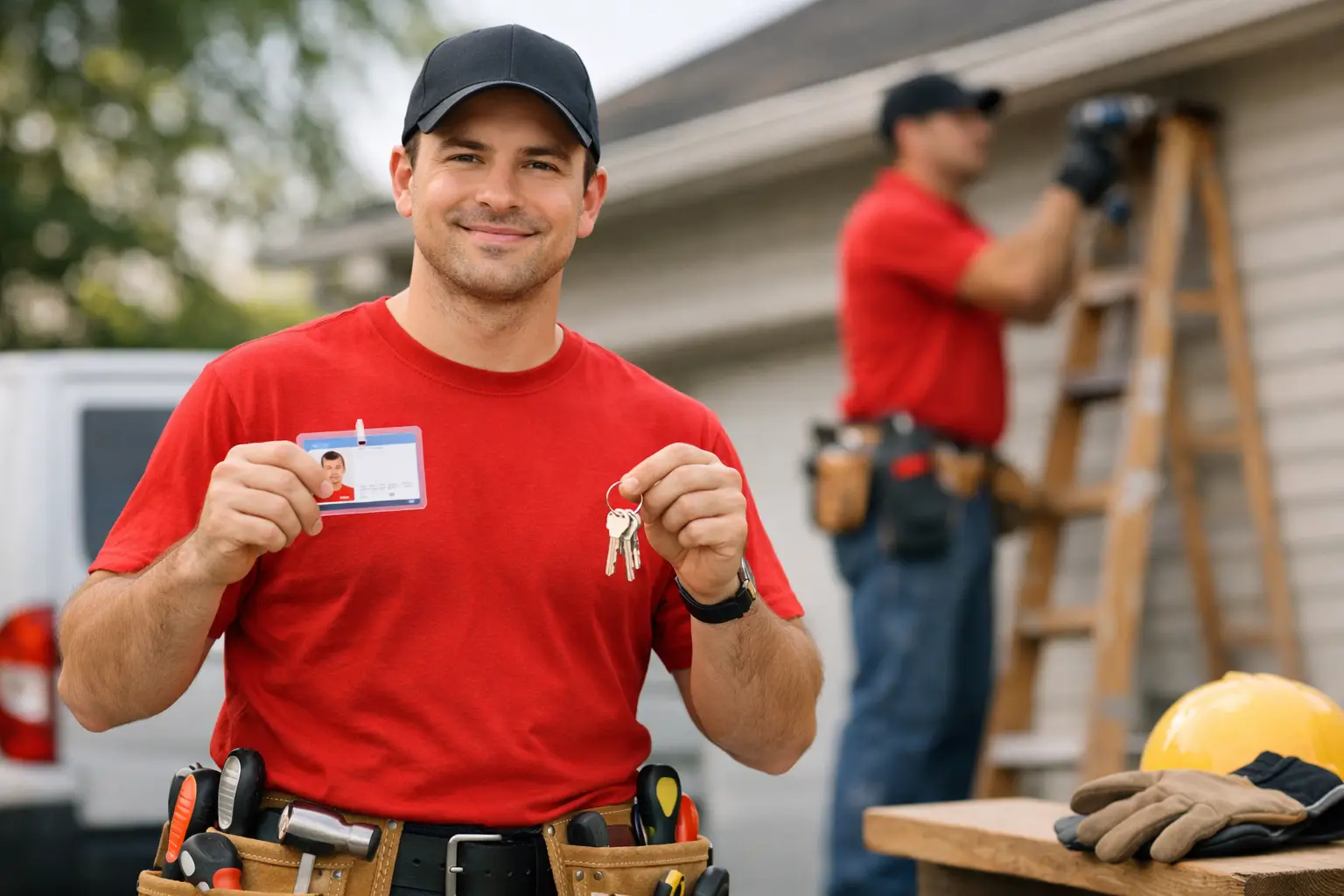
- They are willing to provide proof of insurance when requested.
- They communicate promptly and set realistic expectations for the project.
- They keep the work area organized and treat your home with care.
- They explain when permits, inspections, or licensed specialty trades may be required.
These basics may sound simple, but they often separate a professional service experience from an avoidable headache.
When It Matters Most
The need for a licensed and insured handyman becomes especially clear when a project has the potential to affect more than one surface or system. Water-related repairs are a common example. A small leak can involve drywall, flooring, cabinets, trim, and possible mold concerns. An experienced professional can help identify the visible repair needs while recognizing when the underlying issue needs further attention.
The same is true for projects involving ladders, heavy materials, exterior repairs, or work in occupied areas of the home. Families, pets, visitors, and neighboring properties all add considerations that deserve care. Insurance and professional practices are not just formalities in these situations. They support safer decision-making from the beginning.
Larger improvement projects also benefit from a properly qualified provider. When several tasks need to happen in sequence, such as repairs followed by updates and finishing work, coordination matters. A company that understands project scope can help keep the work moving without losing sight of quality or homeowner comfort.
A Local Professional Relationship Makes a Difference
Home repairs are rarely one-and-done. The same homeowner who needs a door repaired this month may need drywall work, updated fixtures, a shower improvement, or a longer maintenance list later in the year. Building a relationship with a dependable local handyman gives you a familiar point of contact when new needs arise.
Smart Home Fix approaches residential work with that long-term perspective. The goal is not simply to complete a task and leave. It is to provide capable, efficient help that homeowners can feel comfortable calling again, whether the job is a quick repair or part of a more involved improvement plan.
A licensed and insured provider also has a reason to protect their local reputation. In communities such as Knoxville, Farragut, Karns, Oak Ridge, and Concord, dependable service travels by word of mouth. Showing up prepared, communicating clearly, and standing behind the work are the habits that earn repeat trust.
Ask Before the Work Begins
You do not need to become an expert in licensing or insurance to hire confidently. Start with a direct question: Are you licensed and insured for the work I need done? Then listen for a clear, specific answer.
If a provider avoids the question, cannot explain their qualifications, or pressures you to move ahead without discussing the project scope, consider that useful information. Your home deserves someone who respects both the work and the responsibility that comes with it.
The right handyman should leave you feeling informed before the first tool comes out. That peace of mind is often just as valuable as the repair itself.